Introducing your child to yoga is one of the simplest and most impactful ways to support their physical and emotional development. Practicing Yoga Poses for Kids improves strength, flexibility, focus, and stress relief — all while keeping exercise fun, creative, and relaxing. Children naturally enjoy movement, and yoga helps them explore their bodies, calm their minds, and build healthy habits that can stay with them for life.
This guide will walk you through the best kid-friendly yoga poses, how to perform them safely, the benefits they offer, and fun activities to keep children excited about yoga every day.
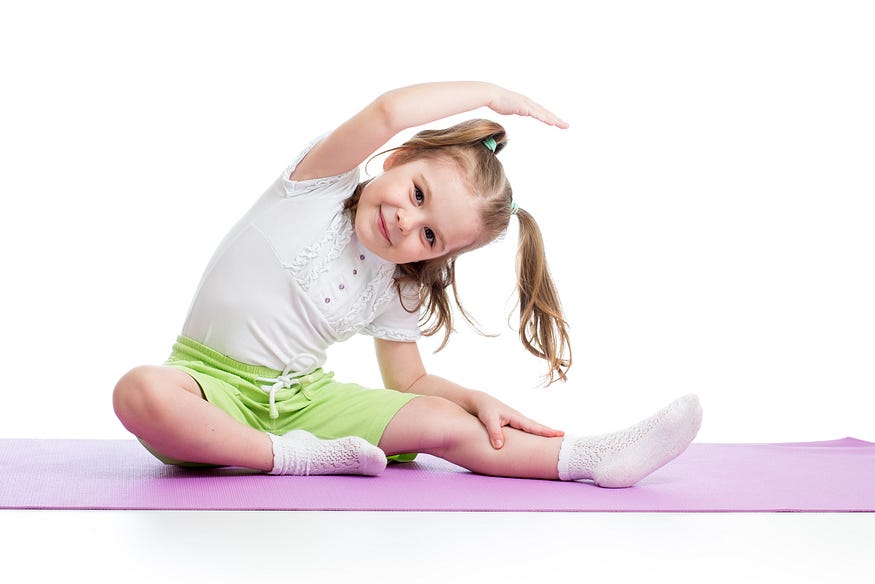
The Importance of Yoga for Kids
Yoga is more than stretching — it is a complete mind-body practice that helps children build physical awareness and emotional resilience. As kids spend more time on screens and experience academic pressure, yoga becomes essential to balance their daily routine.
Key benefits of yoga for kids:
1. Improves Focus & Concentration
Breathing exercises and balancing poses help children develop mindfulness, which increases attention span and improves academic performance.
2. Boosts Flexibility & Strength
Regular practice keeps their muscles flexible, joints mobile, and overall body strong — supporting growth and posture.
3. Enhances Emotional Well-Being
Yoga teaches kids how to calm themselves, recognize emotions, and reduce stress or anxiety.
4. Encourages Discipline & Self-Control
Holding poses, syncing breath, and practicing mindfulness builds patience and discipline naturally.
5. Supports Better Sleep
Relaxation poses and breathing help regulate the nervous system and improve sleep quality.
6. Builds Confidence & Body Awareness
Kids learn to appreciate their bodies, improve posture, and build a positive self-image.
7. Fun Way to Stay Active
Yoga brings creativity, playfulness, and imagination into exercise — making it enjoyable rather than a “routine.”
Best Yoga Poses for Kids (With Steps and Benefits)
Each pose below is chosen for being safe, easy, and engaging for children of all ages.
1. Mountain Pose (Tadasana)
How Kids Should Do It:
- Stand tall with feet together
- Keep shoulders relaxed
- Raise arms overhead
- Take slow, deep breaths
Benefits:
- Improves posture
- Enhances balance
- Helps children feel grounded and confident
2. Tree Pose (Vrikshasana)
How to Do:
- Stand on one leg
- Place the other foot on the standing leg (ankle or calf)
- Bring palms together in “namaste”
- Hold for 10–12 seconds
- Repeat on the other side
Benefits:
- Boosts concentration
- Improves sense of balance
- Enhances coordination
3. Butterfly Pose (Baddha Konasana)
Steps:
- Sit with legs bent, feet touching
- Hold the feet and move knees up and down like wings
- Keep the spine straight
Benefits:
- Increases hip flexibility
- Relaxes lower body muscles
- Great for calming restless energy
4. Cat–Cow Pose (Marjaryasana–Bitilasana)
Steps:
- Come onto hands and knees
- Arch back upward (Cat Pose)
- Dip back downward (Cow Pose)
- Repeat slowly with breath
Benefits:
- Strengthens spine
- Improves breathing
- Helps children release tension
5. Cobra Pose (Bhujangasana)
How to Perform:
- Lie on stomach
- Place hands under shoulders
- Lift chest while keeping elbows bent
- Look upward gently
Benefits:
- Strengthens back muscles
- Opens chest and improves breathing
- Builds confidence and energy
6. Child’s Pose (Balasana)
Steps:
- Sit on knees
- Fold forward and place forehead on floor
- Stretch arms forward
Benefits:
- Excellent relaxation pose
- Reduces stress
- Helps emotional regulation
7. Downward Facing Dog (Adho Mukha Svanasana)
Steps:
- Form an inverted V shape
- Hands shoulder-width apart
- Legs straight
- Heels slightly lifted
Benefits:
- Strengthens arms and legs
- Stretches hamstrings
- Energizes the whole body
8. Happy Baby Pose (Ananda Balasana)
How Kids Do It:
- Lie on back
- Hold feet with hands
- Rock gently from side to side
Benefits:
- Improves flexibility
- Relieves stress
- Super fun and relaxing for kids
9. Boat Pose (Navasana) – Kid Version
Steps:
- Sit with knees bent
- Lift feet off the floor
- Keep hands on knees or extend arms
Benefits:
- Strengthens core
- Improves balance
- Encourages body awareness
10. Shavasana (Relaxation Pose)
Steps:
- Lie down flat
- Close eyes
- Take deep breaths
- Relax each body part
Benefits:
- Helps children calm their mind
- Improves sleep
- Builds mindfulness
How to Make Yoga Fun for Kids
Kids enjoy yoga when it feels like a game, story, or adventure.
Fun ideas:
- Turn poses into animal imitations (cat, cow, cobra, butterfly).
- Create a yoga story where each posture represents a character.
- Play calming background music.
- Add colorful mats, props, or toys.
- Practice yoga outdoors — garden, park, or balcony.
Tips for Parents and Teachers
- Keep sessions short (10–20 minutes).
- Avoid forcing a child into flexibility.
- Encourage slow breathing.
- Always demonstrate poses visually.
- Celebrate participation — not perfection.
- Make it playful, not competitive.
Safety Guidelines for Kids Practicing Yoga
- Avoid tough poses like headstands or deep backbends.
- Never push or correct forcefully.
- Use a soft mat or carpet.
- Ensure the room is clutter-free.
- Hydrate the child before and after.
Conclusion
Yoga offers children a powerful foundation for physical, emotional, and mental well-being. The right Yoga Poses for Kids help improve flexibility, strength, focus, and mindfulness — all while keeping the experience joyful and engaging. Whether your child is active, shy, playful, or energetic, yoga gives them a safe space to express themselves and develop lifelong healthy habits.
If you introduce yoga slowly and creatively, your child will not only enjoy it but also look forward to each session.