If you’ve gone a couple of days without a bowel movement and are wondering Have You Not Pooped Since a Couple of Days? Try Natural Remedies, you’re not alone—and the good news is, there are effective, safe and natural steps you can take right at home. In this detailed guide we’ll walk through why constipation happens, what natural remedies really work (with the science behind them), how to apply them, when to see a doctor—and most importantly, how to build habits that keep things moving smoothly.
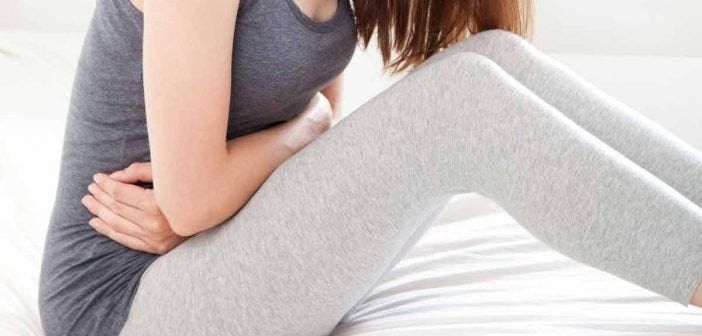
Have You Not Pooped Since a Couple of Days? Try Natural Remedies
1. What’s Going On & Why It Matters
When you haven’t had a bowel movement for a couple of days, your system is telling you: transit through the colon has slowed down. While everyone’s “normal” varies, many experts define constipation as having fewer than three bowel movements per week, or stools that are hard, dry and difficult to pass.
Why it matters: Stool that stays too long in the colon may become drier, harder and more difficult to evacuate; the urge to go may diminish; and discomfort, bloating or even complications (like haemorrhoids) can occur.
Common contributing factors include:
- Low dietary fibre intake
- Inadequate fluid intake or dehydration
- Sedentary lifestyle/low physical movement
- Ignoring the urge to go or irregular toilet habits
- Certain medications, changes in diet, travel, stress or gut motility issues
So if you’re thinking “I haven’t pooped in a couple of days”, this is a sign to act—and now we’ll look at what you can do naturally.
2. Foundational Natural Remedies to Kick-Start a Bowel Movement
These are the key lifestyle and diet habits you should adopt first—frequently they’re enough to restore regularity.
A) Increase Fibre Intake
Adding fibre helps bulk up stool, retain water, and accelerate movement through the colon.
What to do:
- Add whole grains, legumes, fruits (especially pears, apples, berries), vegetables, seeds such as chia or flax.
- Increase gradually (if you jump too fast, you could cause gas or discomfort).
- Prioritise both soluble (oats, beans) and insoluble fibre (vegetable skins, whole grain).
B) Stay Well-Hydrated
Fluid helps soften stool and promote easier passage.
What to do:
- Drink at least 8 glasses of water per day (or more depending on your body size/activity).
- Warm water in the morning can help “wake up” your digestive system.
C) Move Your Body
Physical activity stimulates gut motility (muscles in your intestines respond to movement).
What to do:
- Go for a brisk 20-30 minute walk daily.
- After meals, take a short walk—this helps stimulate the “gastro-colic” reflex (your gut’s signal to move).
- Simple stretching, yoga poses or even standing breaks if you’re sedentary.
D) Establish a Regular Toilet Routine
Your body thrives on consistent cues.
What to do:
- Try to sit on the toilet 15-45 minutes after a meal, when your colon is usually more active.
- Consider using a small stool under your feet so your knees are above your hips; this squat-like position helps align your rectum and ease passage.
- Don’t ignore the urge to go—delaying often worsens the situation.
3. Targeted Natural Remedies for When You’re Stuck
If the foundational habits above aren’t enough, there are specific natural tricks you can try. Always check with your healthcare professional if conditions persist.
A) Warm Lemon Water or Olive Oil
- A glass of warm water with half a lemon (especially first thing in the morning) may help stimulate your digestive system.
- A teaspoon of olive oil on an empty stomach may act as a gentle lubricant in the digestive tract.
B) Prunes or Dried Apricots
Prunes are a classic natural laxative due to their fibre and sorbitol content (a sugar alcohol that draws water into the bowel).
What to do: Eat 4-5 prunes or drink ½ cup prune juice in the morning.
C) Natural Teas & Warm Fluids
Warm herbal teas (ginger, fennel) or a warm beverage can stimulate gut motility.
D) Abdominal Massage & Yoga Poses
Gentle massaging of your abdomen or trying yoga poses like “wind-relieving” pose, or using a squat position on the toilet can ease stool passage.
4. How to Build a Short-Term Action Plan
Here’s a 48-hour “kick-start” plan you can follow if you haven’t pooped in a couple of days.
Day 1 Morning:
- Drink a large glass of warm lemon water.
- Do a 10-minute brisk walk.
- Breakfast: Oatmeal with chia or flax seeds + berries.
Late Morning: - Drink water regularly. Snack: 4 prunes.
Lunch: - Whole-grain sandwich or lentil salad + plenty of vegetables.
Afternoon: - Take a gentle stretch walk.
Evening: - Dinner: Veg stew or mixed grains + steamed veggies.
- After dinner: 15-minute post-meal walk.
Before bed: - Apply mild abdominal massage (warm hand, circular motion) or do a gentle yoga stretch.
Day 2:
- Review: Are you going? If not, add one of the targeted remedies (e.g., prune juice or olive oil teaspoon).
- Maintain high fibre, hydration and movement.
- Evening: Use squat stool on toilet and spend a relaxed 5-10 min attempt after your meal—don’t strain.
5. When You Should See a Doctor
While occasional constipation is common, you need medical attention if you experience:
- No bowel movement for more than a week despite remedies.
- Severe abdominal pain, vomiting or bloating.
- Blood in stool or dark tarry stools.
- Sudden change in bowel habits (especially after age 50).
- Persistent constipation despite good diet/hydration/activity.
6. Mistakes to Avoid
- Relying immediately on laxatives or stimulants without addressing diet and lifestyle—these may cause dependence.
- Increasing fibre too quickly without water—can worsen constipation.
- Straining excessively on the toilet—this may lead to haemorrhoids or prolapse.
- Ignoring the toilet urge—delaying makes it harder for your body to respond.
- Assuming you’re “normal” just because your neighbour only goes twice a week. Frequency varies—what matters is ease and comfort of passage, not just number.
Final Thoughts
If you’re asking “Have you not pooped since a couple of days? Try natural remedies,” you’re taking the right proactive step. Focus first on foundational habits—fibre, fluids, movement, routine—and add targeted remedies if needed. Most people find relief within a day or two with consistent effort. If it continues longer, or if there are added symptoms, do consult a health professional. Your digestive system is resilient—help it along with smart habits and natural support, and you’ll be back to regular, comfortable bowel movements before long.