Fever blisters — also known as cold sores — are a common and sometimes painful condition many people deal with at some point. Knowing what fever blisters are, their symptoms, causes and treatment helps you manage them better, reduce frequency, and ease discomfort. While there’s no permanent cure, a combination of medical treatments and self-care strategies can significantly help.
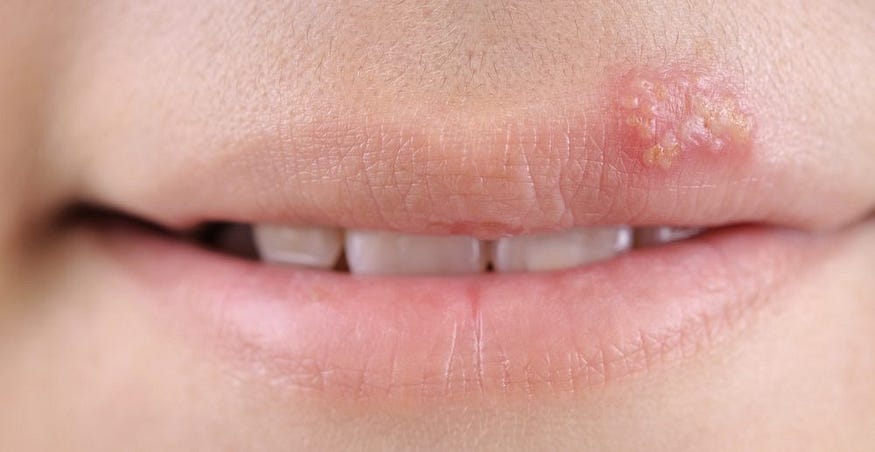
What Are Fever Blisters?
Fever blisters, or cold sores, are fluid-filled blisters that usually appear on or around the lips. They are caused by the herpes simplex virus (HSV), most commonly HSV-1.
Once you’re infected, the virus doesn’t leave your body; it stays dormant in nerve cells and can reactivate with certain triggers like stress or illness.
There’s no cure, but with proper treatment, outbreaks can heal faster and may occur less often.
Symptoms of Fever Blisters
Fever blisters typically go through a few stages:
- Prodrome (Warning Stage)
- Tingling, itching, or burning sensation around the lips before any visible blister appears.
- Blister Formation
- Small, fluid-filled blisters appear, often in clusters near or on the lips.
- Oozing & Crusting
- Blisters may break open, ooze fluid, and then form a crust or scab.
- Healing
- The scab eventually falls off, and the skin returns to its normal state in about 2–3 weeks.
Other symptoms (especially in first-time outbreaks) can include fever, swollen lymph nodes, sore throat, headache, or muscle aches.
What Causes Fever Blisters?
- The main culprit is the Herpes Simplex Virus type 1 (HSV-1).
- Once infected, the virus travels along nerve pathways and remains latent in nerve ganglia, reactivating periodically.
- Triggers for reactivation include:
- Stress
- Sun exposure (UV light)
- Fever or illness
- Hormonal changes (e.g., menstruation)
- A weakened immune system
- It’s important to note that fever blisters are contagious, even when there’s no visible blister.
Treatment Options for Fever Blisters
Medical / Prescription Options
- Antiviral Medications
- Oral antivirals like acyclovir, valacyclovir, or famciclovir help shorten outbreaks when taken early.
- Topical antiviral creams (e.g., acyclovir, penciclovir) are also effective if applied in the early “tingle” phase.
- For frequent or severe outbreaks, suppressive therapy may be recommended to reduce incidence.
- Supportive Measures
- Cold compresses help reduce pain and swelling.
- Over-the-counter pain relievers (e.g., acetaminophen) for discomfort.
- Use lip balm with SPF to prevent sun-triggered recurrences.
Natural & Home Remedies
Many people use complementary remedies to soothe symptoms and possibly speed healing:
- Lemon Balm: Creams or balms containing lemon balm (Melissa officinalis) may help due to antiviral properties.
- Aloe Vera Gel: Applying pure aloe vera to the sore can soothe inflammation and has mild antiviral effects.
- Ice or Cold Packs: Help numb pain; wrap in cloth and apply gently.
- Essential Oils (Diluted):
- Tea Tree Oil: May have antiviral action.
- Licorice Extract: Has been studied for anti-HSV effects.
- Supplements:
- L-Lysine: An amino acid that may help reduce duration.
- Zinc: Topical or oral zinc can support healing and skin repair.
- Stress Management: Since stress is a known trigger, practices like meditation, yoga, or deep-breathing can help.
Prevention Strategies
- Avoid direct contact (kissing, sharing utensils/lip balm) when sores are active.
- Use a lip balm with broad-spectrum SPF, especially before sun exposure.
- Identify and manage your triggers — e.g., stress, lack of sleep, illness — to reduce outbreak frequency.
- Practice good hygiene: don’t pick at blister or scabs, wash your hands frequently.
When to See a Doctor
You should consult a healthcare provider if:
- Your fever blisters last longer than two weeks.
- You experience severe or very frequent outbreaks.
- Blisters appear near or in the eyes.
- You have a weakened immune system (e.g., due to HIV, cancer therapy, etc.).
Final Thoughts
Fever blisters, though common and sometimes recurrent, are manageable once you understand what they are, their symptoms, causes and treatment. Combining medical antivirals with self-care and trigger management gives you your best shot at reducing discomfort and recurrence. If you notice a pattern or have frequent outbreaks, don’t hesitate to talk to a healthcare provider for a tailored treatment plan.