If you’re dealing with hair loss (alopecia) and want a natural, nutrition-based approach, vegetables can play a powerful role. Knowing how to make potent use of vegetables for hair loss means selecting the right greens and colorful plants that support your scalp, hair follicles, and overall growth cycle. With carefully chosen vegetables, you can nourish your body from the inside out — helping to strengthen, thicken, and revive your hair naturally.
Why Vegetables Are Key to Supporting Hair Growth
Vegetables aren’t just filler food: many contain exactly the nutrients your hair needs to stay healthy, especially when you’re experiencing loss.
- Iron & Folate: Essential for healthy red blood cell production — these deliver oxygen to your scalp. Deficiencies often contribute to hair shedding.
- Beta-carotene / Vitamin A: Converts into Vitamin A, which helps maintain scalp health and supports sebum production.
- Vitamin C & Antioxidants: Boost collagen production, reduce oxidative stress, and enhance iron absorption.
- Zinc and Sulfur: Found in cruciferous vegetables; they support keratin production (keratin is the protein that makes up hair).
- Healthy Fats and Biotin: In veggies like avocado — they nourish hair follicles and support hair strength.
Top Vegetables to Use for Hair Loss Support
Here are some of the most powerful vegetables you can include in your diet to help with hair loss:
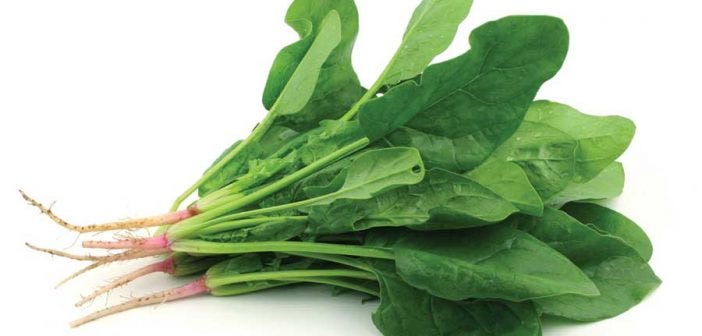
- Spinach
- Nutrients: Rich in iron, folate, and vitamins A & C.
- How to use: Add to smoothies, lightly sauté, or mix into soups.
- Sweet Potatoes
- Nutrients: High in beta-carotene, which converts to vitamin A in your body.
- How to use: Roast, mash, or add in stews.
- Carrots
- Nutrients: Beta-carotene, potassium, and a dose of vitamin C.
- How to use: Eat raw, juice them, or steam them.
- Broccoli
- Nutrients: Vitamin C, sulfur compounds, and copper — great for keratin synthesis.
- How to use: Lightly steam or stir-fry with other veggies.
- Bell Peppers
- Nutrients: Extremely high in vitamin C, which helps collagen production and boosts iron absorption.
- How to use: Use raw in salads, or roast them for a sweet, flavorful side.
- Kale & Other Leafy Greens
- Nutrients: Iron, omega-3s, zinc, and a range of antioxidants.
- How to use: Blend into green smoothies, or cook with garlic for a simple side.
- Pumpkin
- Nutrients: Iron, beta-carotene, vitamin E & C — all helpful for hair strength.
- How to use: Roast as cubes, blend into soups, or get creative with pumpkin puree.
Tips to Use Vegetables Effectively for Hair Loss
- Eat a Variety Every Day: Don’t rely on just one vegetable. Use a mix of leafy greens, root veggies, and colorful peppers to get a broad spectrum of nutrients.
- Pair Iron-Rich Veggies with Vitamin C: Vitamin C boosts the absorption of plant-based iron. Try spinach + bell peppers or carrots + citrus in meals.
- Cook Smart: Steaming or lightly sautéing helps preserve nutrients like vitamin C and beta-carotene.
- Juice or Smoothie: If you find it hard to eat many vegetables, use them in green smoothies or fresh juices — but don’t overdo juice-only diets.
- Supplement Sparingly: While vegetables provide many nutrients, in severe hair loss cases or when deficiencies exist, talk to a doctor or dietician.
- Stay Hydrated and Balanced: Nutrition is just one piece — good sleep, stress management, and gentle hair care are also essential.
Evidence & What Research Says
- According to nutritionists, spinach’s iron helps deliver much-needed oxygen to follicles, and its vitamins support scalp health.
- Research on nutrient-dense vegetables shows they can help combat oxidative stress around hair follicles, which is related to thinning.
- Vegetables high in beta-carotene (like carrots and sweet potatoes) support scalp sebum production, which helps keep hair moisturized and less prone to breakage.
Final Thoughts
Vegetables are more than just side dishes — when used potently, they become powerful allies in fighting hair loss. By understanding how to make potent use of vegetables for hair loss, you can support your scalp, feed your follicles, and build a more resilient base for regrowth. Combine smart nutrition with holistic hair care, and you’re giving your hair a real chance to thrive.