If you’re seeking ways to get some relief from skin problem Vitiligo, you’re not alone—and you’re taking an important step. Vitiligo may not be curable right now, but there are effective strategies, treatments and support practices that can help you manage the condition, protect your skin, reduce spread, and feel more confident in your skin. This comprehensive guide will walk you through what vitiligo is, why it happens, how you can support your skin and yourself—and how to build a well-rounded plan for relief and wellness.
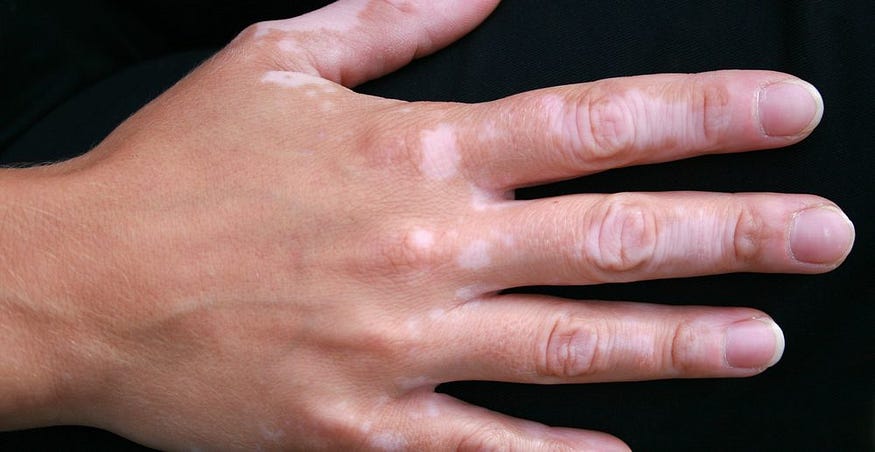
Get Some Relief from Skin Problem Vitiligo
1. Understanding What Vitiligo Is
Vitiligo is a condition in which the skin loses its natural pigment (melanin) in certain patches, resulting in white or lighter-coloured areas.
- The pigment-producing cells (melanocytes) either stop functioning or die off.
- It affects all skin types and races, though it’s more visible in darker skin.
- The condition is not contagious, but it can have cosmetic, psychological and sometimes physical-skin sensitivity consequences.
2. Signs, Symptoms & Typical Patterns
- White or lighter skin patches appear. These can be small or spread to larger areas.
- Hair in the affected area may turn white or grey prematurely.
- The patches may appear symmetrically (both sides of body) in non-segmental vitiligo, or on one side (segmental type) in others.
- Affected areas are more sensitive to sunburn, because melanin offers natural protection, and its absence makes skin more vulnerable.
3. Why Relief Matters — What You Can Do
Although there’s no guaranteed cure for vitiligo, relief can mean:
- Slowing or stabilising the spread of pigment-loss
- Protecting skin (especially the lighter patches) from sun damage
- Improving cosmetic appearance through treatments, camouflage or repigmentation efforts
- Caring for emotional, social and psychological effects of the condition
4. Self-Care & Protection Strategies
Here are some of the most important self-care and lifestyle changes you can adopt to help with relief:
A) Sun Protection & Skin Care
- Always use a broad-spectrum sunscreen (SPF 30 or higher) on areas of skin affected by vitiligo and on the rest of your body. The lack of pigment makes affected skin extra-sensitive.
- Wear protective clothing: hats, long sleeves, sunglasses if in sun-intense environment.
- Avoid tanning beds or artificial UV booths (may trigger spread).
- Moisturise regularly: Keeping the skin barrier healthy helps reduce irritation or trauma (which can cause more spread).
B) Lifestyle & Trigger Management
- Stress is known to trigger or worsen vitiligo—practise stress-management: meditation, gentle exercise, adequate sleep.
- Avoid skin trauma: cuts, burns, friction or strong chemicals may provoke new patches (called the Koebner phenomenon).
- Monitor diet & health: Some studies suggest that people with vitiligo may also have higher incidence of autoimmune thyroid disorders or other conditions—regular health check-ups help.
C) Cosmetic & Camouflage Options
- For many people relief also comes from minimising the visual contrast of patches. Using makeup or self-tanners designed for skin with vitiligo is valid.
- Consider hairstyling or eyebrow-/lash-dye if hair in patches has turned white and affects appearance.
5. Medical & Therapeutic Treatments for Relief
Here are mainstream treatments you should discuss with a dermatologist (relief-oriented rather than “cure-promising”):
- Topical corticosteroids or calcineurin inhibitors: These help reduce immune-attack on melanocytes and may help repigmentation.
- Phototherapy (narrow-band UVB): Controlled UVB light therapy has shown good results in repigmentation for many patients.
- Excimer laser: For small patches, this targeted light treatment can be effective.
- Depigmentation therapy: In extensive vitiligo, some opt to even out skin-tone by depigmenting unaffected skin.
- Skin grafting or melanocyte-transplant therapies: In some special cases, surgical options exist.
- Note: Effectiveness varies by person, skin type, extent of vitiligo and how early treatment begins. No treatment works for everyone.
6. Emotional Well-being & Support
Living with vitiligo often takes an emotional toll: body-image concerns, social stigma or self-esteem challenges are common.
- Seek support groups (online/in-person) to connect with others experiencing the condition.
- Psychological counselling may help in building confidence, especially for younger people, those with visible patches or social anxiety.
- Celebrating your skin and self-identity matters—recognise that vitiligo is a part of you, but does not define your whole worth.
7. What to Expect & Realistic Outcomes
- With early intervention and consistent self-care, some people achieve repigmentation or stability in pigment loss.
- Others may experience minimal change—but relief can still mean living comfortably, protecting skin and managing social/emotional effects.
- Expect gradual timelines: months of therapy and self-care may be needed for visible improvement.
- Stay realistic: Because vitiligo is complex (autoimmune, genetic, environmental influences) the goal is relief, not necessarily full restoration.
8. Mistakes & Things to Avoid
- Avoid using “lightening creams” or un-regulated skin-bleaching products—these may further damage skin or trigger spread.
- Don’t ignore sun-protection—you risk burns and expanded patches.
- Avoid excessive scrubbing, harsh chemical peels or strong irritants on affected skin—skin trauma can worsen vitiligo.
- Don’t delay seeking professional help if you notice new patches or rapid spread. Early action gives more options.
Final Thoughts
To get some relief from skin problem Vitiligo, you’ll want a multi-layered approach: protect your skin diligently, manage lifestyle and triggers, explore medical treatments where appropriate, support your emotional well-being and accept your unique skin journey. Relief doesn’t always mean returning to your original skin colour—but it does mean feeling comfortable, confident and in control of your skin health. With the right care and mindset, vitiligo can be managed—not defined by you.