If you’re searching for effective ways to get rid of dry scalp naturally, you’ve come to the right place. A dry, flaky scalp isn’t just annoying — it can signal moisture imbalance, product overuse, environmental stress or underlying skin issues. In this extensive, user-friendly guide you’ll discover what causes dry scalp, how to treat it with gentle, natural methods, how to prevent it, and what to expect when you care for your scalp the right way.
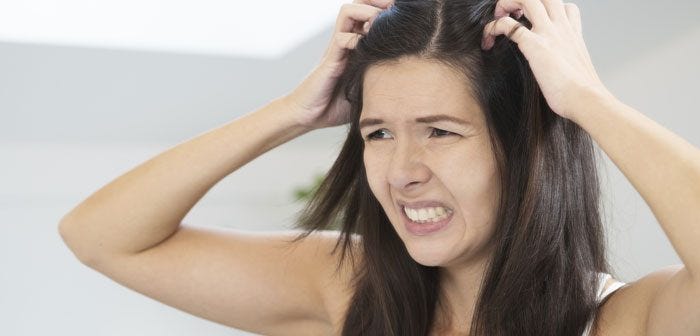
Get Rid of Dry Scalp Naturally: A Comprehensive Guide
1. What Is a Dry Scalp & Why It Happens
A dry scalp occurs when the skin on your head loses more moisture than it’s able to retain, leading to itching, flaking, tightness and sometimes visible dry patches.
It’s different from dandruff in the sense that dry scalp is lack of moisture in the skin, whereas dandruff often stems from excess oil plus a yeast overgrowth.
Common causes include:
- Harsh hair-care products, frequent washing with strong shampoos.
- Environmental factors: low humidity, cold weather, indoor heating that strips moisture.
- Internal factors: poor diet, dehydration, skin conditions such as eczema or psoriasis, hormonal changes.
- Lifestyle & product misuse: too much heat styling, tight hairstyles, leaving shampoo or product residue behind.
Understanding cause is key — because if you only treat the symptom (flaking) but keep using the harsh product or washing too often, the dryness will recur.
2. What to Stop Doing Immediately
To begin healing your scalp, remove or reduce the habits that aggravate dryness:
- Avoid very hot showers or scalp washes — hot water strips natural oils.
- Avoid harsh shampoos with strong sulfates, frequent clarifying shampoos or strong styling products that leave residue.
- Avoid skipping rinsing entirely — leftover shampoo/residue can irritate scalp.
- Avoid styling habits that damage the scalp: tight braids, frequent heat styling, chemical treatments when the scalp is already weak.
By removing these aggravators you give your scalp the chance to recover rather than continuing to be stressed.
3. Natural Remedies & Home Treatments for Dry Scalp
Here’s a detailed breakdown of effective natural treatments you can adopt — with how to use them, for which scalp types, and how often.
A) Pre-wash oil treatment
- Use coconut oil or olive oil warmed slightly. Massage into scalp 10-15 minutes before shampooing.
- How to use: 1–2 Tbsp of oil (depending hair length), warm between palms, apply to scalp and let sit 30 min or overnight if comfortable, then shampoo.
- Frequency: Once or twice weekly for dry or coarse hair; once weekly for normal scalp.
B) Gentle, hydrating shampoo & conditioner
- Use sulfate-free shampoo, ideally one labelled for “dry scalp”, “sensitive scalp” or “moisture replenishing”.
- After washing, use a conditioner focusing on mid-lengths & ends, not so much on scalp, unless your scalp is very dry.
- Rinse with cool to lukewarm water and avoid excessive scrubbing of scalp.
C) Scalp mask or rinse
- Apple cider vinegar rinse (diluted): Helps balance scalp pH and gently exfoliate dry flakes.
- Aloe vera gel: Apply a thin layer of pure aloe vera gel to the scalp, leave 10-15 minutes, rinse. Helps soothe irritation.
- Oil blend mask: Jojoba oil or avocado oil may help restore lipids to the scalp.
D) Lifestyle & internal supports
- Stay well-hydrated (2+ L water per day) so your scalp skin is nourished.
- Eat a diet rich in omega-3 fatty acids, zinc, vitamins A & E to support skin barrier health.
- Protect your scalp from cold/dry conditions and indoor heating by using a humidifier if necessary.
4. Building Your Routine: A Week-by-Week Plan
Week 1: Identify harsh products, switch to gentler shampoo, decrease hot washes, do one oil treatment.
Week 2: Add a scalp mask or aloe vera treatment, start hydration + diet adjustments.
Week 3-4: Maintain 1 oil treatment + 1 mask per week, monitor scalp condition, avoid heat styling.
Month 2+: Scalp should feel less tight, fewer flakes, improved comfort. Continue maintenance 1-2× weekly. Reduce frequency of treatments if improvement stabilises but keep core habits (gentle shampoo, oils, hydration) ongoing.
5. What to Expect: Timeline & Results
- Within 1-2 weeks: You may notice less itchiness, reduced tightness of scalp, fewer large flakes.
- By 4-6 weeks: Visible improvement — flakes much reduced, scalp smoother, less irritation, healthier hair roots.
- After 3+ months of consistent care: Scalp barrier is more resilient, dryness recurs less often, you’ll have a routine you can revert to if dryness returns in seasonal or lifestyle-stress phases.
Remember: if your dry scalp is due to a medical condition (psoriasis, eczema, seborrheic dermatitis) then home remedies may help but won’t replace professional treatment.
6. Mistakes to Avoid & When to See a Doctor
Mistakes to avoid:
- Over-exfoliating the scalp or using strong treatments without reversal support — this can worsen dryness.
- Assuming all flaking = dandruff; if dry scalp issue persists, it may be something else causing it.
- Using heavy oils at scalp when roots are oily — this can create buildup and block roots.
- Neglecting root causes: hydration, diet, environment — only treating surface won’t hold long-term.
When to see a doctor or dermatologist:
- If you have persistent dry scalp despite 4-6 weeks of careful home care.
- If you have red, thick patches, open sores, severe hair loss or signs of infection.
- If you suspect underlying conditions like psoriasis, eczema, or dermatitis.
Final Thoughts
To get rid of dry scalp naturally, you’ll need a thoughtful combination of removing irritants, nourishing your scalp with oil treatments and hydrating routines, adopting supportive lifestyle changes, and being consistent. Your scalp is part of your skin system — treat it with the same care you give your face. With patience and the right approach, you’ll restore comfort, reduce flakes and maintain a healthier scalp that supports better hair growth, less irritation and more confidence.