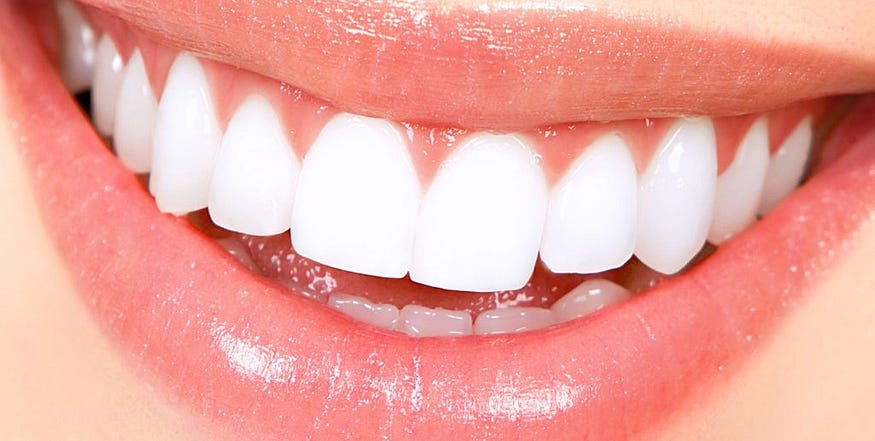
A bright and confident smile has a surprising power to uplift your mood and boost your self-esteem. With these Best Teeth Whitening Home Remedies to Lighten up Your Life, you can brighten your teeth naturally — no costly dental treatments required. From simple kitchen ingredients to age-old oral-care practices, these methods help reduce stains, freshen breath, and support overall oral health.
Why Teeth Lose Their Sparkle
Over time, teeth lose their natural brightness due to several factors:
- Frequent consumption of tea, coffee, cola, dark sodas, red wine, or tobacco that stain enamel.
- Poor oral hygiene or irregular brushing and flossing habits, leading to plaque buildup.
- Aging — enamel can thin out over time, making teeth appear more yellow.
- Acidic or sugary foods and drinks, which can erode enamel and expose the underlying dentin, leading to discoloration.
Understanding these causes helps you pick the right home remedy — and maintain long-lasting results.
Effective Home Remedies for a Brighter Smile
Here are some of the most popular and widely tried natural solutions. Each has pros and cons, so use them wisely and sparingly.
Baking Soda Paste — A Classic for Surface Stains
Why it works: Baking soda acts as a mild abrasive, gently scrubbing off surface stains. It also helps create an alkaline environment in the mouth, which reduces bacteria.
How to use: Mix about 1 teaspoon of baking soda with a little water to form a paste. Brush gently with a soft toothbrush for about 1–2 minutes. Use this paste 1–2 times a week — not daily.
Benefits: Gradually removes stains from coffee, tea or food; helps brighten teeth over time.
Cautions: Overuse can wear down enamel because of its abrasive nature. Also, baking-soda-only cleaning lacks fluoride, which helps protect against cavities — so it shouldn’t fully replace regular fluoride toothpaste.
Oil Pulling with Coconut Oil — Gentle, Traditional Oral Care
Why it works: Coconut oil contains lauric acid, known for its antimicrobial properties. The practice of “oil pulling” — swishing oil around the mouth — can reduce harmful bacteria and plaque, which contribute to discoloration and poor oral hygiene.
How to use: Take 1 tablespoon of coconut oil (cold-pressed preferred), swish in your mouth for 15–20 minutes, then spit it out (do not swallow — and spit into trash, not drain). After that, rinse and brush as usual.
Benefits: Helps improve oral hygiene, reduces plaque and bacteria, can lead to a slightly brighter smile over time.
Cautions: Results tend to be subtle and slow. Oil pulling alone may not produce dramatic whitening — use it as a complementary habit, not a sole solution.
Combined Baking Soda + Hydrogen Peroxide Paste — Mild Bleaching (Use with Care)
Why it works: Hydrogen peroxide is a mild bleaching agent commonly used in whitening products, while baking soda provides gentle abrasion. Together they can be more effective than baking soda alone.
How to use: Mix a small amount of baking soda with a low-concentration hydrogen peroxide (e.g. 3% solution diluted with water) to form a paste. Brush gently — but limit use to once or twice a week at most.
Benefits: Can lighten deeper stains beyond just the surface — useful for people with stubborn discoloration from coffee, tea or smoking.
Cautions: Overuse can lead to enamel erosion, gum irritation, or tooth sensitivity. Always rinse thoroughly and avoid swallowing.
Activated Charcoal — Trendy, but Handle with Caution
Activated charcoal is often touted as a “natural detox” for teeth stains, but evidence is mixed. While it may bind to surface stains and toxins, its abrasiveness and lack of fluoride can pose risks.
How people use it: Wet a toothbrush, dip into activated charcoal powder (or use charcoal toothpaste), brush gently for 1–2 minutes, then rinse thoroughly. Use no more than 1–2 times per week — if at all.
Possible benefits: Might remove surface stains from coffee or tea, give a temporary “cleaner” appearance.
Major cautions: Charcoal is abrasive. Frequent or aggressive use can erode enamel — ironically making teeth appear more yellow as the underlying dentin shows. Also, many charcoal products lack fluoride, which protects teeth against decay.
Because of risks, many dentists discourage regular use of charcoal-based whitening.
Fruit & Natural Paste Remedies — For Mild Whitening with Extra Oral Benefits
Strawberry + Baking Soda Paste
Strawberries contain malic acid, a naturally occurring mild bleaching agent. When combined with baking soda, they can help remove light stains.
How to use: Mash one ripe strawberry, mix with half a teaspoon of baking soda, apply gently to teeth for 3–5 minutes, then rinse and brush. Use 1 time per week at most.
Pros: A milder, more natural alternative than harsh bleaching agents; may offer freshness and mild whitening.
Cons: Effects are subtle; because of combined acidity and abrasion, frequent use may harm enamel.
Turmeric Paste
Turmeric is known for its antimicrobial and anti-inflammatory properties. Some people use turmeric paste as a natural oral-care remedy — though it doesn’t have strong scientific backing for whitening.
How to use: Mix turmeric powder with water or coconut oil to form a paste, apply gently on teeth for a short time, then rinse thoroughly. Use sparingly (1–2 times per week max).
Potential benefits: Maintains oral hygiene, reduces inflammation or gum issues — which in turn helps preserve a healthy, cleaner smile.
Caution: As of now, there isn’t strong scientific evidence that turmeric significantly whitens teeth. It’s more suited as a supplementary oral-health remedy than a whitening champion.
Lifestyle & Daily Habits That Support a Whiter Smile
Remedies alone aren’t enough if daily habits work against you. For best results:
- Limit stain-causing drinks such as tea, coffee, cola, red wine; or rinse your mouth with water after consuming them.
- Brush teeth twice daily with a fluoride toothpaste; floss regularly to avoid plaque buildup.
- Drink plenty of water — helps wash away food particles and reduces acidity in the mouth.
- Eat crunchy fruits and vegetables like apples, carrots — they act like natural toothbrushes, helping scrub off plaque and stained film.
- Visit your dentist regularly: professional cleaning removes hardened plaque/tartar, which home remedies can’t tackle.
What Experts Say — Use with Caution
Natural methods — especially those that use abrasive or acidic substances (like baking soda, charcoal, lemon, vinegar) — can remove surface stains, but they also carry risks. Overuse may damage enamel, increase sensitivity, or irritate gums.
For example:
- Activated charcoal lacks fluoride and may erode enamel if used too frequently.
- Acidic agents (like lemon juice or vinegar) — though often suggested — can weaken enamel over time.
- Combining abrasives + bleaching agents must be done sparingly to avoid long-term damage.
Hence, many dental experts urge caution, advising that home remedies should be occasional — not daily — and ideally supplemented with regular brushing, flossing, and professional dental check-ups.
Final Thoughts — A Balanced, Safe Approach
If you want to lighten up your smile naturally, the Best Teeth Whitening Home Remedies to Lighten up Your Life are useful — but only when used thoughtfully. Choose gentle methods, use them sparingly, and pair them with good oral hygiene and healthy habits.
For most people, a combination of baking soda paste (1–2×/week), oil pulling with coconut oil, and good daily brushing & diet choices offers a safe, gentle boost to teeth brightness. Use more aggressive or abrasive remedies (charcoal, peroxide mixtures) only with caution and limited frequency.
If stains are deep, or if you notice enamel thinning, tooth sensitivity, or gum issues — consider consulting a dentist. A professional cleaning or whitening plan may be a safer, longer-lasting solution than repeated DIY hacks.
Smile bright — but smile safe!