With rising lifestyle-related health issues, many people are looking for gentle, holistic ways to support their body and mind — and yoga emerges as one of the most effective, natural tools. By practicing specific yoga postures for specific disorders, you can help manage chronic pain, improve breathing, stabilize blood pressure and blood sugar, ease joint stiffness, reduce stress, and support mental wellness. This article shows which disorders yoga can support, which asanas and practices are beneficial, and how to practice them safely and effectively.
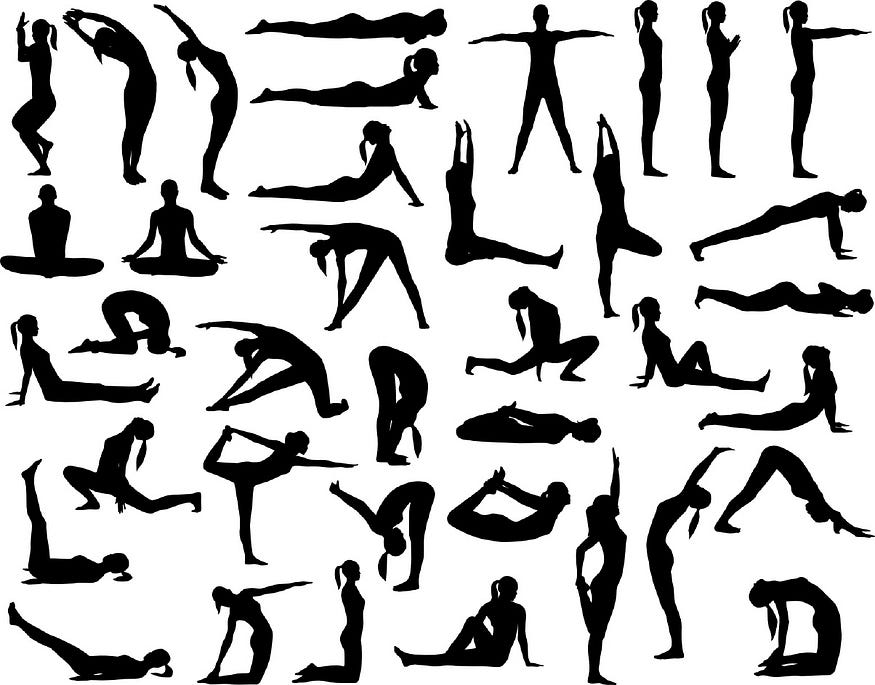
🧘 Why Yoga Works for Disorders — The Science & Benefits
Numerous studies and clinical reviews suggest that yoga — combining asanas (postures), pranayama (breathing exercises), and meditation — can offer real benefits to people with chronic diseases or health conditions.
Key advantages:
- Stress reduction & improved mental health: Yoga helps reduce stress, anxiety, and depressive symptoms by lowering cortisol and promoting relaxation.
- Improved flexibility, strength & joint health: Regular practice helps maintain mobility, reduce stiffness, and relieve chronic pain or discomfort.
- Better respiratory & lung health: For respiratory disorders, yoga improves lung capacity, breathing efficiency, and helps manage symptoms.
- Support for cardiovascular and metabolic health: Yoga can positively influence blood pressure, heart health, and metabolic parameters — helpful in disorders like hypertension, diabetes, and metabolic syndrome.
- Enhanced quality of life for chronic conditions: For people with long-term illnesses or chronic pain, yoga improves mobility, reduces symptoms and side-effects, and supports better overall well-being.
Because yoga is gentle, adaptable, and focuses on mind–body connection, it can be tailored to many health conditions — making it a powerful complementary therapy (not a replacement of medical treatment).
🩺 Disorders Where Yoga Helps — And Recommended Asanas / Practices
Below is a list of common disorders where yoga can aid management, along with some specific postures or practices often recommended. Always consult a medical professional before starting yoga, especially if you have severe health issues.
| Health Condition / Disorder | How Yoga Helps / What improves | Recommended Asanas / Practices |
|---|---|---|
| Respiratory Disorders (e.g. Asthma, Chronic Obstructive Pulmonary Disease – COPD) | Improves lung capacity, breathing efficiency, reduces respiratory distress, enhances oxygenation. | Gentle chest-opening & breathing-focused asanas, pranayama (deep breathing) |
| High Blood Pressure & Cardiovascular Risk | Lowers stress, helps regulate heart rate and blood pressure, improves circulation, reduces risk factors. | Relaxation poses, gentle asanas, pranayama, poses that stimulate circulation and reduce stress |
| Metabolic Disorders & Diabetes | Helps manage blood sugar, improves metabolism, reduces abdominal fat, supports endocrine balance. | Asanas that stimulate core and organs (e.g. torso twists, gentle backbends), coupled with breathing & relaxation practices |
| Chronic Pain, Arthritis, Joint Problems & Back Pain | Improves flexibility, reduces stiffness, strengthens supporting muscles, supports mobility & pain-management. | Gentle stretching and strengthening asanas, poses that improve joint mobility and spinal alignment; avoid extreme strain |
| Mental Health: Stress, Anxiety, Depression | Reduces stress hormones, enhances mood, improves sleep, promotes relaxation, supports emotional balance. | Gentle asanas + pranayama + meditation/relaxation (e.g. restorative poses, breathing exercises, mindfulness) |
| Digestive Disorders & Gut Issues (e.g. IBS, indigestion) | Stimulates digestion, improves organ function, reduces stress-related digestive disruption, enhances metabolic balance. | Twisting poses, gentle forward/back bends, poses that massage abdomen & support healthy digestion |
| Overall Chronic Conditions & General Well-being (like metabolic syndrome, general inactivity, hormonal imbalance) | Offers a holistic approach to body and mind — improves circulation, flexibility, stress management, overall health markers. | Balanced yoga regimes — combination of asanas, breathing, relaxation adjusted for individual needs & health condition |
🔄 Example Yoga Routine for Mixed Disorders
Here’s a gentle yoga-therapy routine (20–30 min), suitable for beginners or people with health conditions (with doctor’s approval). This routine aims to support breathing, circulation, stress reduction, and joint mobility:
- Pranayama / Deep Breathing — 5 min (to calm the mind, improve oxygenation)
- Gentle Warm-up / Stretching — Neck, shoulders, spine (avoid jerks)
- Poses like:
- Chest-opening / gentle backbend (for respiratory & cardiovascular benefit)
- Mild torso twists or seated twists (for digestion & metabolic support)
- Gentle joint-mobility / flexibility poses (for joints, arthritis, back pain)
- Relaxation / restorative pose at end (to reduce stress, support mental wellness)
- Savasana / Relaxation & Mindfulness / Meditation — 5–10 min
Repeat 3–5 times a week depending on your condition, energy, and recovery. Adjust intensity based on your comfort and health status.
⚠️ Important — What Yoga Can’t Do, And Safety Guidelines
While yoga is beneficial, it is not a cure-all. Some important cautions:
- Yoga should be seen as complementary to medical treatment, not a replacement — for serious diseases or acute conditions, follow doctor’s advice first.
- For individuals with chronic illness or poor health — improper or intense postures may cause adverse events (injuries, aggravation of symptoms).
- Always start gently, especially if you’re new or unhealthy — avoid advanced poses, heavy twisting or inversions without supervision.
- Use qualified instructors / therapy-informed yoga classes when practicing for disorders, especially if you have mobility issues, organ problems, or chronic disease.
- Yoga works best when combined with healthy lifestyle — balanced diet, adequate rest, proper medical care, and suitable daily habits.
✅ Final Thoughts
Yoga offers a unique advantage: it can be customised for a wide range of health disorders — from breathing problems and blood-pressure issues to joint pain, metabolic disorders, digestive troubles, and mental stress. By choosing the right yoga postures for specific disorders — and practicing mindfully — you can support your body’s healing, improve quality of life, and foster long-term wellness.