Table of Contents
If you’re wondering which vegetables promote hair growth?, you’re in the right spot. The right veggie-rich diet can provide essential nutrients your hair follicles need — from iron and vitamins to antioxidants and healthy fats — guiding your hair toward stronger growth, better density and improved shine.
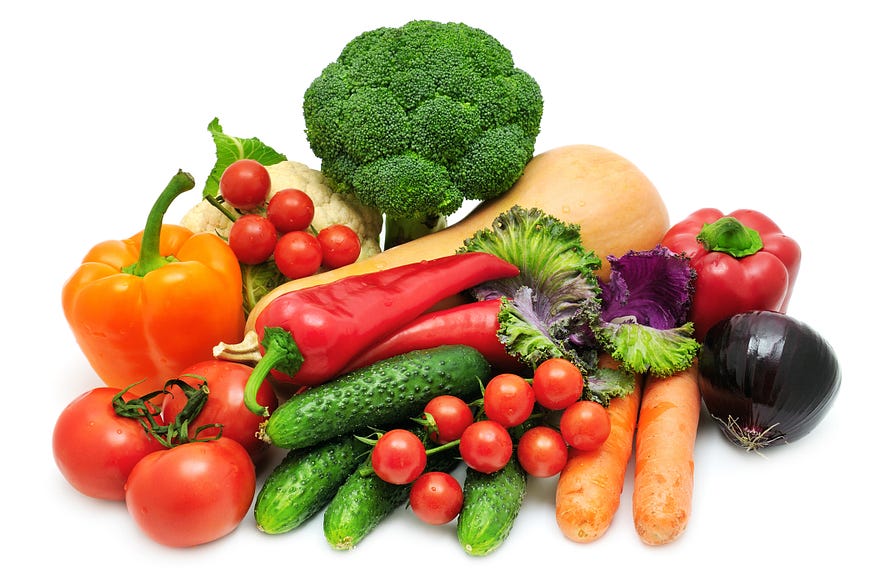
Which Vegetables Promote Hair Growth? A Detailed & User-Friendly Guide
1. Why Vegetables Play a Critical Role in Hair Growth
Hair growth is a complex process that depends on numerous factors: the health of hair-follicle cells, blood circulation to the scalp, nutrient supply (protein, iron, zinc, vitamins A, C), and a low-stress, low-inflammation environment. When your diet is lacking in key nutrients, hair may:
- Grow more slowly
- Become thinner or more likely to break
- Lose its shine and vibrancy
- Fall out or not regenerate as efficiently
Vegetables are powerful because they deliver many of the nutrients hair needs—especially when combined with other good habits. Studies show that vegetables rich in iron, vitamin A and C, and antioxidants support scalp health and follicle growth.
For example, one article notes:
“It’s a great idea to include dark leafy greens… rich in iron, folate and vitamins A and C, all of which are important for hair growth.”
2. Top Vegetables That Promote Hair Growth — Nutrients & Benefits
Here are some standout vegetables, what nutrients they provide, and how they benefit your hair:
Spinach
- Nutrients: Iron, folate, vitamins A & C, zinc.
- Hair benefit: Iron helps carry oxygen to scalp and follicles; vitamins A & C support sebum production (natural oil) and scalp health, promoting a better environment for hair to grow.
- Tip: Add spinach to smoothies, stir-frys or as cooked greens at least 3-4× weekly.
Carrot & Sweet Potato
- Nutrients: Beta-carotene (pro-vitamin A), vitamin C, antioxidants.
- Hair benefit: Vitamin A supports sebum production (keeps scalp moisturised), antioxidants protect follicles from damage, helping stronger growth.
- Tip: Roast sweet potatoes or add grated carrots to salads; the bright colour indicates high beta-carotene.
Bell Pepper (especially red/yellow) & Broccoli
- Nutrients: Vitamin C (collagen support, improves iron absorption), folate, vitamin A.
- Hair benefit: Collagen strengthens hair structure and vitamin C helps with iron absorption and antioxidant protection for scalp.
- Tip: Use raw bell peppers in salads or cook broccoli lightly to retain nutrients.
Kale & Other Dark Leafy Greens
- Nutrients: Vitamins A, C, K, iron, calcium.
- Hair benefit: Supports circulation to scalp, provides minerals important for hair-root health, helps prevent breakage and shedding.
- Tip: Use kale in soups, sautéed side-dishes or blended into green smoothies.
Cucumber
- Nutrients: High water content, silica, vitamins and minerals.
- Hair benefit: Hydrates scalp and hair, supports elasticity and helps maintain healthy growing conditions.
- Tip: Add slices to salads, or drink cucumber-infused water for indirect benefits.
3. How to Incorporate These Vegetables into Your Daily Diet for Hair Growth
Here’s a simple plan to make sure these vegetables become part of your routine:
- Breakfast: Smoothie with spinach, kale, half a banana, almond milk.
- Mid-morning snack: Raw bell pepper slices + hummus.
- Lunch: Mixed salad with kale, carrots, cucumber, maybe shredded broccoli, olive-oil dressing.
- Dinner: Roasted sweet potato wedges + sautéed spinach/kale + lean protein.
- Hydration: Drink 2-3 litres water per day; add cucumber slices or spinach leaves for extra minerals.
- Weekly rotation: Ensure you use 4-5 different hair-supportive vegetables each week rather than the same only one or two.
4. Supporting Habits That Boost Vegetable Benefits for Hair
- Protein intake: Hair is made of keratin (protein) — ensure adequate protein (beans, lentils, eggs or meats) along with veggies.
- Healthy fats: Avocados, nuts, seeds support scalp-health and hair shine.
- Limit refined carbs & sugar: Excess sugar can increase inflammation and undermine hair health.
- Manage stress & sleep: High stress = hormone changes that affect hair growth cycles.
- Avoid smoking & poor circulation: Good blood-flow to scalp is key; many vegetables aid circulation.
- Regular trims & scalp care: Healthy diet → healthier hair-roots; external care (suitable shampoo, scalp massage) reinforces it.
5. What to Expect & Realistic Outcomes
- After 4–6 weeks: You may notice fewer hair-fall episodes, slightly better hair texture, smoother scalp.
- After 3–6 months: If consistent, you’ll likely see better hair-density, improved shine, possibly faster growth, less breakage.
- Long-term: Over a year, these habits help maintain strong hair, delay thinning and sustain healthy growth cycles.
Note: Genetics, age, hormonal conditions still play big roles — vegetables help support but cannot override all factors.
6. Mistakes to Avoid & Key Precautions
- Expecting overnight “miracle” growth: Nutritional changes support slow, steady improvement — not instant results.
- Relying on veggies alone: While vital, they’re one part of the equation — you still need enough protein, hydration and good scalp care.
- Repeatedly eating same vegetable only: Variety ensures wider nutrient coverage.
- Ignoring medical causes: If you have heavy hair-loss, patchy bald spots, thyroid/hormonal issues — see a specialist.
- Over-supplementing vitamin A: Too much vitamin A (from supplements) can cause hair-loss. Stick to dietary sources.
When you ask which vegetables promote hair growth?, the answer becomes less about a single “magic” veggie and more about building a consistent, varied vegetable-rich diet that provides hair-healthy nutrients along with supportive lifestyle habits. Incorporate spinach, carrots, sweet potatoes, bell peppers, kale and cucumber into your meals. Pair them with good protein, fats, scalp circulation and overall wellness. Over time, you’ll be giving your hair the nutrition it needs to grow stronger, thicker and healthier.