If you’re looking for an affordable, multipurpose hack in your makeup bag, knowing how to use baby powder for some common makeup routines can be a game-changer. From setting foundation and baking your under-eyes to extending the wear of lipstick — baby powder can do more than just keep baby bottoms dry. But as with any beauty shortcut, it comes with both advantages and safety considerations. Here’s everything you need to know.
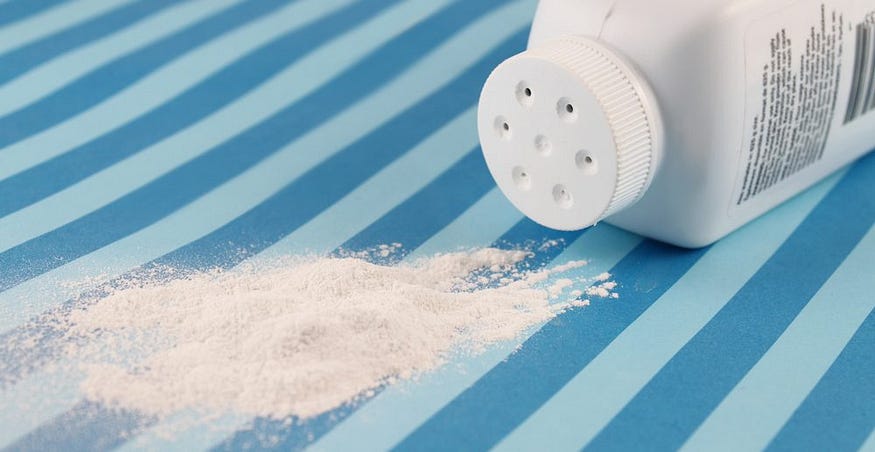
Why People Use Baby Powder in Makeup
- Oil Control: Baby powder absorbs excess oil, helping your makeup stay matte.
- Setting & Baking: Inspired by “baking” techniques, baby powder is used to lock in concealer/foundation – the heat from the skin helps set the makeup.
- Longer Lipstick Wear: Dusting baby powder on the lips helps layer lipstick over it to improve staying power.
- Budget-Friendly Alternative: Compared to high-end setting powders or translucent powders, baby powder is often cheaper and easily available.
- Other Hacks: It can double as a dry shampoo for oily roots or be used on lashes to build mascara volume.
How to Use Baby Powder in Makeup: Practical Methods
Here are some commonly used ways to incorporate baby powder into your makeup routine — along with tips to do it safely and effectively.
1. Setting Makeup with Baby Powder
- After applying foundation and concealer, take a dense, fluffy brush and dip it into baby powder.
- Tap off any excess, then lightly dust it over the T-zone and other oily areas to set the makeup.
- Be careful around the under-eye area — too much powder here can crack or settle into fine lines.
- Finish by removing excess powder with a large, soft brush to avoid a cakey look.
2. Baking (K-Beauty Style) with Baby Powder
- Apply a thick layer of baby powder (using a damp sponge or brush) to areas where you’ve used concealer (under eyes, around the nose, etc.).
- Let it “bake” for about 5–10 minutes — your body heat helps set the makeup and absorb oil.
- After the timer, sweep away the excess powder gently with a fluffy brush.
- You may notice a white cast on darker skin tones — use a bronzer or translucent powder to warm up the baked areas if needed.
3. Making Lipstick Last Longer
- Dust a very light layer of baby powder on your lips.
- Apply your lip liner and a first coat of lipstick.
- Lightly apply baby powder again (a very thin layer) — then add a second coat of lipstick on top.
- This layering method helps create a “stain” effect and increases lipstick longevity.
4. Touch-Ups & Shine Control
- Use baby powder for mid-day touch-ups: a small puff or brush can absorb oil and reduce shine quickly.
- For quick shine control, some beauty hacks suggest using a very light dusting on oily zones like the forehead or nose.
- Alternatively, baby powder can work as a dry shampoo — apply to the scalp/root area, then brush through to blend.
Important Safety & Drawbacks to Consider
Using baby powder on your face isn’t without controversy or risk. Here’s a breakdown of what to watch out for:
- Inhalation Risk
- Talc-based powders can be harmful if inhaled repeatedly.
- Use lightly and carefully, especially when applying around the face.
- White Cast / Flashback
- Baby powder often contains bright white talc, which can create a white cast in photos — especially under flash.
- This is particularly noticeable on medium to deep skin tones.
- Texture & Finish Issues
- The particle size of baby powder is often coarser than cosmetic setting powders, so it may look cakey or settle into fine lines.
- It’s not formulated to “melt” into foundation or concealer like a true baking powder, which may affect the final finish.
- Skin Irritation & Pore Clogging
- Talc can clog pores for some people and may irritate sensitive or acne-prone skin.
- Prolonged use and buildup may disrupt the skin’s barrier.
- Health Concerns
- Some baby powders (especially older or untested ones) may contain contaminants like asbestos, which raises long-term health concerns.
- Consider opting for talc-free alternatives if you plan to use it on your face regularly.
- Not Designed for Makeup
- Baby powder wasn’t originally formulated as a makeup product — its purpose is different, so it lacks the refined texture and skin-tone matching options of proper setting powders.
Tips to Use Baby Powder Safely in Makeup
- Patch-test first: Try a small area on your face to check for sensitivity or irritation.
- Use a minimal, controlled application: Less is more to avoid cakiness or inhalation.
- Choose talc-free version: If health risks are a concern, go for cornstarch-based baby powders.
- Cleanse thoroughly: At the end of the day, make sure to wash your face well to remove powder residue and prevent pore clogging.
- Avoid sensitive areas: Be careful around your eyes and avoid applying on broken or inflamed skin.
- Use a fine brush or puff: This helps distribute the powder evenly without excess dust.
Recommended Baby Powder Products (If You Choose to Use It)
Here are some baby powders that people use (with caution) as part of their makeup routine:
- Johnson’s Baby Powder — classic talc-based powder, widely available and inexpensive.
- Mother Sparsh Plant Powered Dusting Powder — talc-free, made with natural ingredients, safer for facial use.
- Babyhug Advanced Talc Free Powder — cornstarch-based, reduces risks associated with talc.
Final Thoughts
Using baby powder for makeup is a clever, budget-friendly hack — but it’s definitely not without trade-offs. You can use baby powder for some common makeup routines like setting, baking, or controlling shine, but you need to apply it carefully, choose the right formula, and be aware of potential health issues. If you decide to use it, follow the safety tips, and consider using safer, talc-free versions.
If you want a more skin-friendly alternative, there are many modern translucent and baking powders designed specifically for long wear — maybe try one of those next time!