Table of Contents
If you’re searching for ways to how to treat dandruff naturally with castor oil, you’ve landed in the right place. Dandruff—those persistent flakes and itchy patches on the scalp—can be frustrating, but a consistent, gentle approach using natural oils like castor oil, along with supportive habits, can help soothe your scalp and reduce flake buildup over time.

How to Treat Dandruff Naturally With Castor Oil: A Deep-Dive Guide
1. Why Castor Oil Helps With Dandruff
Ricinoleic acid is the signature component of castor oil (derived from Ricinus communis) and gives it much of its scalp-soothing and flake-reducing power. Castor oil is rich in fatty acids and exhibits antibacterial, antifungal and anti-inflammatory properties.
These benefits matter because dandruff is often driven by a scalp environment where flakes form due to:
- an overgrowth of yeast/fungus (commonly Malassezia) feeding on scalp oils, which triggers flaking.
- a compromised skin barrier, leading to dryness, irritation, redness and increased shedding of scalp cells.
By nourishing the scalp, balancing oil levels, and creating a calmer environment, castor oil supports your scalp’s recovery.
2. Choosing & Preparing Castor Oil for Dandruff Use
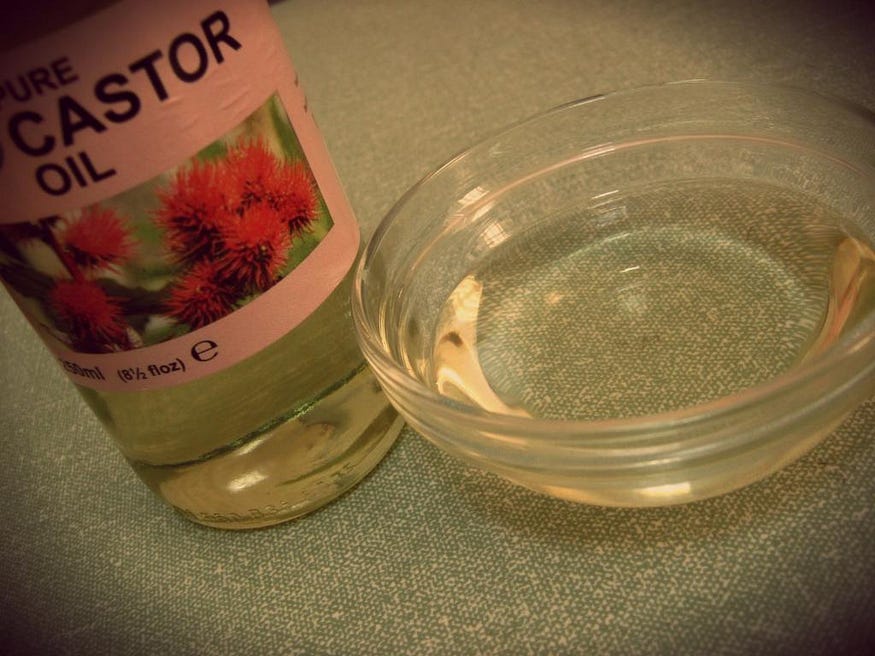
To get the most benefit:
- Pick cold-pressed, pure castor oil (ideally hexane-free and with minimal additives).
- Because castor oil is very thick and sticky, it’s usually best to dilute it or mix it with lighter oils like coconut oil, olive oil or jojoba oil.
- Always do a patch test behind your ear or on your inner forearm to check for sensitivity before full application. Some people may experience irritation or allergic reactions.
- Warm the oil slightly (a few seconds in a bowl of warm water) to help with absorption—but not hot enough to burn.
3. Step-by-Step Application Routine
Here’s how to apply castor oil for dandruff effectively:
Step 1: Pre-cleanse (optional but helpful)
- If your scalp is very oily or has a lot of buildup, you might lightly shampoo first or rinse with warm water.
Step 2: Prepare your oil blend
- Mix about 2 tablespoons castor oil with 2 tablespoons of a lighter carrier oil (e.g., coconut or olive) if your scalp tends to be oily.
- Optional add-ons:
- 5 drops of tea tree oil (for its antifungal effect)
- 1-2 tablespoons aloe vera gel (to soothe inflammation)
- Warm gently and stir.
Step 3: Apply
- Section your hair and apply the oil blend directly to the scalp—focus on flake-prone regions (behind ears, nape of neck, crown).
- Massage for 5-10 minutes to stimulate blood flow and help penetration. Massage also helps break down oil/flake deposits.
- Leave it on for 30 minutes to 2 hours (or even overnight if tolerated and scalp is not extremely oily) before rinsing.
Step 4: Wash out
- Use a gentle, sulphate-free shampoo. You may need to shampoo twice to remove the thick oil.
- Rinse thoroughly and follow with conditioner only on the mid-lengths and tips (not the scalp) if needed.
Step 5: Repeat
- Apply this treatment 1–2 times per week initially for ~4–6 weeks. Consistency is key.
4. Supporting Habits & Lifestyle Adjustments
To supercharge castor oil’s effect and reduce dandruff recurrence, match it with supportive habits:
- Use a gentle, anti-dandruff shampoo between oil treatments if you still see flakes.
- Avoid harsh chemical or fragrance-heavy hair products that may irritate the scalp.
- Keep your scalp clean and free from buildup: residue from styling products can feed flake formation.
- Ensure proper diet and hydration—nutrient deficits and dehydration may make your skin & scalp more vulnerable.
- Manage stress: stress can disrupt skin/immune health and trigger flake episodes.
- Maintain scalp hygiene: regularly clean hair brushes, pillowcases and hats to avoid re-introducing fungal/flake-causing particles.
5. What to Expect & Realistic Timeline
- Many people see a reduction in itchiness and visible flakes within 2–3 weeks, if treatment and scalp care are consistent.
- For more persistent or severe cases (e.g., scalp psoriasis or strong seborrheic dermatitis), castor oil may help, but may not fully replace medicated therapies. Experts emphasise it as a complementary remedy.
- Monitor your scalp condition: if no improvement after 6–8 weeks, or if irritation increases, consult a dermatologist to check for underlying conditions such as fungal colonisation, eczema or psoriasis.
6. Safety & Precautions
- As mentioned, always patch-test.
- Too much oil (especially if not washed properly) may lead to oil buildup, clogged follicles or even worsen flakes (especially if your scalp is naturally oily).
- Avoid applying to broken or very inflamed scalp without professional advice.
- If you’re using essential oils with the blend (tea tree, etc.), ensure they are diluted and safe for scalp use.
- Because castor oil is thick, make sure your shampoo and rinsing routine remove it fully after each use.
When your goal is how to treat dandruff naturally with castor oil, the key lies both in the quality of your oil-blend application and the consistency of your routine—paired with supportive scalp-care habits. While castor oil alone won’t always “cure” severe dandruff, it offers a low-cost, gentle and naturally-powered tool to soothe your scalp, reduce flakes and restore a healthier scalp environment. Used wisely and regularly, it can become a reliable part of your dandruff-care toolkit.
FAQs About How to Treat Dandruff Naturally With Castor Oil
Can castor oil really help get rid of dandruff?
Yes! Castor oil is packed with ricinoleic acid, which has antifungal, antibacterial, and moisturizing properties. It helps reduce the yeast and scalp irritation that cause dandruff while keeping your scalp hydrated and balanced.
How often should I use castor oil for dandruff?
For best results, apply castor oil 1–2 times per week. Overusing it can make your scalp greasy or lead to buildup, so consistency—not excess—is key.
Can I apply castor oil directly to my scalp?
Castor oil is thick, so it’s best to mix it with a lighter carrier oil like coconut, jojoba, or olive oil before applying. This makes it easier to spread and helps the scalp absorb nutrients better.
How long should I leave castor oil on my hair?
Leave the oil on your scalp for at least 30 minutes. For deeper nourishment, you can leave it on for up to 2 hours or even overnight—just cover your hair with a shower cap or towel to avoid staining.
Should I mix castor oil with other ingredients for better results?
Yes! You can add a few drops of tea tree oil (antifungal), aloe vera gel (soothing), or lemon juice (clarifying) to boost its effectiveness against flakes and irritation.
Will castor oil make my scalp oily or cause hair fall?
When used correctly, castor oil does not cause hair fall—in fact, it may strengthen roots. However, not rinsing it out properly or using too much can lead to buildup and clogged pores, which may temporarily increase shedding.
Can I use castor oil on color-treated or chemically treated hair?
Absolutely. Castor oil is natural and safe for color-treated hair. It can even help repair dryness and damage from dyes or styling products—just make sure to use pure, cold-pressed castor oil.
How long does it take to see results?
Most people notice less itching and flaking within 2–3 weeks of consistent use. Full results, including healthier scalp texture, usually appear after 4–6 weeks.
What’s the best shampoo to use after a castor oil treatment?
Use a mild, sulfate-free shampoo to wash away the thick oil without stripping your scalp’s natural moisture. You might need to shampoo twice to remove all residue.
Are there any side effects of using castor oil on the scalp?
Castor oil is generally safe, but some people may experience mild irritation or an allergic reaction. Always do a patch test before applying it widely. If redness or itching persists, stop using it and consult a dermatologist.
Can I combine castor oil with coconut oil for dandruff?
Yes! This is one of the most popular natural blends for dandruff. Coconut oil has antimicrobial properties, and when combined with castor oil’s deep hydration, it forms a powerful duo for flake-free hair.
Is castor oil suitable for all hair types?
Yes, castor oil works for all hair types—straight, curly, or coily. However, people with very fine or oily hair should mix it with lighter oils to prevent heaviness.