If you’re looking for the best ways to boost your health, then knowing the 5 best foods high in Vitamin C can make all the difference. Vitamin C is more than just the “cold-fighter” nutrient: it supports immune strength, skin health, iron absorption and antioxidant defence. In this detailed article, you’ll discover which five foods deliver the most Vitamin C, how they benefit your body, and simple ways to include them in your daily meals for maximum effect.
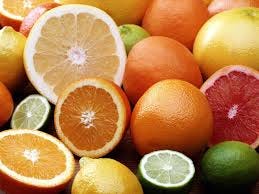
Boost Your Health: The 5 Best Foods High in Vitamin C — A Detailed Guide
Why Vitamin C Matters
Vitamin C (ascorbic acid) is a water-soluble nutrient that your body cannot produce on its own, so you must get it from food. It plays multiple critical roles: building collagen for skin, blood vessels and connective tissue; supporting immune function; enhancing iron absorption; and acting as a potent antioxidant that fights free-radical damage.
Because of these broad functions, maintaining optimal Vitamin C levels helps you support skin health, healing, energy levels, immunity and overall vitality.
Criteria for Selecting the Top 5
When choosing the “best” foods high in Vitamin C, we considered:
- Vitamin C content per standard serving (so you get a meaningful dose)
- Bioavailability and how easy it is to add the food to everyday meals
- Additional nutritional benefits (e.g., fibre, antioxidants, minerals)
- Availability — foods you can find in most markets or supermarkets
With that in mind, here are the top 5:
1. Guava
Why it stands out: A single guava fruit can deliver around 125 mg of Vitamin C—well above the daily recommended value for many adults.
Health benefits beyond Vitamin C: Guava also contains dietary fibre, potassium, and lycopene (especially in the pink‐fleshed varieties). The fibre supports digestion and the antioxidants assist in skin and cardiovascular health.
Ways to enjoy: Slice fresh guava for a snack, add to fruit salads, or use in smoothies. For an Indian twist, try guava with a pinch of chaat masala or in a fruit chaat mixture.
2. Yellow Bell Pepper (Sweet Yellow Pepper)
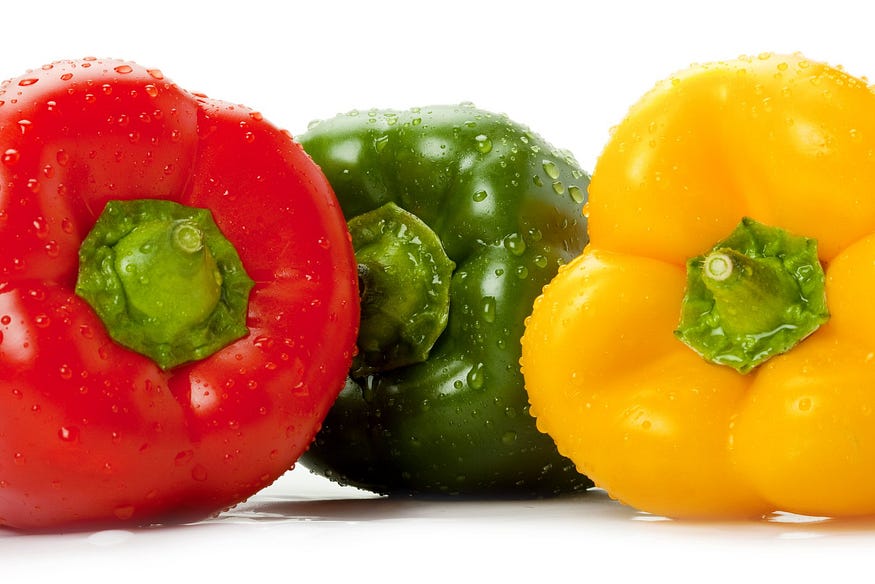
Why it stands out: These peppers are Vitamin C powerhouses—one large yellow bell pepper can provide ~340 mg of Vitamin C (≈380% of the DV) in some analyses.
Health benefits beyond Vitamin C: They’re rich in carotenoids (like beta‐carotene), fibre and a variety of antioxidants. The vivid colour signals high phytonutrient content.
Ways to enjoy: Use yellow bell peppers in raw form (salads, crudités), grill or roast them for wraps or sandwiches, add to stir-fries or omelettes. Because they’re crunchy and sweet, they make a great snack too.
3. Kiwi (Kiwifruit)
Why it stands out: A medium kiwi delivers around 56 mg or more of Vitamin C—about 62% of the DV in average data. Some studies show even higher depending on size and variety.
Health benefits beyond Vitamin C: Kiwi also provides good fibre, folate, vitamin E and potassium. It supports digestion (due to actinidin enzyme) and may assist in cardiovascular health.
Ways to enjoy: Peel and eat as a snack, add slices to yogurt or cereal, or combine with other berries for a nutrient-rich fruit bowl.
4. Strawberries
Why it stands out: A cup of strawberries may provide nearly 100 mg of Vitamin C (depending on region and size) and are among the top berry choices for this nutrient.
Health benefits beyond Vitamin C: Strawberries contain powerful antioxidants like anthocyanins, fibre and manganese—supporting both skin health and metabolic balance.
Ways to enjoy: Fresh or frozen strawberries work well in smoothies, salads, desserts or simply topped on cereal. For an Indian flavour, create a berry chaat with mint and lemon juice.
5. Broccoli
Why it stands out: While fruits often dominate Vitamin C lists, broccoli is a vegetable that offers a solid dose—around 81 mg in a cup of chopped broccoli in many reports.
Health benefits beyond Vitamin C: Broccoli is a cruciferous vegetable rich in fibre, vitamin K, folate and sulphur compounds (like sulforaphane) that support detoxification and cardiovascular health.
Ways to enjoy: Steam or lightly sauté broccoli so you retain Vitamin C (which can degrade with heavy cooking). Use in stir-fries, salads, or as a snack with hummus.
How Much Vitamin C Do You Need & Tips for Maximising It
- Recommended intake: For adults, around 90 mg/day is often cited as the Reference Daily Intake (RDI) in many countries.
- Timing: Because Vitamin C is water-soluble and not stored long-term in the body, it’s helpful to spread intake across meals (rather than all in one shot).
- Cooking and storage tips: Vitamin C is sensitive to heat, light and air. To maximise the benefit:
- Eat as much raw or lightly cooked as possible
- Minimise long cooking times or high heat
- Store produce in the fridge and consume soon after cutting
- Combine pairs for absorption: For example, Vitamin C enhances iron absorption from plant sources—so a salad with greens (iron) plus yellow bell pepper (Vitamin C) is a smart combo.
Why These Foods Matter for Your Health
- Immune support: Vitamin C supports white-blood-cell function and antioxidant defence, which is why it’s often linked to immune resilience.
- Skin & collagen health: Collagen is the structural protein in skin, connective tissue and blood vessels; Vitamin C is essential for collagen synthesis, helping keep skin firmer and younger looking.
- Iron absorption: Especially for vegetarian or plant-based diets, Vitamin C helps convert non-heme iron into a more absorbable form.
- Antioxidant protection: It helps neutralise free radicals, reducing oxidative stress that can contribute to ageing, inflammation and chronic disease.
Putting It Into Practice: Daily Meal Ideas
- Breakfast: Smoothie with kiwi, strawberries, spinach and a splash of orange juice.
- Snack: Sliced yellow bell pepper with hummus or guava slices.
- Lunch: Salad of mixed greens + grilled broccoli florets + chopped bell pepper, topped with guava or kiwi chunks.
- Dinner: Stir-fry with broccoli, red/yellow bell peppers, kale (optional) and tofu/legumes.
- Dessert: Fresh mixed berries (including strawberries) or kiwi slices.
By building your meals this way, you ensure consistent Vitamin C retrieval without relying on supplements.
By integrating the 5 best foods high in Vitamin C—guava, yellow bell pepper, kiwi, strawberries and broccoli—you’re not simply “eating more Vitamin C” but doing so with nutrient-dense foods that provide a broad spectrum of health benefits. Use the tips above to optimise how you eat them (raw, lightly cooked, fresh) and pair them with other healthy habits to truly boost your health. Your immune system, skin, digestion and overall vitality will thank you!
FAQs on The 5 Best Foods High in Vitamin C
Why is Vitamin C so important for health?
Vitamin C is vital for your body’s overall wellness. It supports the immune system, promotes collagen production for healthy skin, accelerates wound healing, and functions as a powerful antioxidant that protects cells from damage caused by free radicals. It also helps improve the absorption of iron from plant-based foods, preventing anemia.
What are the top 5 foods high in Vitamin C?
The five best foods rich in Vitamin C are guava, yellow bell pepper, kiwi, strawberries, and broccoli. Each of these provides a significant amount of Vitamin C along with other essential nutrients like fibre, potassium, folate, and antioxidants.
How much Vitamin C should I consume daily?
The recommended daily intake of Vitamin C for adults is around 90 mg for men and 75 mg for women. However, this can vary depending on your age, health status, and lifestyle. Smokers and people under stress may require a slightly higher intake.
Can I get enough Vitamin C from food alone?
Yes, if you include Vitamin C-rich fruits and vegetables in your daily meals, you can easily meet your daily requirements without supplements. Regular consumption of foods like citrus fruits, bell peppers, kiwi, and broccoli is sufficient for most people.
Does cooking reduce Vitamin C content in food?
Yes, Vitamin C is sensitive to heat, light, and air. Boiling or overcooking can significantly reduce its content. To preserve it, consume foods raw when possible or cook them lightly by steaming or sautéing for short durations.
Are supplements necessary for Vitamin C?
Supplements are generally unnecessary if you maintain a balanced diet rich in fresh fruits and vegetables. However, if you have a medical condition that impairs nutrient absorption or follow a restrictive diet, consult your healthcare provider before taking Vitamin C supplements.
What happens if I consume too much Vitamin C?
Excess Vitamin C is usually excreted through urine since it’s water-soluble, but consuming extremely high doses (above 2,000 mg/day) can cause side effects like diarrhea, nausea, and stomach cramps. It’s best to get your Vitamin C naturally from foods.
Which Vitamin C-rich food is best for glowing skin?
Guava and strawberries are excellent for skin health due to their high Vitamin C and antioxidant content. Vitamin C boosts collagen production, reduces pigmentation, and enhances overall skin texture, making your skin look radiant and youthful.
How can I include more Vitamin C in my diet easily?
Add fresh fruits like guava, kiwi, or strawberries to your breakfast or smoothies. Include raw bell peppers in salads or snacks, and steam broccoli for your lunch or dinner. These simple habits will help maintain steady Vitamin C levels throughout the day.
Can Vitamin C help in preventing colds or flu?
Vitamin C doesn’t necessarily prevent colds, but it can reduce their severity and duration by strengthening your immune system and helping your body fight infections more effectively.