Lately, many wellness blogs have touted Epsom salt as a shortcut to slimmer bodies — a “revolution in weight loss.” The idea is tempting: soak in a bath, relax, and shed kilos. But before you toss a bag of Epsom salt into your tub, it’s important to understand what Epsom salt actually does — and what it doesn’t. In this article, we unpack the science behind Epsom salt, explore its real benefits (and limitations), and explain how to use it safely for overall health — while being honest about its weight-loss claims.
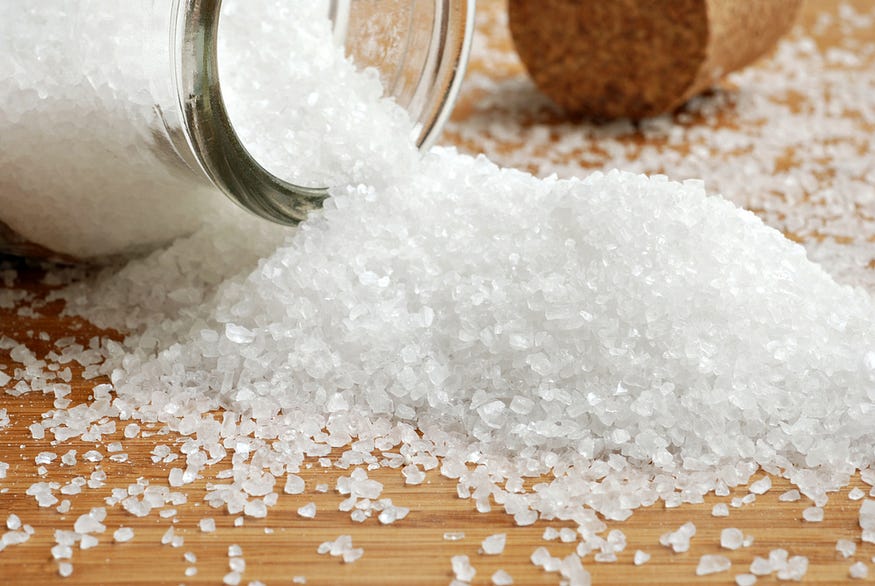
✅ What Is Epsom Salt — And Why People Use It
- Chemically, Epsom salt is magnesium sulfate — not the same as kitchen salt.
- Magnesium is vital for hundreds of biochemical processes in the body — from nerve and muscle function to heart health and sleep regulation.
- Epsom salt baths and soaks are popular for:
- Relaxing muscles, reducing soreness, easing stiffness
- Helping relieve stress and promoting better sleep (magnesium helps regulate neurotransmitters tied to relaxation)
- Soothing skin, reducing inflammation, and giving some skin-care benefits like smoother or softer skin after a bath.
- Helping with minor detox rituals, feeling refreshed, and potentially assisting mild digestive issues (magnesium has mild laxative properties when taken internally — though this is different from a bath soak).
Because of these benefits, many people enjoy Epsom-salt baths as part of their self-care or wellness routine.
🔎 Does Epsom Salt Really Help With Weight Loss? — What Science Says
Unfortunately, the evidence does not support the idea that Epsom salt is a meaningful or reliable tool for fat loss. Here’s what research and expert reviews show:
- According to a detailed review, while Epsom salt baths may offer relaxation and muscle relief, there’s no proof they directly burn fat or cause lasting weight loss.
- Some claim that soaking can help you “detox” and slim down via water loss. But any reduction tends to be temporary — mostly water weight, not fat.
- A hot bath (with or without salts) might burn a modest amount of calories (some sources suggest equivalent to a 30-minute walk if the soak is long and water hot), but this is a minimal benefit compared with proper diet and exercise.
- Medical and wellness experts emphasize that weight management fundamentally depends on a balanced diet + regular physical activity + caloric deficit — not soaks or salts alone.
In short: Epsom salt is at best a supportive wellness practice — good for relaxation, potentially improving comfort, circulation, and skin — but it is not a standalone method for fat loss or sustainable weight reduction.
💡 What Epsom Salt Can Do — Sensible Benefits Worth Considering
Used correctly and with realistic expectations, Epsom salt baths or soaks can offer several gentle, useful benefits:
- Muscle relaxation & relief: After workouts or physical activity, a warm Epsom salt bath can soothe sore, tense muscles and help recovery.
- Stress reduction & better sleep: Magnesium may help support calmness, regulate sleep cycles, and reduce stress — especially if bathing before bedtime.
- Skin & skin-barrier support: For some, Epsom salt baths may mildly exfoliate or soften skin, reduce irritation or inflammation (useful for conditions like mild eczema or skin dryness).
- Relaxation, self-care, mental wellness: Sometimes, the benefit comes simply from taking time for yourself — soaking, breathing, calming the mind — which contributes to overall well-being.
- Complement to healthy habits: When used along with good diet, exercise, hydration, and other healthy lifestyle choices — Epsom salt can be a light, supportive addition to overall wellness.
⚠️ What Epsom Salt Cannot Do — And The Risks of Overuse
Relying on Epsom salt as a “magic weight-loss solution” or “detox” tool comes with several pitfalls:
- No real fat loss — it won’t burn stored fat or significantly boost metabolism.
- Weight reduction (if any) is temporary and mostly water loss — easily reversed once you rehydrate.
- Overuse or improper use (especially ingestion) can be harmful — taking Epsom salt internally for laxative effect can cause dehydration, electrolyte imbalance, and health issues (and isn’t recommended as a regular weight-loss method).
- Skin or health conditions — caution needed: If you have kidney issues, diabetes, open wounds, severe skin conditions or sensitive skin, Epsom salt baths may not be appropriate.
- False expectations may lead to neglect of proven weight-loss strategies — relying on soaks instead of healthy eating and exercise delays real progress.
🛁 How to Use Epsom Salt Safely — Bath & Self-Care Tips
If you want to enjoy Epsom salt’s potential benefits responsibly, here’s a safe routine:
- Use standard Epsom salt (magnesium sulfate, no added fragrances or harsh chemicals).
- Add about 1–2 cups of Epsom salt to a warm (not scalding) bath. Soak for 15–20 minutes.
- Use 1–2 times per week (or as needed) — avoid daily or excessive baths to prevent skin dryness or mineral overload.
- Always hydrate well before and after a soak.
- After the bath, moisturize your skin to lock in hydration.
- For those with sensitive skin or health issues (kidney disease, high blood pressure, diabetes), consult a doctor before regular use.
🎯 What Real Weight Loss Looks Like — And Why Epsom Salt is Only a Small Part
If your goal is to lose weight and keep it off, here’s what works — and what Epsom salt can support, but not replace:
✅ Proven Components of Effective Weight Loss
- Balanced, nutritious diet — with controlled calories
- Regular physical activity / exercise (cardio + strength training)
- Hydration, proper sleep, stress management
- Consistency, lifestyle habits, mental well-being
🟡 Where Epsom Salt Helps (But Modestly)
- As a relaxation and recovery aid — helpful after workouts or stressful days
- For muscle recovery, low-level skin care, and stress relief — when used as part of overall wellness
- As a supportive self-care routine, not the main tool for fat loss
Bottom line: Think of Epsom salt as a wellness accessory, not a weight-loss method.
✨ Final Thoughts
Epsom salt has genuine value — for relaxation, muscle comfort, stress relief, and general self-care. But claims of it being a new revolution for weight loss are overblown and not backed by science. The real path to lasting weight management remains through balanced diet, exercise, and healthy lifestyle.
If you enjoy Epsom salt baths — great! Just treat them as a supportive wellness habit, not a quick fix. Use responsibly, realistically, and safely.