If you’re exploring “Supplements — Towards Health Needs”, you’re delving into a topic of growing importance in modern wellness: how dietary supplements can help fill nutrient gaps, support life-stage demands, and enhance overall health when used thoughtfully. This thoroughly detailed guide will walk you through why supplements exist, when they’re useful, how to choose them wisely, and how they can integrate with diet and lifestyle for optimal benefit.
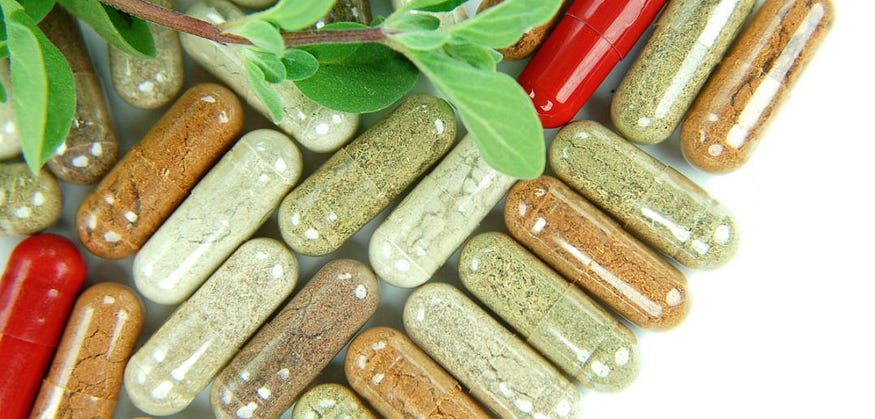
Supplements — Towards Health Needs: A Comprehensive Guide
1. Why Supplements Exist & Their Role in Health
In an ideal world, we would obtain all our nutrients—vitamins, minerals, essential fats, amino acids—from food. But in practice:
- Modern lifestyles (busy schedules, processed foods, limited time for fresh produce) make it harder to consistently meet nutrient requirements.
- Life stages and physiological conditions (pregnancy, ageing, vegetarians/vegans, illness recovery, high-training athletes) alter nutritional needs.
- Certain nutrients may be hard to obtain in adequate amounts via food (for example vitamin D for those with limited sun exposure, B12 for vegans).
- Nutrient deficiencies or sub-optimal intakes carry health consequences (weakened immunity, bone health decline, fatigue, impaired recovery).
Thus, supplements are intended to complement a balanced diet—not replace it—and to target specific needs rather than being a blanket “one-size-fits-all” solution.
2. When Supplements May Be Useful – Matching to Health Needs
Here are common scenarios in which supplements can play a practical role:
- Lifestyle/Nutrient gaps: If your diet lacks variety, you eat few fruits/vegetables, or you rely on convenience meals, you may be missing key nutrients like vitamin C, magnesium, zinc.
- Specific life stages: Women who are pregnant or trying to conceive often need folic acid/iron; older adults need more vitamin D/B12.
- Dietary restrictions: Vegans/vegetarians may need B12, iron, possibly omega-3s (EPA/DHA). Those with food allergies or intolerances may miss certain nutrients.
- Health conditions or recovery: People recovering from illness, surgery, or with absorption issues (e.g., gut disorders) may need targeted supplementation.
- High physical demands: Athletes, heavy physical jobs or high-stress lifestyles may benefit from higher nutrient support (protein, iron, magnesium, antioxidants).
In each case, the key is that supplements support specific needs based on individual profile—rather than using many supplements indiscriminately.
3. The Most Important Supplements to Consider & Why
Below is a breakdown of key supplements, their roles, and when they may matter:
A) Vitamin D
- Role: Supports bone health, immune function, mood regulation and more. It’s difficult to get enough from food if sun exposure is limited.
- When to consider: Minimal sun exposure, darker skin tones, older age, osteoporosis risk.
B) Omega-3 Fatty Acids (EPA/DHA)
- Role: Anti-inflammatory support, heart health, brain function, eye health.
- When to consider: Low oily-fish intake, vegetarian/vegan diets, cardiovascular risk, inflammatory conditions.
C) Iron, Zinc & Other Trace Minerals
- Role: Iron for oxygen transport; zinc for immune, skin and wound-healing; trace minerals support multiple enzymes/metabolic pathways.
- When to consider: Menstruating women, vegetarians/vegans, signs of deficiency (fatigue, brittle nails, slowed wound healing).
D) Multivitamin / Basic Micronutrient Coverage
- Role: A “safety net” for micronutrients when diet is inadequate—but not a substitute for healthy food.
- When to consider: Busy lifestyles, older adults, dietary restrictions—after diet review and ideally lab tests.
E) Protein / Amino Acid Supplements
- Role: Vital for tissue repair, muscle maintenance, immune support—especially if dietary protein is low.
- When to consider: Vegetarians/vegans with low protein intake, older adults losing muscle mass (sarcopenia), recovery from illness/injury.
F) Specialized Supplements (Probiotics, Antioxidants, etc)
- Role: Probiotics support gut/immune; antioxidants (e.g., glutathione, tocotrienols) may offer additional cellular protection.
- When to consider: Gut-health issues, high oxidative-stress lifestyle (pollution, smoking), skin/aging concerns—but use carefully.
4. How to Choose High-Quality Supplements & Use Them Safely
A) Quality & brand credibility
- Look for third-party testing (USP, NSF, ConsumerLab) to ensure label accuracy and absence of contaminants.
- Avoid mega-doses unless advised—more is not always better. Some nutrients in excess can cause harm.
B) Matching to your needs
- Base decisions on your diet, lifestyle, lab values (if available). Blindly taking many supplements increases cost/risk without benefit.
- Timing and form matter—for example, fat-soluble vitamins with meals, iron with vitamin C, avoiding competing minerals.
C) Integration with diet and lifestyle
- Supplements should complement, not replace, good food, hydration, sleep, movement and stress management.
- Reassess periodically—needs change with age, health status, environment and diet.
D) Watch out for risks & interactions
- Some supplements can interfere with medications (e.g., vitamin K and blood-thinners).
- Some nutrients accumulate in the body (vitamin A, D, iron) and may lead to toxicity.
- Store supplements properly; check for expiration, avoid “too good to be true” claims.
5. Bringing It Together: A Practical Plan for Supplements Towards Health Needs
Here’s a step-by-step approach you can follow:
- Evaluate your current state: diet quality, food restrictions, lifestyle, age, health conditions, goals.
- Identify gaps: Are you getting enough sun for vitamin D? Do you eat fish? Are you vegetarian? Do you feel fatigued or have signs of deficiency?
- Choose key supplements that specifically address your gaps: e.g., vitamin D if limited sun; iron if menstruating and diet restricts; omega-3s if you don’t eat fish.
- Focus on quality: pick trusted brand, check third-party testing, read label.
- Integrate with diet and lifestyle changes: Add more nutrient-dense whole foods, improve sleep, reduce stress, increase movement.
- Monitor and reassess: After 8-12 weeks, assess how you feel; consider lab tests; adjust as needed.
- Avoid over-supplementing: More isn’t always better; focusing on balance avoids risk.
6. What to Expect & Realistic Outcomes
- Short term (4-8 weeks): Improved energy, better recovery, fewer signs of deficiency (if present)—may not yet see dramatic changes but start building momentum.
- Medium term (3-6 months): Stronger foundations—better immune responses, improved bone/muscle markers, more stable mood and energy, perhaps improved lab values.
- Long term: Supplements become a strategic component of your wellness toolkit—not a crutch. The real benefit is sustained when combined with diet, movement, sleep and good habits.
Remember: Supplements are a part of the puzzle, not the whole picture. Their benefit is magnified when you build around them the core pillars of health.
7. Common Mistakes & What to Avoid
- Assuming “more is better”: Taking many supplements without need can cause toxicity, interfere with absorption and mask underlying issues.
- Ignoring foundational health habits: Supplements cannot compensate for poor diet, lack of sleep, inactivity or high stress.
- Not consulting professionals when you’re in special condition (pregnant, elderly, on medications).
- Chasing “miracle” claims: Many supplements are marketed with exaggerated claims; always seek credible evidence.
- Neglecting dietary sources: Whole foods offer synergy (fiber, phytochemicals) that supplements often lack.
Final Thoughts
“Supplements — towards health needs” means using supplements strategically to support your unique nutritional landscape, life stage and health goals. When well-chosen, high-quality, and integrated into a strong base of whole-food nutrition, movement, rest and self-care, supplements can boost your health journey. However, the smartest approach is to see them as tools, not shortcuts. With consistency, thoughtful selection, and realistic expectations, you’ll build stronger foundations and support your health more robustly.