Table of Contents
If you’re looking for truly effective sunscreen lotions that go beyond simply diving into your bag and rubbing something on, you’re in the right place. Understanding how to choose the right lotion, apply it correctly, and integrate it into your daily grooming is what turns a good product into one that actually protects your skin. This detailed guide will walk you through everything you need to know about sunscreen lotions: from picking the right SPF and formulation to using them like a pro in your daily routine.
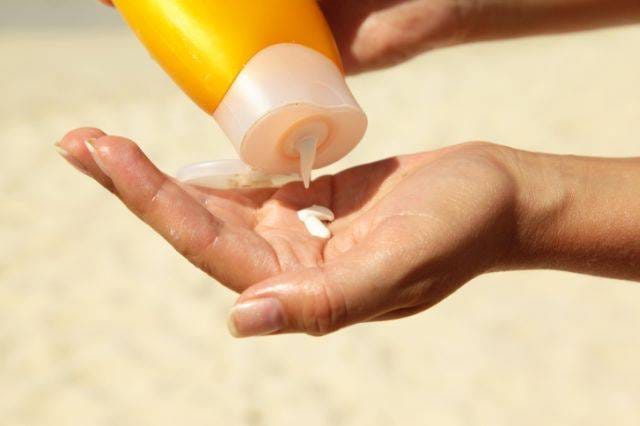
Sunscreen Lotions: The Complete Guide for Smart Protection
Understanding What “Sunscreen Lotion” Really Means
A “sunscreen lotion” refers to a topical skincare product with sun-protection ingredients, formulated in a lotion (fluid, spreadable) format. Unlike sprays or sticks, lotions typically allow for a more even, visible application and often contain added moisturisers.
Why the emphasis on “lotion”?
- Because proper coverage matters: You need enough product applied evenly.
- Lotions tend to adhere better, especially in humid / sweaty environments (important if you’re in hot climates).
- A good sunscreen-lotion can double up as skincare: many include hydrating ingredients, anti-oxidants, etc.
Why Use Sunscreen Lotion Every Day?
Sun exposure contributes to:
- Sunburn and immediate damage to skin cells.
- Long-term photo-ageing (wrinkles, pigmentation), skin laxity.
- Increased risk of skin cancers.
Because UV rays are present even on cloudy days and during everyday activities—not just when you’re poolside—making sunscreen lotion a daily habit is one of the best skin-care decisions you can make.
How to Choose the Right Sunscreen Lotion

1. SPF Number & Broad-Spectrum
- Look for SPF 30 or higher for everyday use; if you will be outdoors a lot or sweating/heavy exposure, consider SPF 50+.
- Ensure the product is “broad-spectrum” (i.e., protects against both UVA and UVB rays). UVA causes aging, UVB causes burns and cancer risk.
- Beware of myth: A higher SPF doesn’t mean you can skip re-application or use half the amount.
2. Format & Texture
- Lotions work well for many skin types; choose a formulation suited for your skin (dry skin = richer lotion; oily skin = lighter, oil-free).
- Water-resistant lotions are important if you’ll be swimming or sweating. Even then, you still need to reapply.
3. Ingredients & Skin Sensitivities
- If you have sensitive skin: look for mineral/physical filters (zinc oxide, titanium dioxide) or formulas labelled for sensitive skin.
- If you wear makeup or have oily skin: lightweight, non-comedogenic sunscreen lotions are preferable.
- For daily outdoor work or heavy sun: consider same but with higher protection and maybe tinted to even skin tone.
4. Amount & Coverage
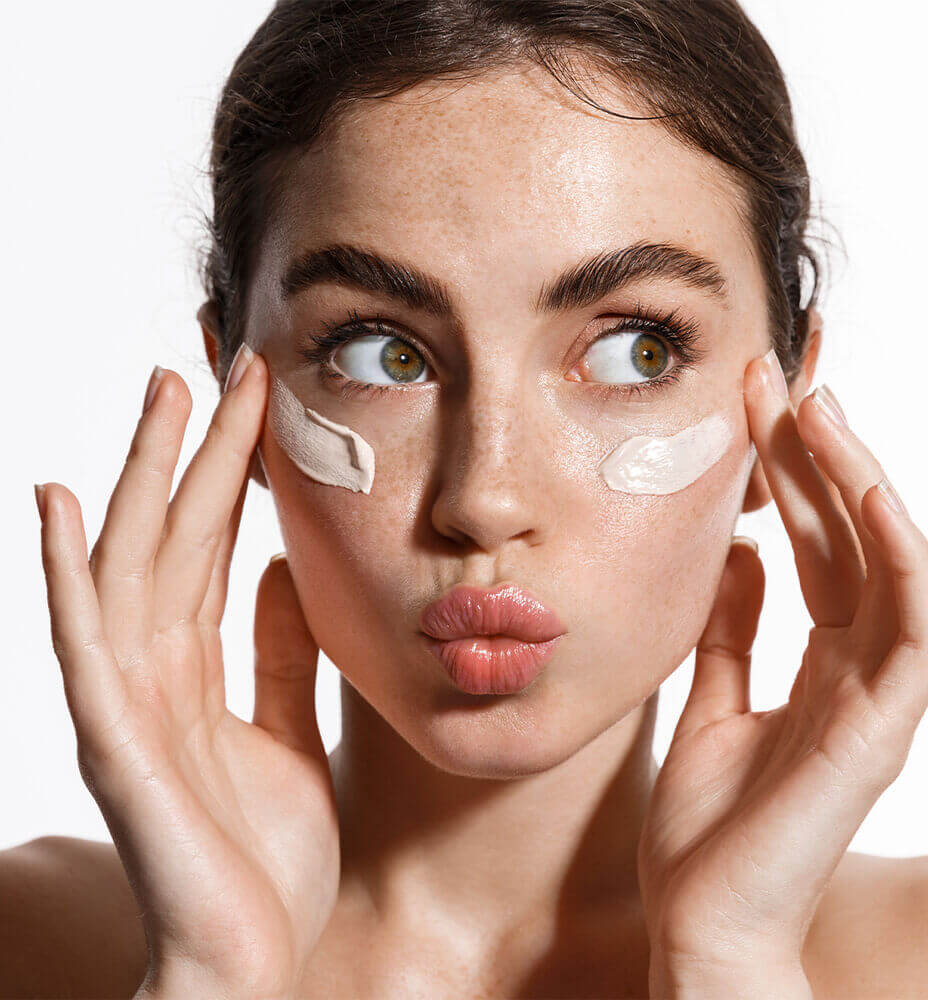
- For your face: A rule of thumb is about two fingers’ length of sunscreen lotion from your index and middle finger applied over face and neck.
- For full body: About 1 ounce (30 ml) is recommended to cover most exposed skin of an adult.
How to Apply Sunscreen Lotion: Step-by-Step
Step 1: Apply Early
Apply your sunscreen lotion 15-30 minutes before stepping outside so it has time to absorb into your skin.
Step 2: Apply Generously & Evenly
- Use the recommended amount (see above).
- Don’t miss tricky areas: ears, back of neck, hairline, tops of feet, toes, under chin.
- Dot the sunscreen on face/neck in small amounts and then gently spread/tap in—especially for face to ensure even layer.
Step 3: Don’t Skip Essential Areas
Neck, sides of face, ears, scalp (if hair is thin) are often missed and get high sun exposure. Cover them thoroughly.
Step 4: Re-apply At The Right Time
- Reapply every 2 hours when continuously outdoors.
- Reapply immediately after swimming, sweating heavily, or towel-drying. Even water-resistant formulas lose effectiveness after a period.
Step 5: Order of Application
- Cleanser → moisturiser → sunscreen lotion → (make-up)
- Use sunscreen as the last skincare step before makeup (if you wear makeup).
Integrating Sunscreen Lotion Into Your Daily & Seasonal Routine
Daily Use
- Use a good-quality sunscreen lotion every morning, even on rainy/cloudy days.
- For indoor settings with sun through windows or light sun exposure, still apply—UV rays penetrate glass.
- Carry a small bottle of your sunscreen lotion or a travel-size to reapply if you are outdoors midday.
Special Situations
- Outdoor activity, beach, pool? Choose water-resistant lotion + wide-brim hat + sunglasses + shade.
- Driving? Remember areas like arms, hands, sides of face receive sun through windows.
- Winter & high altitude? UV still strong—snow reflects UV; sun damage still possible.
Expiration & Storage
- Sunscreen lotions have expiry dates. Old formula may degrade and not protect well.
- Store away from high heat (don’t leave in hot car for long).
- Shake bottle (if required) before use to ensure ingredients are mixed, especially after storage.
Common Mistakes & How to Avoid Them
- Using too little product → inadequate coverage.
- Skipping re-application → protection drops even with high SPF.
- Applying just before sun exposure → leaves skin unprotected for first minutes.
- Relying on makeup with SPF alone → most makeup SPFs are too low to protect sufficiently.
- Assuming higher SPF means you don’t need to reapply or you can stay much longer in sun → wrong.
Myths & Facts About Sunscreen Lotion
- Myth: “I have dark skin so I don’t need sunscreen.” → Fact: All skin tones need sunscreen because UV-induced damage and aging occur in all.
- Myth: “Once I apply SPF 50 I’m safe for the whole day.” → Fact: Protection drops—re-apply and use sufficient amount.
- Myth: “Tinted makeup with SPF is enough.” → Fact: Usually inadequate; dedicated sunscreen lotion is best.
Expert & Dermatologist Tips
- Dermatologists recommend SPF 30+ as baseline and “broad-spectrum” whether chemical or physical filters.
- When choosing between chemical vs physical filter lotions, pick what suits your skin texture/comfort. Physical blockers may be gentler for sensitive skin.
- If you have oily skin, look for oil-free, non-comedogenic sunscreen lotions.
- For kids or sensitive areas, choose fragrance-free, tear-free formulations and apply generously.
Sunscreen lotions aren’t optional—they’re a central part of effective skincare and sun-safety. But having a bottle on the shelf isn’t enough; applying the right amount, covering all exposed areas, reapplying regularly, and choosing the right formulation are what make the difference between “wearing sunscreen” and being actually protected. Make sunscreen lotion your daily ritual—and your skin will thank you with fewer sunburns, less premature ageing, and greater long-term health.