Table of Contents
If you’re curious about the many ways to benefit from olive oil and its uses, this comprehensive guide is for you. Whether you’re looking to enhance your cooking, support your skin and hair, or boost your heart health, olive oil offers a rich blend of nutrients and versatile applications backed by science.
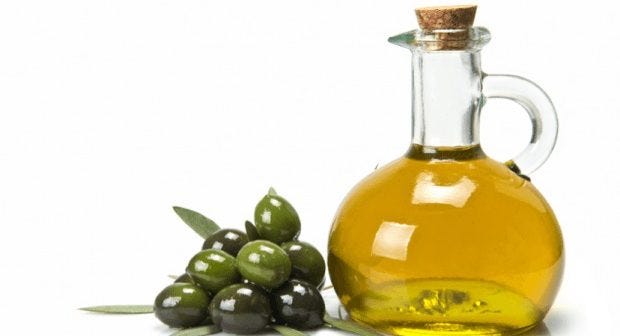
Olive Oil and Its Uses: A Detailed Guide
1. What Is Olive Oil?
Olive oil is the oil extracted from the fruit of the Olive tree (scientific name Olea europaea) via pressing and extraction methods.
There are different grades of olive oil (extra virgin, virgin, refined) depending on how it’s processed and the quality of the olives. Extra‐virgin olive oil (EVOO) is the least processed and retains the highest levels of beneficial compounds.
2. Why Use Olive Oil? The Key Benefits
Here are some of the main benefits of olive oil—both its nutritional and topical uses.
Nutritional & Health Benefits
- Rich in monounsaturated fats (especially oleic acid) which are heart‐friendly.
- Contains antioxidants and polyphenols that reduce oxidative stress and inflammation.
- Studies link olive oil consumption to lower LDL (“bad”) cholesterol, improved blood pressure and, when replacing less healthy fats, reduced risk of heart disease.
- Extra uses: improved brain health, reduced risk of type 2 diabetes, possible anti‐cancer and anti‐arthritis effects (though more research is needed).
Topical & Cosmetic Uses
- Olive oil can be used as a skin moisturizer, carrier oil for essential oils, hair conditioner, and gentle makeup remover.
- It supports scalp & hair health, and can help soothe dry skin or mild irritation.
3. Olive Oil and Its Uses in Daily Life
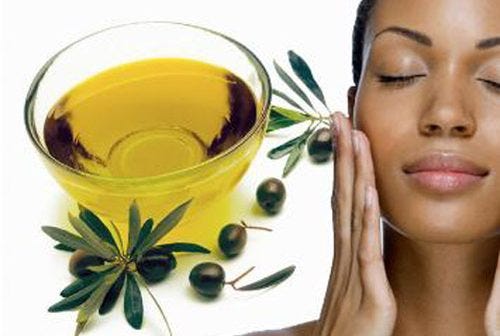
Here’s how you can incorporate olive oil into your everyday life:
In the Kitchen
- Use olive oil as your primary cooking or finishing oil: drizzle over salads, use for sautéing or light frying.
- Replace butter or heavy saturated fats with olive oil for healthier fat intake.
- Use high‐quality extra virgin olive oil for dressings and cold applications (as heat can degrade some beneficial compounds).
- For high-heat cooking choose a refined or light olive oil with higher smoke point—but still use good quality.
For Skin & Hair
- Skin: After cleansing, apply a few drops of extra virgin olive oil (or olive oil blended with other oils) to gently moisturize and protect skin barrier.
- Hair: Use as a pre-wash hair mask—warm a bit of olive oil, apply to scalp and hair lengths, leave 20-30 minutes, then shampoo.
- Body & lips: Olive oil can be used to soften rough patches or dry areas; apply a light layer and allow absorption.
As a Lifestyle Habit
- Use at least 1–2 tablespoons of quality olive oil daily as part of a balanced eating pattern.
- Store it correctly (see section below) so it retains freshness and beneficial compounds.
- Use as a replacement for less healthy oils (trans fats, heavily processed vegetable oils).
4. Choosing & Storing Olive Oil
To get the best out of olive oil, you should pay attention to quality, type and storage.
Quality & Type
- Extra Virgin Olive Oil (EVOO): best choice for health benefits because of minimal processing and preserved polyphenols.
- Check for certifications, harvest date, dark glass bottle, origin information.
- Be aware of adulteration and mislabelling—buy from reputable sources.
- Using cheaper/refined oils may still provide some fat benefits but fewer nutritional advantages.
Storage Tips
- Store in a cool, dark place, away from heat, light and oxygen—as these degrade the oil.
- Avoid clear bottles, avoid direct sunlight, avoid high heat (e.g., above your stove).
- Use within a few months of opening for best flavor and nutrients.
5. How Much to Use & How to Use It
- Generally, 1–2 tablespoons (15–30 ml) per day of good quality olive oil is a practical target for dietary benefits, as long as it replaces less healthy fats and is part of overall balanced diet.
- Use olive oil as a finishing drizzle, in salad dressings, or to sauté vegetables rather than deep‐frying heavy or highly processed foods.
- For topical use: a few drops are enough; any excess can clog pores in oily skin types—so patch test first.
6. Safety & Precautions
- Olive oil is generally safe when used as food or on skin.
- It is calorie-dense: remember that even healthy fats add calories; balance is key.
- Rare allergic reactions: if you have olive tree or olive pollen allergy, test topically first.
- If you have specific medical conditions (e.g., taking blood pressure medication), note that olive oil may affect blood pressure—monitor with your doctor.
- Do not assume that more is always better; oil for salad dressing or finishing is fine—“shots” of olive oil are unproven and may add unnecessary calories.
7. Myth-Busting & Common Questions
- Myth: “Olive oil is only for salads.” → Fact: It is versatile—can be used for cooking (especially medium heat), dressings, skincare, hair.
- Myth: “Any olive oil is fine.” → Quality and processing matter. EVOO retains more beneficial compounds.
- Myth: “If I just add olive oil to my existing bad diet, I’ll be healthy.” → No; benefits are greatest when olive oil replaces less healthy fats AND is part of a balanced diet.
- Myth: “Olive oil reverse disease automatically.” → While it supports health, olive oil alone doesn’t cure chronic disease—you still need overall healthy lifestyle.
8. Olive Oil and Its Uses: Practical Tips & Hacks
7. Not only for the skin, but for the hairs also it has great advantages. Apply the olive oil on your hair and wash it after the 30 minutes you will find great result your hair will not look only shiny but polished too.
- Swap butter/spreads with olive oil drizzled on whole-grain toast + veggies.
- Use olive oil + lemon + herbs as a quick marinade for chicken/fish.
- After shampooing, apply a small amount of olive oil to the ends of hair to reduce split ends (avoid scalp if you are prone to oiliness).
- Use olive oil plus sugar as a gentle DIY body scrub (once a week) to help exfoliate and moisturize—especially dry elbows/knees.
- Use olive oil as the final step in skincare at night if you have dry skin: serum → moisturiser → olive oil seal.
- For oily skin: you can still use olive oil—just in smaller amount, and ensure you remove next morning to avoid clogged pores.
- Use leftover olive oil … think: lightly coat veggies before roasting, use in baking instead of butter (savory breads, muffins).
- Ensure you have two bottles: one small dark bottle for drizzling (fresh) and a larger one for cooking. Use the freshest bottle for finishing dishes.
9. When to Use Olive Oil Topically vs. Internally
- Internally (diet): uses include heart health, anti-inflammatory diet support, cooking.
- Topically (skin/hair): uses include moisturising, gentle oil for scalp/hair, carrier oil.
Often the best approach is both—use olive oil in your diet and utilise it as a skincare/hair care tool.
Integrating olive oil into your life truly opens up a world of uses. Whether you drizzle it over fresh salad, sauté colourful vegetables, condition your hair or seal your night skincare routine, olive oil proves its versatility and value. By choosing high quality, using it intelligently and pairing it with overall healthy habits, you’ll get the most from olive oil and its uses—for your taste buds, your skin, your heart and more.