Table of Contents
Managing blood pressure in pregnancy is critical for the health of both mother and baby. While some pressure changes are natural during pregnancy, persistently elevated blood pressure can lead to serious complications. This comprehensive guide will explore the causes, natural management strategies, diet and lifestyle adjustments, and when to seek medical care — all tailored to expectant moms who want to support healthy blood pressure naturally.
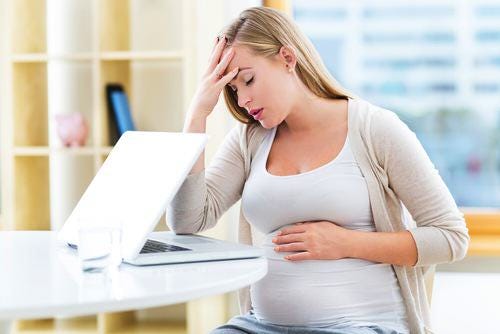
Steps to Manage Blood Pressure in Pregnancy:
1. What Does “Blood Pressure in Pregnancy” Mean?
Blood pressure (BP) reflects how much force your blood exerts against the walls of your arteries. In pregnancy, your body undergoes significant cardiovascular changes: blood volume increases, heart rate rises, and blood vessels adapt — which can influence BP readings. According to March of Dimes, high BP during pregnancy includes both chronic hypertension (existing before pregnancy or before 20 weeks) and gestational hypertension (new onset after 20 weeks)
High BP during pregnancy can increase risks for both mother and baby — including preeclampsia, pre-term birth, placental problems and growth restriction.
2. Why Is Elevated Blood Pressure a Concern in Pregnancy?
When BP remains high or rises significantly in pregnancy, it puts extra strain on the heart, kidneys and placenta. Some of the major risks include:
- Development of Preeclampsia (high BP plus organ involvement)
- Placental abruption (placenta separating early)
- Restricted fetal growth or low birth weight due to compromised blood flow
- Higher likelihood of Caesarean delivery, maternal complications and future cardiovascular disease
Given these risks, proactive management of BP in pregnancy becomes an important part of prenatal care.
3. Common Types & Causes of High Blood Pressure in Pregnancy
Understanding the type can help tailor the natural support strategies.
a) Chronic Hypertension
Occurs when a woman has high BP before pregnancy or before 20 weeks. It may persist after birth.
Often associated with underlying cardiovascular risks, obesity, family history.
b) Gestational Hypertension
Newly developed high BP after 20 weeks, without protein in urine (yet). It may resolve after delivery.
c) Pre-existing conditions & lifestyle factors
A number of contributors for elevated BP in pregnancy include:
- Obesity or overweight before pregnancy
- Sedentary lifestyle, poor diet rich in sodium, processed foods
- High stress, insufficient sleep, high caffeine or other stimulants
- Nutrient imbalances (low potassium, magnesium or calcium)
- Family history of hypertension or preeclampsia
4. How to Monitor & Assess Blood Pressure in Pregnancy
- Regular prenatal visits: BP is checked at each visit and urine is tested for protein as part of standard care.
- At-home monitoring: For some women, home BP monitoring may be advised by the provider.
- Know your numbers: Normal is generally around or below 120/80 mmHg. Elevated risk begins when systolic pressure exceeds ~140 or diastolic ~90 mmHg in pregnant context.
- Keep a log: Monitor readings, symptoms (swelling, headaches, visual changes) and report changes to your provider.
5. Natural Strategies and Lifestyle Adjustments to Support Healthy BP
These strategies work best when used in conjunction with prenatal care. Always consult your obstetrician before starting new routines.
a) Nutrition & Diet
- Choose a diet rich in vegetables, fruits, whole-grains, lean protein and healthy fats. These support cardiovascular health and BP.
- Reduce sodium intake: Processed/canned foods, ready-to-eat meals often have high salt; excess sodium raises BP.
- Increase potassium-rich foods (which help balance sodium) like bananas, potatoes, greens, beans.
- Ensure adequate calcium and magnesium intake, which may reduce risk of gestational hypertension.
- Monitor weight gain: sticking to provider-recommended weight gain in pregnancy reduces stress on cardiovascular system.
b) Physical Activity & Movement
- Moderate physical activity (brisk walking, prenatal yoga, swimming) is safe for most pregnant women and helps lower BP.
- Avoid prolonged sedentary periods; break sitting time with short walks or gentle movement.
- Always check with your doctor before starting any exercise regimen.
c) Stress Management & Sleep
- Chronic stress elevates blood pressure. Practices like deep breathing, meditation, prenatal yoga, and adequate sleep are helpful.
- Prioritise sleep: aim for consistent sleep hours and restful sleep, as poor sleep can contribute to hypertension.
d) Prenatal Check-ups & Following Medical Advice
- Attend all scheduled prenatal visits. Early detection and management of BP issues are key.
- If medication is prescribed or low-dose aspirin advised (for those at risk of preeclampsia), follow the provider’s guidance.
- Home BP monitoring may be recommended. Record readings and share with your provider.
6. Practical Daily Routine for Supporting Healthy BP in Pregnancy
Here’s a suggested routine you can adapt (always under your obstetrician’s guidance):
- Morning: Light stretching or prenatal yoga for 15–20 minutes; breakfast with whole grains + fruit + lean protein; 1 glass of water; low-salt meal.
- Midday: Take short walk after lunch; snack on potassium-rich fruit (e.g., banana) and handful of unsalted nuts.
- Afternoon: Work/study with regular breaks—stand up, walk for 5 minutes each hour; manage stress by closing eyes and taking deep breaths for 2–3 minutes.
- Evening: Dinner filled with vegetables, lean protein (beans, lentils, fish/oil if recommended), whole grain; avoid heavy salt, caffeine; gentle walk post-meal.
- Before Bed: Sleep ritual—warm bath, light reading, avoid screens; aim for consistent sleep schedule and at least 7 hours. Monitor BP as recommended.
7. What to Expect: Realistic Outcomes & When to Be Concerned
- With consistent lifestyle support and medical care, many cases of gestational hypertension can be managed and may resolve after delivery.
- If your BP remains elevated or increases significantly (e.g., above 160/110 mmHg), or if symptoms like headache, visual changes, swelling occur — immediate medical attention is required. Wikipedia
- Achieving “normal” BP does not guarantee zero risk, but lowers risk of complications and supports healthier outcomes for mother and baby.
8. When Natural Strategies Alone Are Not Enough
- If your provider diagnoses preeclampsia, you may need medication, closer monitoring, possible early delivery.
- Certain BP medications safe in pregnancy may be prescribed; never stop medications without consulting your obstetrician.
- If you have chronic hypertension before pregnancy, you’ll need individualized care and may need to continue BP-meds both during and after pregnancy.
9. Myth-Busting & Answers to Common Questions
- Myth: “No exercise allowed if I have high BP in pregnancy.” → Fact: Many women with controlled BP can safely do moderate exercise—always check with doctor.
- Myth: “If I follow a diet strictly, I won’t need medication.” → Fact: Lifestyle support is vital, but some women still require medication; it’s about reducing risk, not eliminating care.
- Myth: “If BP goes back to normal after delivery, no further concern.” → Fact: Women with gestational or chronic hypertension have higher likelihood of long-term cardiovascular risk; follow-up is important.
Managing blood pressure in pregnancy is about steady support, smart lifestyle choices, professional monitoring, and working collaboratively with your healthcare provider. By prioritizing a nutrient-rich diet (low sodium, high potassium), staying active, managing stress, maintaining healthy weight gain and attending prenatal care, you’re giving both you and your baby the best chance of a healthy outcome.