Table of Contents
If you’re looking to understanding how to improve liver function and strengthen it naturally, you’re in the right place. Your liver plays a vital role in detoxification, metabolism, nutrient storage, and keeping your body in balance—and by adopting smart diet, lifestyle and environmental habits, you can support your liver’s health and resilience.
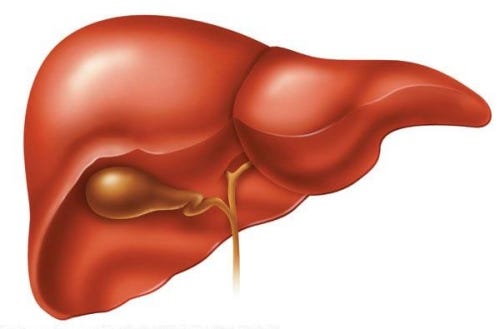
Steps to Improve Liver Function and Strengthen It Naturally:
1. Why Your Liver Function Matters
The Liver is one of the most metabolically active organs in your body. It:
- filters toxins and wastes from the blood,
- produces and secretes bile to digest fats,
- stores vitamins and nutrients (A, D, E, K, B12), and
- processes carbohydrates, fats and proteins into usable energy.
When liver function is impaired, you may see elevated liver-enzyme levels (ALT, AST), fatty liver accumulation, fatigue, digestion issues, or more serious disease. Elevations in ALT are strongly linked to lifestyle factors and are modifiable with natural supports.
Therefore, learning how to improve liver function and strengthen it naturally is not just a health trend but a real wellness investment.
2. Major Factors That Weaken Liver Function
Before you can strengthen your liver, it’s useful to know what stresses it most:
- Excess alcohol: Regular heavy drinking places major load on liver and can lead to fatty liver, inflammation and scarring.
- Excess body fat / obesity / metabolic issues: Fatty liver (non-alcoholic) is now one of the fastest rising liver-disease causes.
- Poor diet: High intake of sugary drinks, processed foods, high saturated fat, and low fresh produce weakens liver resilience.
- Sedentary lifestyle and inactivity: Lack of exercise reduces the liver’s ability to process fat and toxins.
- Overuse of certain medications, environmental toxins and herbs: The liver must metabolize everything you ingest—including supplements and chemicals—so unnecessary loads reduce its efficiency.
- Chronic stress, poor sleep, toxin exposure: These indirect factors also impact liver recovery, regeneration and its ability to perform optimally.
3. Core Principles: How to Improve Liver Function Naturally
Here are broad, foundational approaches:
a) Clean, Balanced Diet
- Emphasise whole foods: plenty of vegetables, fruits, whole grains, legumes, healthy fats (olive oil, nuts, seeds).
- Avoid or limit processed foods, sugary drinks, high-fat fast food, refined carbs.
- Include liver-supportive foods: e.g., garlic, leafy greens, berries, grapefruit, oatmeal, green tea—all of which show positive associations with improved liver metrics.
- Maintain a healthy weight: reducing excess body fat is one of the strongest ways to reduce liver stress and fat build-up.
b) Regular Physical Activity
- Aim for at least 150 minutes of moderate exercise per week (walking, swimming, cycling) or equivalent. Movement helps reduce liver fat, improves insulin sensitivity and supports detox processes.
- Include strength or resistance training 2–3 times a week to boost metabolic health and support the liver indirectly.
c) Hydration & Rest
- Drinking enough water supports liver detoxification and fluid balance in the body. Dehydration can impair liver function.
- Good sleep is important: during sleep the liver does key regenerative work. Poor sleep or disruption can hamper that. Also stress-recovery helps the liver.
d) Limit Toxin Exposure & Alcohol
- Minimise alcohol intake: If you drink, stay within recommended limits or avoid altogether if you have existing liver burden.
- Be cautious with over-the-counter medications (e.g., acetaminophen), herbal supplements that may tax the liver, exposure to chemical solvents or polluted air.
- Choose safer personal-care products, well-ventilated cleaning supplies, avoid smoking or second-hand smoke.
e) Targeted Nutrient & Herbal Support
While lifestyle changes are primary, certain nutrients/herbs show promise in supporting liver health:
- Herbs like Milk Thistle (silymarin) have hepatoprotective effects in some studies—but evidence is still limited and should be used under guidance.
- Nutrients: Adequate vitamins (especially D, E), minerals like magnesium and folate, antioxidants from food sources. For example folic acid improvements were noted in ALT reduction.
- Diet patterns like the Mediterranean diet (rich in olive oil, fish, legumes, vegetables) appear to support better liver outcomes.
4. Step-by-Step Practical Routine
Here’s how you can integrate actionable steps to support your liver every day:
Morning
- Start with a glass of water (ideally with a slice of lemon if no contraindication).
- Have a breakfast with whole grains (oats), fruit/berries, a source of lean protein (eggs, yogurt, legumes), and some healthy fat (nuts, seeds).
- If you drink coffee and it suits you, moderate coffee intake (3–4 cups) is associated with improved liver enzyme levels in some studies.
- Moderate movement: Walk 10-15 minutes or do light stretching.
Midday
- Lunch: Salad with colourful greens + vegetable legumes + olive oil dressing + lean protein or fish.
- Hydrate: At least 8–10 oz of water plus maybe herbal tea (green tea supports liver health).
- After lunch: 5-10 minute gentle walk or break from sitting to avoid sedentary stress.
Afternoon
- Snack: Handful of nuts or seeds + fruit (preferably berries).
- Environment check: Avoid heavy chemical exposure; if you’ve been indoors with cleaning agents or aerosols, ventilate.
Evening
- Dinner: Vegetables, whole grain (quinoa, brown rice, millet), lean protein (beans, lentils, fish) and healthy fat (olive oil). Limit red meat and processed foods.
- Hydrate and reduce alcohol or sugary drinks.
- After dinner: Light movement or stretch; avoid late heavy snacking.
- Wind-down for sleep: One hour before bed, deactivate screens, practice a relaxation exercise—this supports liver regeneration.
- Sleep: Aim for 7–9 hours of quality sleep.
Weekly / Monthly
- At least 2-3 alcohol-free days per week (or more if you have liver risk).
- Move more than baseline: On two days include more activity (long walk, bike ride).
- At least once a week choose a “clean food day”—minimally processed foods, high fiber, less salt, no added sugar.
- If overweight or with fatty-liver risk: set a moderate weight-loss goal (5-10 % of body weight) which has been shown to improve liver metrics.
5. What to Expect: Outcomes & Timeline
- With consistent lifestyle changes, many people see improved liver enzyme values (ALT/AST) and reduced liver fat within 3-6 months.
- More significant improvements (e.g., reversal of fatty-liver changes) may take 6-12 months or longer depending on baseline health.
- If liver damage is advanced (fibrosis, cirrhosis) lifestyle support remains important but may not fully reverse damage—early intervention is far better.
- The goal is not “detox” (the liver detoxifies itself) but supporting liver resilience, reducing burden, and maintaining its capacity.
6. When to Seek Medical Evaluation
If you notice any of the following, see a healthcare provider promptly:
- Unexplained fatigue, jaundice (yellowing of skin/eyes), abdominal swelling or pain.
- Persistently elevated liver enzyme tests (ALT/AST) or imaging shows fatty liver/fibrosis.
- History of heavy alcohol use, viral hepatitis, medications or toxins known to harm liver.
- Sudden weight loss, confusion, bleeding or other signs of liver failure.
While natural strategies are effective for many, they complement—but do not replace—medical diagnosis and treatment.
Final Thoughts
Learning how to improve liver function and strengthen it naturally is about consistent choices—what you eat, how you move, what you expose yourself to, how you rest. The liver is tough, resilient and adaptive—but it thrives when you treat it well. By integrating a clean diet, regular exercise, hydration, minimal toxins, and mindful support, you give your liver the best chance to function optimally and keep you healthy for the long-term.