Table of Contents
If you’re looking to discover how to get rid of baby eczema naturally, you’re in the right place. Baby eczema (also known as infantile atopic dermatitis) can cause red, itchy, and irritated patches of skin that worry both parents and little ones—but with gentle, safe home-based strategies, you can support your baby’s skin barrier, calm flare-ups and promote comfort without relying solely on strong medications.
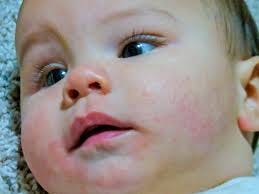
How to Get Rid of Baby Eczema Naturally: A Comprehensive Guide
1. What Is Baby Eczema and Why It Happens
Baby eczema is a form of atopic dermatitis common in infants and young children. Their skin barrier is thinner, more sensitive and more prone to irritation from allergens, dryness, heat, friction or even drooling/feeding. Some of the key factors include:
- Immature skin barrier and high transepidermal water loss (meaning babies lose moisture more easily)
- Genetic predisposition (family history of eczema, asthma or allergies)
- Environmental triggers (dust mites, pet dander, heat/sweat, fabrics)
- Irritants and contact allergens (fragrances, harsh soaps, wet diapers)
- Microbiome imbalance (bacteria or inflammation on the skin surface)
Because of these reasons, managing baby eczema naturally revolves around improving the skin barrier, reducing triggers, and nurturing comfort and hydration. (See multiple sources on natural baby eczema care)
2. Gentle Bathing & Skin-Care Routine
A calm skin-care routine is foundational to natural eczema relief:
Bathing
- Use lukewarm water, not hot (hot water strips oils).
- Keep bath times short (5-10 minutes typically), especially in flare-ups.
- Use a very mild, fragrance-free cleanser, preferably just once daily or less if baby’s skin is very irritated.
- Add colloidal oatmeal to the bath (¼-1 cup or as recommended on product) to soothe redness and itching.
- After bath, gently pat dry the skin—do not rub—and apply moisturiser within 3 minutes while skin is still slightly damp.
Moisturising
- Choose thick, fragrance-free ointments or creams rather than light lotions. These help lock in moisture and protect the barrier.
- Natural oils like virgin coconut oil, cold-pressed sunflower oil, or jojoba oil can be used for their emollient and anti-inflammatory properties.
- Apply moisturiser generously: after bath and again during day if skin looks dry or baby is uncomfortable.
3. Natural Home Remedies & Supportive Tactics
Here are some tried-and-true natural supports that complement your routine:
- Coconut oil: Cold-pressed virgin coconut oil is safe for many babies and has antibacterial + skin-barrier support properties.
- Shea butter: Rich in fatty acids, helpful for dry skin and barrier support.
- Sunflower seed oil: Applied right after bathing (to damp skin) helps lock in moisture and reduce inflammation.
- Aloe vera gel: Pure, fragrance-free aloe vera soothes redness and itching in delicate baby skin.
- Chamomile tea compress or bath: Cooling, gentle method for calming irritated areas.
- Humidifier: Especially in dry climates or winter, maintaining moderate indoor humidity (around 40-60 %) helps prevent skin drying.
4. Trigger-Reduction & Environmental Adjustments
To help your baby’s eczema improve, it’s not only what you add that matters but also what you remove or reduce:
- Use 100% cotton or breathable fabrics, avoid wool or synthetic scratchy materials.
- Dress baby in loose-fitting clothes, avoid overheating and heavy layers. Sweat can aggravate eczema.
- Choose fragrance-free, dye-free laundry detergents, gentle bath products. Even “unscented” may include hidden fragrance.
- Keep nails trimmed, and consider mittens or soft gloves for babies who scratch in sleep. (Scratching worsens lesions)
- If indoor air is very dry or heating/AC is on, use a humidifier; avoid smoke/pet dander exposure, allergens.
- Monitor diet and potential food triggers (if solids introduced)—some babies may react to cow’s milk, eggs, soy, nuts. Work with paediatrician.
5. When to Call a Paediatrician
While natural measures are powerful, eczema in babies sometimes requires professional care. Seek medical advice if you notice:
- Intense itching that disrupts sleep or feeding
- Patches that bleed, ooze, become infected (yellow crust, pus, strong smell)
- Widespread rash, involving face, scalp, body beyond typical flex-areas
- No improvement after consistent home-care for several weeks
- Suspected food allergy or eczema + asthma/wheeze symptoms
6. Putting It All Together: A Sample Routine
Morning:
- Quick lukewarm bath (if needed) with oatmeal soak or plain water; pat dry.
- Apply a thick cream or oil to damp skin. Dress baby in soft cotton.
- Ensure ambient temperature/humidity comfortable.
Mid-day:
- If baby’s skin appears dry or irritant exposed (sun, sweat), apply a light layer of natural oil.
- After meals/solids, wipe gently, avoid harsh soaps, re-apply moisturiser as needed.
Evening:
- Gentle bath if needed, repeat moisturiser within 3 minutes.
- Dress baby in breathable nightwear, use humidifier if necessary.
- Avoid scratching: keep nails short, use mittens if needed.
During Flare-ups:
- Increase applications of emollient to 2-3 times/day.
- Consider a soothing compress (cool cloth, chamomile tea) on irritated patches.
- Avoid known irritants (laundry, fragrance, heavy creams).
- Remain consistent with moisturisation even when rash improves.
7. Realistic Expectations & Patience
- Natural methods help reduce frequency, severity and discomfort of baby eczema, but they don’t “cure” it overnight.
- Many babies improve significantly over 4-8 weeks of consistent care.
- Setbacks (cold/heat, new foods, illness) may trigger flares—these methods help minimise them.
- Progress matters more than perfection: softer skin, less redness, calmer baby.
- Keep a simple log (rash location, triggers, what worked) to identify patterns and refine care.
When your goal is how to get rid of baby eczema naturally, the key is creating a foundation of gentle, barrier-supportive care and reducing triggers. Bath wisely, moisturise generously, choose protective fabrics, apply safe natural oils, and adjust the environment. With consistency and love, your baby’s skin can calm, comfort can return—while you empower yourself with knowledge and routine. And always remember: your paediatrician and dermatologist are valuable partners if things don’t improve.