Table of Contents
If you’re looking for effective ways on how to fight symptoms of menopause, you’ve come to the right place. Menopause brings a wide range of changes—from hot flashes and night sweats to mood shifts and sleep troubles—but with the right mix of lifestyle, nutrition and smart habits, you can navigate this phase more comfortably and confidently.
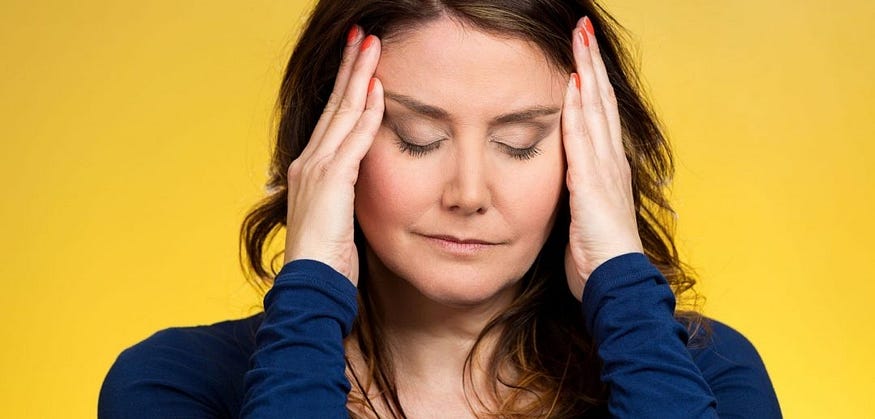
How to Fight Symptoms of Menopause: A Detailed, User-Friendly Guide
Menopause marks the end of menstrual cycles, typically diagnosed after 12 months without a period. As hormone levels—especially estrogen and progesterone—drop, many women begin to experience symptoms. The good news: while menopause is a normal biological transition, many symptoms are manageable with smart, evidence-based habits.
1. Know the Key Symptoms
Understanding what you might face helps you act proactively. Common symptoms include:
- Hot flashes and night sweats.
- Sleep disturbances and insomnia.
- Mood changes, irritability or brain fog.
- Vaginal dryness, urinary changes.
- Changes in weight, bone density, cardiovascular risk.
Knowing these helps you focus on the most relevant strategies.
2. Lifestyle Foundations to Manage Symptoms
A) Stay Active
Regular physical activity supports mood, sleep, bone health and weight management—each important during menopause. Aerobic exercise plus resistance training are recommended.
B) Sleep & Stress Management
One of the biggest complaints is disrupted sleep. Focus on:
- A regular sleep schedule.
- A cool, comfortable bedroom environment.
- Relaxation techniques (deep breathing, meditation, mindfulness) to ease mood and flashes.
C) Avoid Triggers
Hot flashes and night sweats often worsen with triggers like:
- Spicy foods, caffeine, alcohol.
- Overheating, heavy blankets or tight clothing.
By identifying your personal triggers you can reduce flare-ups.
3. Nutrition & Dietary Adjustments
Eat to Support Hormonal and Bone Health
- Include plenty of fruits, vegetables, whole grains and lean proteins.
- Focus on bone-friendly nutrients: calcium and vitamin D to offset post-menopausal bone loss.
- Consider phyto-estrogens (plant compounds with mild estrogen-like activity) such as soy, flaxseed, legumes—may help ease some symptoms.
Eat Regularly & Avoid Big Spikes
- Skipping meals or heavy sugar/refined-carb intake can worsen mood swings, energy dips and weight changes.
- Stay hydrated—sometimes symptoms are aggravated by dehydration which exacerbates heat intolerance or dryness.
4. Environmental & Practical Habits
- Dress in layers to quickly adjust if you get a hot flash rather than overheating.
- Keep your bedroom cool, use a fan or breathable fabrics at night to combat night sweats.
- Ventilate your space and avoid heavy blankets when possible.
- Wear breathable, natural-fiber clothing (cotton, linen) to reduce skin irritation or heat accumulation.
- Track your symptoms—use a diary or app to note what worsens your symptoms (foods, stress, environment) to help you make adjustments.
5. Targeted Strategies for Specific Symptoms
Hot Flashes & Night Sweats
- Choose cooler environments; avoid heavy bedding; reduce spicy/caffeine/alcohol intake.
- Practice paced breathing or relaxation when a flash begins.
Sleep Problems
- Avoid screen time right before bed; keep the room dark & cool.
- Try gentle evening exercise or a calm pre-bedtime ritual.
Mood/Brain Fog
- Stay socially active, mentally engaged. Exercise and nutrition support brain health.
Vaginal/Urinary Changes
- Use water-based lubricants or moisturisers for dryness. Kegel exercises improve pelvic floor strength.
Bone & Heart Health
- Weight-bearing exercise, diet rich in calcium/vitamin D, avoid smoking and excess alcohol.
6. When to See a Healthcare Professional
Menopause is natural, but you should consult a doctor if you have:
- Severe symptoms interfering with daily life.
- Irregular bleeding after menopause.
- History of breast disease, heart disease or risk factors that need assessment.
Your healthcare provider can discuss options like hormone therapy (HT/HRT), non-hormonal medications or supplemental support if lifestyle alone isn’t sufficient.
7. Putting It All Together: A Week-by-Week Plan
Week 1: Focus on sleep hygiene and moderate exercise (30 minutes/day). Begin symptom tracking.
Week 2: Adjust diet—include more vegetables and switch from high-caffeine/spicy foods to milder-options.
Week 3: Introduce strength training 2× this week. Practice relaxation breathing once daily.
Week 4: Review symptom tracker—identify top 2 triggers (food, environment, stress) and plan to adjust accordingly.
Ongoing:
- Keep the plan flexible—menopause is dynamic.
- Celebrate small wins (better sleep, fewer hot flashes).
- Reassess every 4–6 weeks and adjust as needed.
Realistic Expectations & Patience
- You may notice improvements (fewer flashes, better sleep, more stable mood) within 4–8 weeks of consistent lifestyle changes.
- Some symptoms may ease much slower (bone density, weight changes)—these require ongoing vigilance.
- The goal isn’t perfect elimination of symptoms, but better management, improved quality of life and fewer disruptions.
- Menopause isn’t a failure—it’s a transition. Your response, habits and environment matter tremendously.
When asking how to fight symptoms of menopause, it’s about creating a comprehensive plan: smart nutrition, consistent exercise, good sleep, trigger avoidance and when needed, professional support. You have more control than you might feel right now. With time, patience and self-care, you can navigate menopause with strength and comfort—not simply endure it.
FAQs About How to Fight Symptoms of Menopause
What are the common symptoms of menopause?
Menopause can bring a variety of symptoms including hot flashes, night sweats, sleep problems, mood changes (such as irritability or anxiety), vaginal dryness, changes in libido, memory or concentration “fog”, and changes in weight or bone health.
How soon should I act once menopause symptoms begin?
It’s best to start early: once you notice symptoms like irregular periods, hot flashes or sleep disturbances, implementing supportive lifestyle changes (diet, exercise, sleep hygiene, stress management) can help reduce the severity and length of symptoms.
What diet changes help fight menopausal symptoms?
A healthy diet rich in fruits, vegetables, whole grains, lean protein and healthy fats is beneficial. Limiting caffeine, alcohol and spicy foods (which can trigger hot flashes) and including foods with phytoestrogens (like soy, flaxseed, legumes) may also help.
Does exercise really make a difference?
Yes. Regular physical activity—including aerobic exercise, strength training and more gentle forms like yoga or tai chi—can improve mood, sleep, bone health, hot flashes and overall well-being during menopause.
How do sleep issues relate to menopause and how can I improve them?
Sleep disturbances are common during menopause due to hormone changes, night sweats or mood shifts. Good sleep hygiene—keeping a consistent schedule, cooling the room, limiting screens before bed, avoiding caffeine late—can make a big difference.
Should I consider hormone therapy or other medical treatments?
Medical treatments like menopausal hormone therapy (MHT or HRT) can relieve symptoms, but they carry benefits and risks. Non-hormonal medications, lifestyle interventions and topical treatments for specific symptoms (e.g., vaginal dryness) are also options. It’s important to consult a healthcare provider for personalised advice.
When should I see a doctor about my menopause symptoms?
You should consult your healthcare provider if your symptoms are severe, impairing your quality of life, or if you experience unusual bleeding, very heavy hot flashes, mood disturbances or signs of bone or heart issues.
Can I manage menopause naturally without medication?
Many symptoms can be managed or reduced significantly through lifestyle measures: healthy diet, regular exercise, stress management, sleep improvement, avoiding known triggers and maintaining a healthy weight. While this may not replace all medical treatments, it forms a strong foundation.
What are common triggers of menopause symptoms that I can avoid?
Triggers vary but common ones include: hot/spicy foods, caffeine, alcohol, smoking, tight or heavy clothing during hot flashes, excessive heat exposure, and high stress levels. Identifying your personal triggers helps you reduce symptom frequency or intensity.
How long do menopausal symptoms typically last?
The duration varies widely between individuals. For many women, hot flashes and other symptoms may last several years into the post-menopause period. Early intervention and supportive habits may lead to shorter or milder experiences.