Table of Contents
Migraine is more than just a headache—it’s a complex neurological condition that can cause throbbing pain, nausea, extreme sensitivity to light or sound, and even visual disturbances. Coping with migraine attacks effectively requires a mix of immediate relief strategies, preventive lifestyle changes, and long‑term habits. This article explores evidence‑based techniques to reduce frequency, minimize severity, and improve your quality of life.
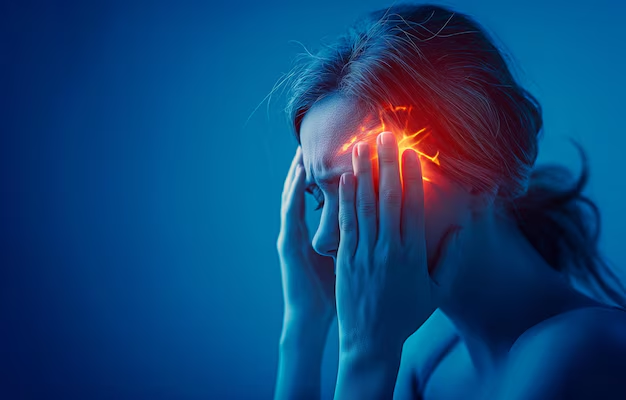
What Is a Migraine & Why It’s More Than “Just a Headache”
- A migraine is a recurring neurological disorder, often with phases (prodrome, aura, headache, postdrome).
- Symptoms go beyond pain: nausea, vomiting, light/sound sensitivity, sometimes dizziness or visual phenomena.
- Triggers vary: stress, hormonal changes, sleep irregularities, certain foods/drinks, environmental factors.
- The goal in management: reduce frequency, shorten attacks, control symptoms during an episode.
What the Research Suggests: Key Findings
- Cold compresses, cooling wraps, and other cold interventions can significantly lessen migraine pain within ~30 minutes.
- Regular aerobic exercise, yoga, and stress‑management practices reduce the frequency, duration, and intensity of migraines.
- Maintaining hydration and stable eating patterns helps both prevent attacks and ease symptoms during attacks.
- Sleep hygiene (consistent sleep and wake times, limiting screen use before bedtime, a dark, quiet bedroom) is strongly linked with fewer migraine days.
Coping With a Migraine Attack: Immediate Relief Strategies
Here are methods you can use at the onset of a migraine to help ease the pain and reduce intensity:
| Strategy | What to Do | Why It Helps / Tips |
|---|---|---|
| Dark, quiet rest | Move to a dimly lit, silent room. Lie down, reduce light and noise. | Reduces sensory overstimulation, helps calm heightened nerve response. |
| Cold or warm compresses | Apply cold pack or warm towel to forehead, neck, or temples. | Cold helps reduce blood vessel dilation; warm relieves muscle tension. Try both and see which works better for you. |
| Hydration | Drink water or electrolyte solutions; avoid dehydration. | Dehydration can worsen migraine symptoms. Restoring fluids may reduce severity. |
| Gentle movement / stretching | Light stretching, neck massage, relaxing gentle yoga poses. | Helps relieve muscle tension, improve circulation. Avoid vigorous activity during attack. |
| Caffeine (in moderation) | A small cup of coffee or tea may help if you tolerate caffeine; avoid overuse and sudden withdrawal. | Caffeine can help constrict dilated blood vessels, but also can trigger headaches if used irregularly. |
| Essential oils or scents | Inhale lavender or peppermint; apply diluted oils to temples. | Some preliminary studies show lavender reducing frequency/severity; scent may have calming, analgesic effect. |
Long‑Term Prevention: Lifestyle & Habit Changes
To reduce how often attacks happen, and how hard they hit, incorporating preventive measures is vital:
- Regular Sleep Schedule
- Go to bed and wake up at the same time daily.
- Good sleep environment: dark, quiet, cool.
- Avoid screens or heavy meals close to bedtime.
- Identify & Avoid Triggers
- Keep a migraine diary/log: record what you eat, weather, sleep, stress, menstrual cycles, etc.
- Common dietary triggers: aged cheeses, processed meats (nitrates), caffeine changes, alcohol, MSG, skipping meals.
- Diet & Hydration
- Eat balanced meals on a regular schedule.
- Maintain steady blood sugar (avoid long gaps without food).
- Drink enough water; include electrolyte‑rich fluids especially during heat or exercise.
- Exercise & Movement
- Engage in regular aerobic exercise (walking, cycling, swimming).
- Include flexibility, yoga, or other gentle forms for tension relief.
- Avoid overexertion; warm up carefully.
- Stress Management
- Techniques: meditation, deep breathing, progressive muscle relaxation, guided imagery.
- Consider hobbies, leisure, social support—anything that reduces psychological and emotional stress.
- Sleep & Rest
- Don’t ignore early signs of fatigue.
- Use naps wisely; avoid long naps late in day that disrupt night sleep.
- Prioritize rest during prodrome or early attack phase.
- Medical / Therapeutic Options
- Talk with a healthcare provider about preventive medications if attacks are frequent/severe.
- Consider therapies like acupuncture, biofeedback, neuromodulation, cognitive behavioral therapy.
Practical Tips for When You’re Under Attack
- Have a “migraine kit” ready: cold pack, water bottle with electrolyte drink, over‑the‑counter pain relief (if you use them), eye mask, earplugs.
- Use dim, non‑flickering lights; wear sunglasses indoors/outdoors if needed.
- Reduce noise: headband, earplugs, quiet room.
- Distraction can sometimes help: soft music, guided meditation, focusing on breathing.
- Remain as calm as possible; anxiety or panic can amplify pain.
What to Watch Out For: Red Flags & When to Seek Help
- If migraine is accompanied by sudden vision loss, paralysis, slurred speech, high fever, or signs of stroke—you need medical attention immediately.
- If attacks become more frequent, more severe, or unresponsive to your usual coping methods.
- If medication overuse is possible (when you use pain relievers too regularly, which can lead to “rebound” headaches).
- If migraine significantly interferes with daily life, or you develop depression/anxiety as a result.
Frequently Asked Questions (FAQs)
Q1. How quickly should relief strategies work?
A: Some techniques (hydration, cold compress, resting in a dark room) may provide relief within 30 minutes to an hour. Others (like lifestyle changes and trigger avoidance) take weeks to months to show full benefits.
Q2. Can migraines be completely prevented?
A: Not always—some triggers and attack types are harder to control—but you can often significantly reduce their frequency and severity.
Q3. Are natural remedies safe?
A: Many are safe, but individual responses vary. Essential oils should be properly diluted. If you have allergies, skin conditions, or are pregnant, check with your doctor.
Q4. How much water should I drink during an attack/prevention?
A: Aim to keep up with your normal daily needs (varies by weight, climate, activity), plus extra during an attack or after dehydration (heat, vomiting, etc.). Electrolyte drinks can help.
Q5. Can diet alone stop migraines?
A: Diet plays a big role, but combination with sleep hygiene, stress management, exercise, and sometimes medical or therapeutic interventions usually works best.
Sample 4‑Week Migraine Management Plan
| Week | Focus Areas | Actions to Take |
|---|---|---|
| Week 1 | Awareness & Trigger Tracking | Start a migraine diary: note triggers, frequency, symptoms. Improve hydration and sleep schedule. |
| Week 2 | Lifestyle Adjustments | Introduce moderate daily exercise, experiment with stress techniques (meditation, deep breathing). Identify one or two dietary triggers to limit. |
| Week 3 | Environmental & Coping Tools | Set up your “migraine kit.” Practice using dark/quiet rest, compresses. Adjust lighting at work/home. |
| Week 4 | Review & Fine‑Tune | Analyze diary; talk with doctor if needed. Lock in routines: consistent meals, sleep, stress management. Evaluate impact in frequency/severity. |
Migraine attacks can be debilitating, but with a combination of immediate relief strategies and preventive lifestyle changes, you can reduce how often they happen, how severe they are, and how long they last. Key steps are identifying your triggers, maintaining consistent sleep and diet, staying hydrated, managing stress, and using coping tools like cold compresses, dark quiet rest, and possibly medical help when needed. Always consult healthcare providers for frequent or severe migraines or when symptoms change
Tags: coping with migraine attacks, home remedies for migraine, how to stop migraine at home, migraine relief tips, natural migraine prevention routine, prevent migraine naturally