Table of Contents
If you’re interested in how to control blood pressure without medicine, you’re taking a smart step—because while medications have their place, many people can significantly improve their blood pressure through lifestyle, diet and simple habits. This extensive guide dives deep into evidence-based, practical ways to support healthy blood pressure naturally and sustainably.
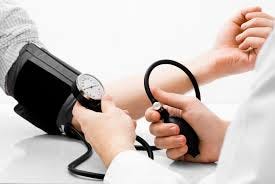
How to Control Blood Pressure Without Medicine: A Detailed, User-Friendly Guide
1. Understanding Blood Pressure & Why Natural Approaches Matter
Blood pressure measures the force your heart uses to pump blood through your arteries. Two numbers matter: systolic (top) and diastolic (bottom). Chronically elevated blood pressure (hypertension) puts strain on your heart, kidneys, brain and blood vessels, increasing risks of stroke, heart disease and kidney damage.
While medicines are essential for many people, there is strong evidence that lifestyle changes alone can lower blood pressure significantly—sometimes reducing the need for, or dose of, medications.
So your question becomes: how to adopt and maintain those natural changes so you control blood pressure rather than simply react to it.
2. Weight & Waistline: Foundational Impact
One of the most powerful changes you can make is achieving and maintaining a healthy weight. According to guidance from Mayo Clinic, losing even 1 kg (≈2.2 lb) can reduce systolic blood pressure by ~1 mm Hg.
Monitoring your waist circumference matters too: excess fat around the abdomen strains cardiovascular and metabolic systems. For men, a waist > 40 in (102 cm) and for women > 35 in (89 cm) is considered higher risk.
Practical tips:
- Use a food diary or app for 1–2 weeks to understand eating habits.
- Aim for gradual weight loss (≈0.5–1 kg per week) rather than crash diets.
- Pair calorie-controlled intake with increased activity (see next section).
- Focus not just on the scale but health-metrics: waist size, resting BP, stamina.
3. Exercise & Movement: Raise the Floor, Lower the Peaks
Regular physical activity is a confirmed strategy to lower blood pressure. Aerobic exercise (brisk walking, cycling, swimming) for ~150 minutes/week can lower systolic BP by 5–8 mm Hg.
What to do:
- Aerobic: Aim for 30–40 minutes most days; if busy, break into shorter 10-15 min bursts.
- Strength/Resistance: 2-3 times/week helps vascular health and metabolic control.
- Non-exercise movement: Stand more, take stairs, reduce sedentary time.
- Consistency matters: Stopping the routine can reverse the benefits.
4. Eat Smart: Diet That Supports BP Control
A) The DASH/Mediterranean Approach
Diets rich in fruits, vegetables, whole grains, lean protein and low-fat dairy show large benefits for blood pressure. The DASH diet is well-studied and can reduce systolic BP by up to ~11 mm Hg.
B) Reduce Sodium & Increase Potassium
- Sodium: Many sources recommend limiting to ≤ 2,300 mg/day, and for many adults ideal is 1,500 mg/day. Reducing sodium may lower BP by ~5–6 mm Hg.
- Potassium: Foods rich in potassium (bananas, spinach, sweet potatoes, beans) help counteract sodium’s effect on BP.
C) Foods & Drinks to Focus On
- Increase vegetables, fruits, legumes, nuts, seeds.
- Choose lean proteins: poultry, fish, legumes rather than fatty red meat.
- Use olive oil and other heart-healthy fats.
- Limit processed foods, sugary drinks, high saturated fat foods.
- Stay hydrated—some evidence shows dehydration may trigger mechanisms that raise blood pressure.
5. Lifestyle Adjustments Beyond Diet & Exercise
A) Alcohol, Smoking & Caffeine
- Alcohol: Keep moderate (≤1 drink/day for women, ≤2 for men) as excessive intake raises BP ~4 mm Hg or more.
- Smoking: Every cigarette raises BP temporarily; quitting helps reduce long-term BP and cardiovascular risk.
- Caffeine: Effects vary. Some people experience a short-term BP rise; test your own response.
B) Sleep & Stress Management
- Poor sleep and untreated sleep-apnea worsen hypertension risk. Aim for 7–9 hours/night and address cause of sleep disruption.
- Chronic stress triggers hormonal changes and vascular tone increases. Breathing exercises, meditation, yoga, mindfulness help reduce these effects.
6. Monitoring, Tracking & Professional Input
- Home blood-pressure monitors let you track progress and alert if things are worsening. Regular monitoring shows what’s working.
- Keep a BP log: record date/time, reading, circumstances (after exercise, after salt-heavy meal).
- Work with your healthcare provider: If your BP remains high despite lifestyle changes, medication may still be required. Lifestyle is a complement—not always a replacement.
7. Putting It All Together: A Sample Daily Routine
Morning:
- 1–2 glasses of water.
- Breakfast rich in whole-grains + fruit + lean protein + teaspoon olive oil.
- 10-minute brisk walk or mobility exercise.
Midday: - Lunch: salad/vegetables + lean protein + whole-grain carb.
- Monitor sodium by choosing fresh foods, minimal store-bought sauces.
Afternoon: - 15-minute walk or light activity.
- Snack: potassium-rich fruit (banana/kiwi) + handful of nuts.
Evening: - Dinner: vegetables, legumes/fish, whole-grain, olive oil.
- Avoid heavy meal 2-3 h before bed; stay upright as digestion occurs.
Bedtime: - Wind down with relaxation or breathing exercise.
- Sleep in a comfortable environment; address snoring/sleep apnea if present.
Weekly: - 2-3 alcohol-free days.
- Strength/resistance training 2×/week.
- Reflect in BP log, food/exercise journal—adjust next week’s plan accordingly.
8. Realistic Expectations & Patience
- Many people will see reductions of 4–11 mm Hg or more in systolic blood pressure by committing to the above changes.
- It may take several weeks to months for good results to appear; consistency matters more than perfection.
- Some individuals, especially with severe hypertension or specific causes (renal disease, endocrine disorders), will still need medications—in these cases lifestyle supports will help but not wholly substitute treatment.
Learning how to control blood pressure without medicine is about embracing a broader habit change rather than seeking a quick fix. The good news: you can make meaningful progress and improve your cardiovascular health through diet, movement, sleep, stress management and mindful living. The most lasting results come from consistency, measurement and adaptation.