Turmeric, often celebrated as the “Golden Spice” or the “Queen of Spices,” is more than just a vibrant yellow powder you add to curries. For centuries, this ancient spice has been treasured in Ayurvedic medicine, Traditional Chinese Medicine, and folk remedies worldwide. Today, modern science is catching up, confirming what traditional healers have long known: turmeric is a powerful natural healer.
Loaded with curcumin—its primary active compound—turmeric offers a wealth of health benefits, from reducing inflammation and improving heart health to strengthening immunity and supporting radiant skin.
In this comprehensive guide, we’ll dive into everything you need to know about turmeric: its history, nutritional value, proven health benefits of turmeric, home remedies, recipes, precautions, and how you can make it part of your daily lifestyle.
Table of Contents
History and Origins of Turmeric
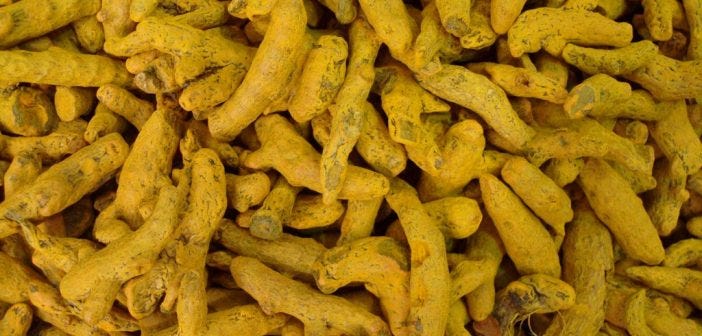
Turmeric (Curcuma longa) is a flowering plant from the ginger family (Zingiberaceae), native to South and Southeast Asia. Its bright yellow-orange rhizome has been used for over 4,000 years in cooking, medicine, and rituals.
- In India, turmeric has been central to Ayurvedic practices, often prescribed for digestive issues, skin problems, and wound healing.
- In China, it has been used to treat liver problems, menstrual disorders, and inflammation.
- In Southeast Asia, turmeric was also valued as a natural dye and ceremonial ingredient.
Today, turmeric remains a staple in kitchens and medicine cabinets across the globe, proving that ancient wisdom and modern science often go hand in hand.
Nutritional Profile of Turmeric
While turmeric is not usually consumed in large quantities, even small amounts provide valuable nutrients.
Nutrients in 1 tablespoon (7g) of turmeric powder:
- Calories: 24
- Protein: 0.5 g
- Carbs: 4.4 g
- Fiber: 1.4 g
- Fat: 0.7 g
- Vitamin C: 3% of Daily Value (DV)
- Vitamin B6: 5% of DV
- Manganese: 26% of DV
- Iron: 16% of DV
- Potassium: 5% of DV
Most importantly, turmeric contains curcuminoids (especially curcumin), which give it its medicinal power.
What Makes Turmeric Special: The Role of Curcumin
Curcumin is the active compound in turmeric responsible for most of its health benefits. It has anti-inflammatory, antioxidant, antimicrobial, and anticancer properties.
However, curcumin is poorly absorbed by the body on its own. That’s why it is often recommended to consume turmeric with:
- Black pepper (piperine): boosts absorption by up to 2000%.
- Healthy fats (coconut oil, olive oil, ghee): improve bioavailability.
Top 10 Science-Backed Health Benefits of Turmeric
1. Reduces Inflammation & Arthritis Pain
Chronic inflammation contributes to diseases like arthritis, heart disease, and cancer. Curcumin acts as a natural anti-inflammatory by blocking molecules like NF-kB, which drive inflammation.
- Studies show turmeric supplements can reduce joint pain and improve mobility in arthritis patients.
- It may work as effectively as some anti-inflammatory drugs, without the harmful side effects.
👉 Home Remedy: Mix ½ tsp turmeric + 1 pinch black pepper in warm milk for arthritis relief.
2. Boosts Immunity & Fights Infections
Turmeric has strong antibacterial, antiviral, and antifungal properties. It helps the body defend against common infections like colds, flu, and respiratory issues.
- Curcumin enhances the activity of immune cells, making your defense system stronger.
- In Ayurveda, turmeric milk (Haldi doodh) has been used for generations as a natural immunity booster.
👉 Quick Tip: Drink turmeric tea daily in winters to prevent colds.
3. Supports Heart Health & Lowers Cholesterol
Heart disease is one of the leading causes of death worldwide. Curcumin helps in multiple ways:
- Improves endothelial function (lining of blood vessels).
- Reduces LDL cholesterol and triglycerides.
- Prevents blood clot formation.
This makes turmeric an excellent natural aid for maintaining heart health.
4. Helps Manage Diabetes & Blood Sugar
Turmeric improves insulin sensitivity and lowers blood glucose levels.
- Studies show turmeric reduces the risk of developing type-2 diabetes in pre-diabetic individuals.
- It also helps prevent complications of diabetes, such as kidney damage and nerve issues.
⚠️ Note: Always consult a doctor before combining turmeric with diabetes medications.
5. May Help Prevent Cancer
Turmeric’s curcumin shows promise in fighting different types of cancers, including prostate, breast, colon, and pancreatic cancers.
- It slows the spread of cancer cells.
- Reduces tumor growth.
- Enhances the effects of chemotherapy.
⚠️ Turmeric is not a cure, but ongoing research suggests it may play a supportive role in cancer prevention and treatment.
6. Supports Brain Health & Memory
Curcumin boosts levels of BDNF (Brain-Derived Neurotrophic Factor), a protein that supports brain cell growth and protects against neurodegenerative diseases.
- May help prevent Alzheimer’s disease and dementia.
- Improves memory and mood in adults.
- Acts as a natural brain booster.
7. Aids Digestion & Gut Health
Turmeric stimulates bile production, helping with fat digestion and improving gut health.
- Relieves bloating, gas, and indigestion.
- Protects against ulcerative colitis and irritable bowel syndrome (IBS).
8. Promotes Healthy Skin & Hair
Turmeric has been a natural beauty secret for centuries.
- Fights acne-causing bacteria.
- Reduces dark spots and hyperpigmentation.
- Soothes eczema and psoriasis.
- Strengthens scalp health, reducing dandruff.
👉 DIY Face Mask: Mix turmeric + yogurt + honey for glowing skin.
9. Detoxifies the Body & Liver
Curcumin helps cleanse the liver by flushing out toxins and improving enzyme function.
- Protects the liver from damage caused by alcohol, pollution, and medications.
- Acts as a natural detox agent.
10. Enhances Mood & Reduces Depression
Turmeric has shown antidepressant effects by boosting serotonin and dopamine in the brain.
- Reduces symptoms of depression and anxiety.
- May work as an effective natural alternative to antidepressants in mild cases.
Turmeric in Ayurveda & Traditional Healing
In Ayurveda, turmeric is classified as a “tridoshic herb”, meaning it balances all three doshas (Vata, Pitta, and Kapha).
- Used in healing wounds, digestive problems, skin care, and immunity.
- Known as “Haridra” in Sanskrit, meaning “the yellow one.”
How to Use Turmeric in Daily Life
- Golden Milk (Haldi Doodh) – Bedtime immunity booster.
- Turmeric Tea – Turmeric + ginger + honey.
- Cooking – Add to curries, rice, soups, and smoothies.
- Turmeric Paste – For cuts, burns, and insect bites.
- Supplements – Standardized curcumin capsules.
Turmeric Recipes for Health & Wellness
- Golden Milk Latte – Turmeric, milk, black pepper, cinnamon, and honey.
- Turmeric Detox Tea – Boil water with turmeric, ginger, and lemon.
- Turmeric Smoothie – Blend turmeric with banana, almond milk, and chia seeds.
- Immune Booster Shot – Turmeric, black pepper, honey, and warm water.
Turmeric for Skin & Beauty Care
- Face Pack for Glow: Turmeric + gram flour + yogurt.
- Anti-Acne Pack: Turmeric + sandalwood powder + rose water.
- Hair Mask: Turmeric + coconut oil for dandruff-free scalp.
Recommended Dosage & Supplements
- Turmeric Powder: ½–1 tsp daily.
- Standardized Curcumin Supplement: 500–1000 mg/day (with piperine).
- Tincture: 15–30 drops up to 3 times daily.
Side Effects, Risks, and Precautions
- Too much turmeric may cause stomach upset or nausea.
- Avoid if you’re on blood thinners or before surgery.
- Pregnant and breastfeeding women should consult a doctor.
Common Myths vs Facts About Turmeric
- ❌ “Turmeric cures cancer.” → Turmeric helps prevent cancer cell growth but is not a cure.
- ❌ “The more turmeric, the better.” → High doses may cause side effects.
- ✅ “Black pepper increases turmeric absorption.” → True, always combine the two.
FAQs About Health Benefits of Turmeric
Can I take turmeric daily?
Yes, ½–1 teaspoon daily is safe and beneficial.
Is turmeric safe for children?
Yes, in small amounts used in food. Avoid supplements without medical advice.
Can turmeric lighten skin?
It improves glow and reduces pigmentation but doesn’t bleach skin.
Which is better – fresh turmeric root or powder?
Both are beneficial. Fresh root has higher water content; powder is more convenient.
Turmeric is more than a kitchen spice — it’s a natural superfood and medicine that supports overall health. From reducing inflammation and boosting immunity to enhancing skin health and improving mental well-being, turmeric is a timeless remedy backed by science.
Incorporating turmeric into your diet through food, teas, or supplements can help you live a healthier, more vibrant life. As the ancient saying goes:
🌿 “Let food be thy medicine and medicine be thy food.”
Tags: health benefits of turmeric, turmeric curcumin benefits, turmeric for arthritis, turmeric for cholesterol, turmeric for diabetes, turmeric for immunity, turmeric for skin, turmeric home remedies