In today’s fast-paced world, ready-to-eat foods often seem like a lifesaver. But there’s growing concern about their long-term health impacts. Below, we dive into key facts about ready-to-eat foods and why they are not healthy, helping you understand the hidden risks and make more informed food choices.
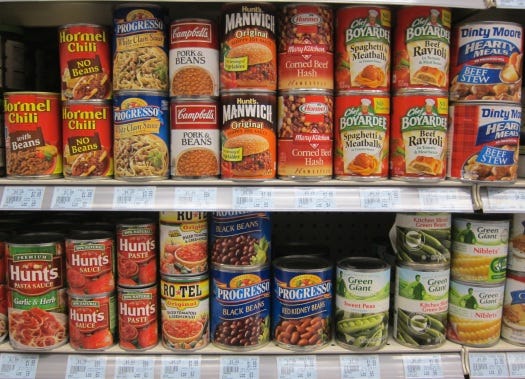
Facts About Ready-to-Eat Foods: Why They Are Often Unhealthy
1. High in Sodium, Sugar & Unhealthy Fats
- Many ready-to-eat (RTE) meals pack excess sodium to improve taste and prolong shelf life. Chronic high salt intake is linked to hypertension and cardiovascular risks.
- These meals also often contain added sugars, used to boost flavor. Overconsumption of sugar contributes to obesity, insulin resistance, and diabetes.
- Unhealthy fats — particularly saturated and sometimes trans fats — are commonly present, increasing cholesterol and heart disease risk.
2. Nutrient-Poor (“Empty” Calories)
- Most ready meals are low in dietary fiber, vitamins, and minerals because food processing tends to strip out these nutrients.
- Instead of promoting health, they largely provide “empty calories” — energy without significant nutritional value.
- Even when companies fortify these foods with synthetic vitamins, the overall benefit may not match that of fresh, whole foods.
3. Chemical Additives, Preservatives & Artificial Ingredients
- To ensure long shelf life and appealing flavors, many RTE foods use preservatives, artificial flavors, colorings, and emulsifiers.
- Such additives can lead to digestive inflammation and may disrupt gut health over time.
- Some chemical preservatives have raised concerns about potential long-term effects, including hormonal disruption or cancer risk.
4. Risk of Ultra-Processed Foods & Chronic Disease
- Ready-to-eat meals often fall under the category of ultra-processed foods (UPFs), which epidemiological studies link to increased risk of cardiovascular disease, diabetes, and even some cancers.
- A high intake of UPFs has also been associated with higher all-cause mortality, according to research.
- These foods may contribute to obesity, metabolic syndrome, and systemic inflammation.
5. Risks to Gut Health
- RTE meals can be inflammatory for the gut due to additives like artificial flavors, hidden fats, and ultra-processed ingredients.
- Lack of dietary fiber in these foods may lead to poor gut motility and imbalance in gut microbiota.
- Moreover, certain preservatives or packaging-related chemicals (e.g., BPA) may leach into food, raising additional health concerns.
6. Food Safety & Contamination Risks
- Since many RTE foods are eaten without further cooking, there’s a risk of foodborne illness if the product was contaminated during processing (e.g., listeria in deli meats).
- Improper storage or handling can also raise the risk of cross-contamination, especially for packaged foods that rely on preservatives rather than heat killing.
7. Addictive Nature & Overconsumption
- Many ready-to-eat foods are engineered to be highly palatable — loaded with salt, sugar, fat, and additives — which may encourage overeating.
- Large portion sizes common in such products make it easy to unintentionally consume more calories than needed.
- Over time, regular consumption can contribute to weight gain, obesity, and related metabolic diseases.
8. Long-Term Health Implications
Putting it all together, frequent consumption of RTE foods can lead to:
- Increased risk of hypertension, heart disease, stroke (due to high sodium and bad fats)
- Higher likelihood of type 2 diabetes (because of refined carbs and sugars)
- Risk of nutritional deficiencies because of low fiber, vitamins, and minerals
- Potential cancer risks associated with artificial additives and excessive processing
- Compromised gut health, inflammation, and metabolic distress
How to Make Smarter Choices — If You Eat RTE Foods Occasionally
- Read labels carefully: Look for lower sodium, no trans fats, minimal additives.
- Limit frequency: Treat ready meals as an occasional convenience, not a staple.
- Complement with fresh foods: Pair with vegetables, whole grains, or fresh salads to boost nutrition.
- Choose minimally processed options: Some “ready” items (like pre-washed salad, cooked beans) are much better than ultra-processed frozen meals.
- Store safely: Follow storage and reheating instructions strictly to reduce contamination risk.
Final Thoughts
While ready-to-eat foods bring undeniable convenience, they come with significant health trade-offs. High levels of sodium, sugar, unhealthy fats, additives, and minimal nutrition make many RTE meals more of a risk than a shortcut. Understanding these facts about ready-to-eat foods helps you balance convenience with wellness — and make smarter, healthier choices in your daily life.