If you’re looking to uncover the best home remedies for skin pigmentation, you’ve come to the right guide. Pigmentation—those dark spots, uneven patches and areas of melanin buildup—can affect your skin’s tone, texture and confidence. The good news? With consistent, gentle, nature-based care, you can significantly improve appearance and even out your complexion in a safe, user-friendly way.
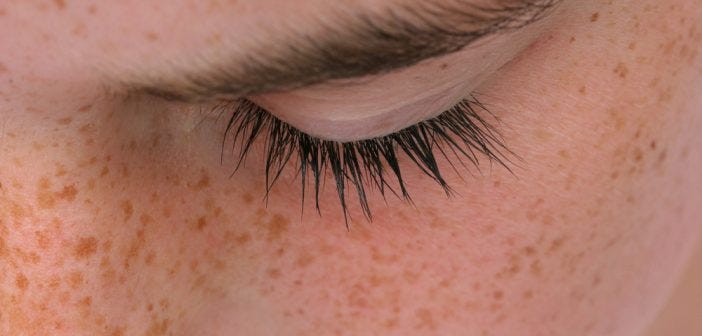
Best Home Remedies for Skin Pigmentation: A Detailed Guide
1. Understanding Skin Pigmentation: What It Is & What Causes It
Pigmentation refers to the accumulation or uneven distribution of melanin in the skin, resulting in dark spots, patches or uneven tone. Common causes include:
- Sun exposure: UV rays trigger melanin production, leading to sun spots and tanning.
- Hormonal fluctuations: Pregnancy, contraceptives, thyroid issues can spark melasma or uneven tone.
- Inflammation or skin injury: Post-inflammatory hyperpigmentation after acne, wounds or irritation.
- Ageing & free-radicals: Oxidative stress increases pigment irregularities.
- Genetics and skin-type: Some people are more prone due to skin tone, family history or sensitivity.
When you recognise the causes, you can target remedies more effectively. The goal of home remedies is to:
- Reduce melanin production or deposition
- Calm inflammation
- Exfoliate dead skin cells
- Protect from further pigment induction (sun, insult)
2. Why Home Remedies Work (and Their Limitations)
Home remedies are accessible, relatively gentle and can be repeated over weeks to months for visible results. They often use kitchen-friendly ingredients: turmeric, aloe vera, milk, papaya, green tea-extract, apple cider vinegar. For instance:
- Aloe Vera contains aloin, a natural depigmenting compound.
- Turmeric (curcumin) provides antioxidant/anti-inflammatory action and helps modulate melanin.
- Green Tea extract (EGCG) appears to reduce melanin production when applied topically.
- Apple Cider Vinegar’s acetic acid acts as a mild exfoliant and helps lighten dark spots.
However—important to recognise—they are not overnight miracles. Many home remedies lack robust clinical trials, and results are slower than in‐clinic treatments. For deeper melasma or large areas of pigmentation, dermatological advice may be needed.
3. Step-by-Step: Top Home Remedies and How to Use Them
Here are some of the most effective and well-documented remedies—complete with how to prepare, apply, frequency and tips.
A) Aloe Vera Gel
- Why: Contains aloin/aloesin which may help lighten dark spots and calm skin.
- How to Use: Apply 2 tablespoons of fresh gel to clean, dry skin (pigmented areas). Leave on for 20-30 minutes or overnight (if formulation allows) then rinse.
- Frequency: Daily or once at night for 4-6 weeks for visible effect.
- Tip: Choose aloe-vera gel with minimal additives; patch test first.
B) Turmeric Paste
- Why: Curcumin’s antioxidant and anti-inflammatory activity helps reduce pigmentation and soothe skin.
- How to Use: Mix 1 teaspoon turmeric powder with enough yogurt or honey/water to form a paste. Apply onto the face/neck focused on pigmented zones, leave for 15-20 minutes, then rinse.
- Frequency: 2-3 times per week.
- Tip: Use an old shirt or apply at night—turmeric may stain fabric/skin temporarily.
C) Apple Cider Vinegar (ACV) Solution
- Why: Acetic acid helps mild exfoliation and lightening of dark spots.
- How to Use: Dilute ACV with equal parts water (or more if skin is sensitive), apply with a cotton ball to dark areas for 5-10 minutes, then rinse.
- Frequency: Once daily maximum, start every other day.
- Tip: Always rinse thoroughly; avoid if skin is very sensitive or broken.
D) Potato Juice or Raw Potato Slices
- Why: Potato contains catecholase enzyme and vitamin-C which may lighten dark spots.
- How to Use: Grate half a potato, extract the juice and apply to pigmented areas or use thin potato slices directly. Leave for ~20 minutes then rinse.
- Frequency: 2–3 times per week.
- Tip: Good for spot treatment rather than full-face if skin is sensitive.
E) Green Tea Extract or Brewed Green/Black Tea
- Why: Contains EGCG and catechins which show depigmenting potential and protect against oxidative damage.
- How to Use: Steep a green-tea bag in hot water 5 minutes, let it cool, apply to pigmented areas via cotton ball; leave for ~15-20 minutes, then rinse.
- Frequency: Daily or every other day.
- Tip: Use unsweetened, unflavored tea to avoid skin irritation.
F) Lemon Juice Spot Treatment (with caution)
- Why: Rich in vitamin C and citric acid—may lighten spots and encourage exfoliation.
- How to Use: Dilute fresh lemon juice with equal water; apply only to dark spots with a cotton swab and leave for 10-15 minutes; rinse thoroughly.
- Frequency: 2–3 times per week max.
- Caution: Lemon can make skin more sensitive to sun—always apply sunscreen if used. Patch test first.
4. Supporting Habits to Amplify Results
Improvement in pigmentation isn’t just about masks—it’s about lifestyle and habits:
- Sun protection: Apply broad-spectrum sunscreen (SPF 30+) daily without fail. UV exposure is the main driver of pigmentation.
- Gentle exfoliation: Use mild daily exfoliants (AHA lactic acid, enzyme facials) to help treatments penetrate.
- Healthy diet: Antioxidant-rich foods (berries, leafy greens), vitamins (C, E), minerals (zinc, copper) support skin renewal.
- Good sleep & low-stress: Hormonal dysregulation and inflammation worsen pigmentation.
- Avoid picking or irritating dark spots: Trauma/inflammation breeds more pigment.
- Consistency matters: Results emerge over weeks to months—not days. Track progress with photos under same light.
5. What to Expect & Timeline for Visible Change
- 2–4 weeks: Softer texture, reduced redness, early lightening of smaller spots.
- 4–8 weeks: More uniform tone, faded appearance of medium-sized spots, smoother skin.
- 3+ months: Stronger cumulative effect; larger patches may shrink; new pigmentation is prevented better; long-term habits become part of lifestyle.
Remember: Some deeper pigment layers (melasma, post-inflammatory) may require specialised dermatological intervention. Home remedies support—not replace—professional care.
6. Mistakes to Avoid & Key Precautions
- Over-use of harsh agents: Using strong acids, lemon juice daily or scrubbing aggressively can cause irritation → more pigmentation.
- Skipping sunscreen: Even strong remedies fail if UV damage continues unabated.
- Expecting overnight fix: Slow, gradual progress is realistic.
- Ignoring skin type/sensitivity: Darker skin tones are more prone to post-inflammatory pigmentation—gentle approaches and patch tests matter.
- Treating pigment without cause: If pigmentation is due to hormonal issues (thyroid, pregnancy, PCOS) you’ll need to address underlying cause too.
- Using expired or contaminated products: Even home-remedy ingredients can harbour bacteria if stored badly.
Final Thoughts
If your goal is to adopt the best home remedies for skin pigmentation, you now have a roadmap: science-inspired, kitchen-friendly, user-good. By choosing gentle-but-effective ingredients like aloe vera, turmeric, apple cider vinegar, potato juice, green tea and by integrating potent habits (sun protection, healthy diet, gentle exfoliation, patience) you’ll give your skin the environment it needs to recover, lighten and resurface with even tone.
Stick with it, track your progress, and remember—while your skin may have changed over years, it will respond in time when you treat it kindly and consistently.