Table of Contents
If you’re battling hair fall and seeking natural solutions, understanding the benefits of fenugreek for hair fall problem could be a game-changer. This herb, long cherished in traditional hair-care systems, is rich in nutrients and bioactive compounds that support stronger roots, healthier scalp and thicker strands. In this detailed guide you’ll discover how fenugreek works, how to use it effectively, and how to combine it with lifestyle and diet for real results.
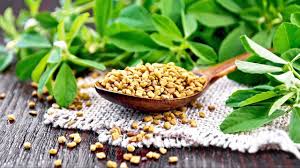
Benefits of Fenugreek for Hair Fall Problem — A Comprehensive Guide
1. What is Fenugreek?
Fenugreek (scientific name Trigonella foenum-graecum) is a herb cultivated in South Asia, North Africa and parts of the Mediterranean. Its seeds (“methi seeds”) are rich in proteins, vitamins (A, C, K), minerals (iron, calcium, potassium), saponins, flavonoids and lecithin.
Traditionally used in cooking and Ayurvedic medicine, fenugreek has found its place in hair-care for its reputed ability to fight hair fall and support growth.
2. How Fenugreek Supports Hair and Reduces Hair Fall
Here are the multiple ways fenugreek acts on hair fall problems:
- Nutrient-rich profile: High in protein and iron — both essential for healthy hair follicles and strand strength.
- Strengthening the hair shaft: Proteins and lecithin help fill in microscopic gaps in the hair shaft, reducing breakage and reducing the number of hairs shedding.
- Combatting DHT & hormonal triggers: Some compounds in fenugreek may interfere with DHT attachment to hair follicles, which is a known contributor to hair fall in androgenetic patterns.
- Improving scalp health: Fenugreek’s saponins, flavonoids and anti-inflammatory properties soothe scalp irritation, reduce dandruff and microbial issues that can aggravate hair loss.
- Moisturising and conditioning effect: The mucilage content in fenugreek acts as a natural emollient, helping retain moisture in scalp and strands, improving texture and reducing breakage from dryness.
- Promoting volume and shine: Regular use can make hair appear fuller (through stronger, healthier strands) and more lustrous (via conditioning effects).
3. What the Research Says
While strong large-scale human trials are still limited, the evidence is promising:
- Some small studies and anecdotal reports show improved hair thickness and reduction in shedding with fenugreek application.
- Traditional uses align with nutrient-science: iron deficiency, protein deficiency and scalp inflammation are known contributors to hair fall—and fenugreek addresses these.
- Experts caution: “Research is still limited,” so fenugreek should be viewed as supportive rather than guaranteed cure.
4. How to Use Fenugreek for Hair Fall: Practical Methods
Here are several easy-to-implement ways to use fenugreek for hair fall support. Do a patch test first to check for sensitivity.
A) Fenugreek Seed Paste Mask
Ingredients:
- 2 tablespoons fenugreek seeds
- Water (enough to soak and later blend)
- Optional: 1 tbsp yogurt or coconut milk, or 1 tbsp lemon juice if no sensitivity
Method:
- Rinse seeds and soak overnight in water.
- Blend into a smooth paste using the soaking water.
- (Optional) Mix yogurt or coconut milk if hair is dry; lemon if scalpy and you can tolerate.
- Apply to scalp and hair roots; leave 20-30 minutes.
- Rinse with mild shampoo and lukewarm water. Use 1-2× per week for best effect.
B) Fenugreek Water Rinse
Method:
- Boil 2 tablespoons fenugreek seeds in about 2 cups water for 10-15 minutes.
- Cool and strain the liquid.
- Use as a final rinse after shampooing or apply to scalp and leave for ~10 minutes then rinse.
- Use weekly.
C) Infused Fenugreek Oil
Method:
- Slightly roast 1 tbsp fenugreek seeds and lightly crush.
- Add to ½ cup of carrier oil (e.g., coconut, jojoba), warm gently for 10 minutes (do not overheat).
- Cool, strain the oil.
- Massage 2-3 times a week into scalp, leave one hour or overnight, then shampoo.
This delivers fenugreek’s nutrients via oil-base for better penetration.
5. Integrating Fenugreek into Your Overall Hair-Fall Plan
Fenugreek is best when combined with other supportive practices:
- Nutrition: Eat adequate protein, iron, zinc and vitamins A, C, E. Hair is metabolically active; internal nutrition matters.
- Avoid harsh styling & damage: Frequent heat, chemical treatments and tight hairstyles worsen hair fall and reduce benefit of natural treatments.
- Scalp care: Maintain good hygiene, reduce dandruff, treat scalp inflammation in parallel.
- Manage stress & hormone factors: Stress, thyroid issues, hormonal imbalances can trigger hair fall—addressing only external hair masks may not be enough.
- Routine and patience: Visible results take time. Most recommendations suggest consistent use for 3-6 months to see meaningful improvement.
6. Precautions & When Not to Use
- If you are pregnant or breastfeeding, consult your healthcare provider before using high-dose fenugreek topically or internally. Some sources caution use in pregnancy due to possible uterine stimulation.
- People with allergies to peanuts or chickpeas may also react to fenugreek—patch test first.
- High doses may lower blood sugar or interact with medications (especially for diabetes). Always check with doctor.
- Fenugreek is a supportive remedy—not a substitute for professional diagnosis. If hair fall is sudden, patchy, or accompanied by scalp pain/bleeding/other symptoms—see a dermatologist.
7. Realistic Expectations & Timeline
- Minor or diffuse hair shedding may reduce within 8-12 weeks of consistent use.
- Improvements in hair thickness, shine and scalp health typically appear after 3-6 months.
- For major hair fall conditions (autoimmune alopecia, large-scale loss, pattern baldness) fenugreek may help adjunctively but likely won’t reverse everything alone.
Final Thoughts
When it comes to the benefits of fenugreek for hair fall problem, you get a potent, nutrient-rich herb that supports multiple hair-health mechanisms—root strength, scalp health, reduction of shedding. Adopt practical uses like seed paste masks, oil infusions or water rinses, integrate them into your hair-care regime, and support with good nutrition and scalp care. Over time, with consistency and patience, you may see noticeably stronger, healthier hair and reduced fall. However, remember: it complements—and does not replace—medical diagnosis or treatment when needed.