Dry skin can feel tight, flaky, and uncomfortable — especially when it’s your Vata (in Ayurvedic terms) that’s off balance. Fortunately, Ayurveda offers gentle, deeply nourishing solutions rooted in centuries of wisdom. In this guide, we’ll explore Ayurvedic home remedies for dry skin that are natural, effective, and kind to your body. From warm oil massages to herbal masks and diet tweaks, these practices help restore your skin’s moisture and harmony naturally.
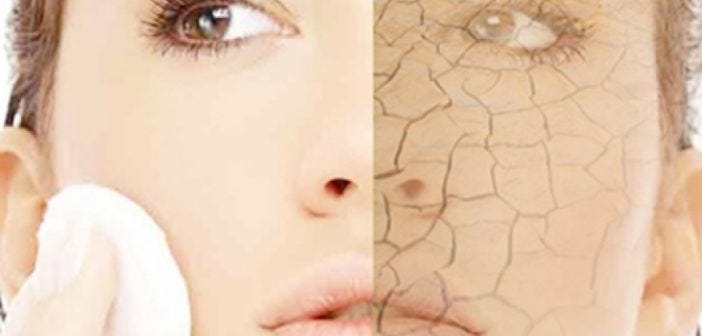
Ayurvedic Home Remedies for Dry Skin — A Detailed Guide
1. Daily Self-Oil Massage (Abhyanga)
One of the most powerful Ayurvedic practices for dry skin is abhyanga, which means self-massage with warm, dosha-balancing oils.
- Use warming oils such as sesame oil, almond oil, or a blend infused with herbs.
- Massage gently from the extremities toward the heart for 10–20 minutes. The oil nourishes tissues, improves circulation, and deeply moisturizes.
- After massage, you can take a warm bath or leave the oil on for deeper absorption.
2. Use Herbal Oils & Nourishing Blends
Ayurveda offers specialized oils that are particularly effective for dry, flaky skin:
- Kama Ayurveda Kumkumadi Youth‑Revitalising Facial Oil: Rich in saffron, licorice, and lotus, this oil deeply hydrates, renews, and smooths the skin.
- Kerala Ayurveda Kumkumadi Oil: A classic blend for rejuvenation and skin nourishment, especially in dry, mature skin.
- Kerala Ayurveda Karpooradi Thailam: Contains camphor and sesame, helping balance Vata and soothe very dry or rough patches.
- Shesha Ayurveda Nalpamaradi Thailam: A brightening and deeply moisturizing oil with traditional herbs, good for body and face.
These oils support skin health, reinforce the lipid barrier, and offer lasting hydration.
3. Hydrating Ayurvedic Masks & Pastes
Bring together simple ingredients to make nourishing masks that soothe dryness:
- Avocado + Olive Oil Mask: Mash half an avocado with a teaspoon of olive oil (and a little honey if extra dry), apply for 15–20 minutes.
- Oatmeal + Honey Soothing Pack: Mix 2 tbsp of oats with 1 tbsp honey, apply to dry areas, and rinse after 15–20 minutes.
- Besan (Gram Flour) + Multani Mitti + Rose Water: Make a paste using besan and multani mitti with rose water; this helps exfoliate gently and retain moisture.
- Turmeric + Ghee Balm: Mix a pinch of turmeric with a little ghee (clarified butter) and apply as an overnight balm to cracked or very dry skin.
4. Aloe Vera + Herbal Hydration
- Apply fresh aloe vera gel (from the leaf) to your dry patches — aloe helps soothe, cool, and moisturize deeply.
- For added benefit, blend aloe with a few drops of almond oil to nourish and seal in moisture.
- Use rose water as a natural toner — it hydrates while balancing your skin’s pH.
5. Nourishing Ayurvedic Herbs for Skin Health
Certain herbs in Ayurveda are especially helpful for dry skin:
- Aloe Vera (Kumari): Rich in water and cooling in nature.
- Neem: Antibacterial and soothing; great for dry skin with occasional inflammation.
- Sandalwood: Cooling, calming, and helps with cracked or irritated skin.
- Saffron (Kumkumadi): While known for brightening, saffron also helps nourish dry skin and boost radiance.
- Triphala: Supports skin detoxification and elasticity through its gentle action.
6. Support Skin with Diet & Hydration
Ayurveda emphasizes wellness from the inside out, and that includes your diet:
- Eat hydrating foods like cucumber, grapes, and watermelon to support skin moisture.
- Include healthy fats like ghee, avocado, or olive oil to nourish your skin’s lipid barrier.
- Drink warm water and herbal teas (like chamomile or licorice) throughout the day to hydrate and support internal balance.
7. Lifestyle Practices for Skin Well-being
- Follow a regular self-massage routine (abhyanga), especially using Vata-pacifying oils if your skin is very dry.
- Avoid very hot showers; use lukewarm water instead to prevent stripping your skin’s natural oils.
- Practice good sleep habits and stress management — Ayurveda links skin dryness to imbalances like Vata, which are worsened by stress and poor sleep.
8. When to See a Practitioner
If dryness persists despite these home remedies—especially if skin cracks, bleeds, or feels painful—it’s wise to consult an Ayurvedic practitioner or dermatologist. Persistent severe dryness may signal deeper dosha imbalances or an underlying skin condition.
Final Thoughts
Ayurvedic home remedies for dry skin are gentle but powerful. Through practices like warm oil massage, herbal masks, and nourishing oils, you can restore hydration, balance your doshas, and achieve soft, supple skin naturally. These rituals don’t just deliver quick fixes — they help create a long-term rhythm of care that supports your skin’s health from the inside out.