Table of Contents
If you’re thinking “Are you suffering from overweight? Don’t just panic,” then you’re in the right place. Being overweight isn’t just a matter of appearance—it can impact your health, energy and mental well-being. But the good news is: you can take control with realistic, sustainable lifestyle changes rather than panic.
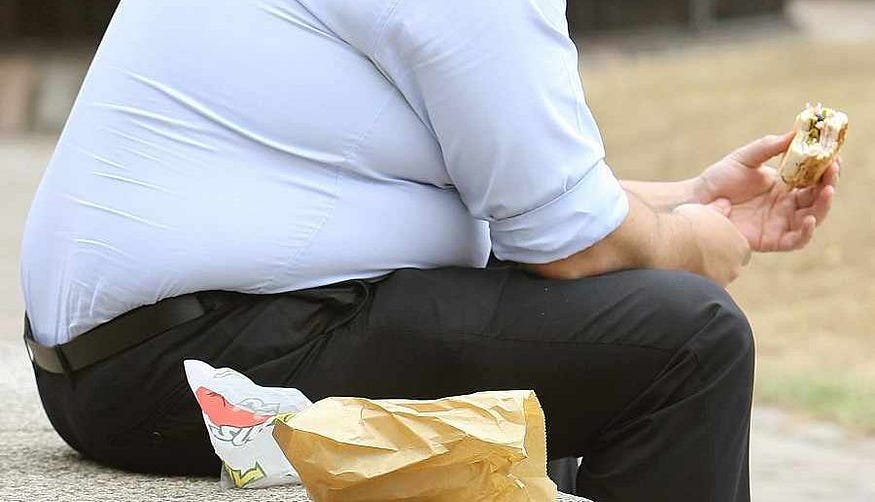
Are You Suffering From Overweight? Don’t Just Panic: A Comprehensive Guide
1. Understanding Overweight — What It Means & Why It Matters
The term “overweight” generally refers to having a body mass index (BMI) of 25–29.9, though body composition, waist circumference and health background also play big roles. When excess body weight accumulates, it increases risks for conditions such as type 2 diabetes, high blood pressure, heart disease, sleep-apnea and joint problems.
However, being overweight isn’t a failure or a reason for shame—what matters is taking steps, no matter how small, to improve your wellbeing. Instead of reacting with panic, you can respond with strategy: measurable, realistic changes for improved health and vitality.
2. Shift in Mindset: From Panic to Planning
- Acknowledge the situation: Recognising you’re carrying excess weight is the first step—without judgement, just fact.
- Set realistic goals: Experts recommend aiming for 5–10% weight loss as an initial target—this can yield significant health benefits.
- Avoid extremes: Crash diets, over-exercise or all-or-nothing mentalities tend to lead to burnout or rebound. Especially with overweight, sustaining moderate improvements is more effective than dramatic short-term fixes.
- Focus on health, not just the scale: Improvements in energy, mobility, sleep, mood and blood markers matter just as much (or more) than the number on the scale.
3. Core Lifestyle Foundations
A) Nutritional Approach
- Emphasise whole foods: vegetables, fruits, lean proteins, whole grains.
- Reduce processed foods, sugary drinks, high saturated fat and very large portions.
- Use tools like smaller plates, slower eating, mindfulness around meals.
- Hydration matters: water helps satiety and metabolic efficiency.
B) Movement & Physical Activity
- Aim for at least 150 minutes of moderate activity per week (e.g., brisk walking, cycling) as recommended by major health organisations.
- Include strength or resistance training 2-3 times per week to preserve muscle mass and support metabolic health.
- Increase overall daily movement (“non-exercise activity”) too: take stairs, walk short distances, stand more.
C) Sleep, Stress & Recovery
- Poor sleep and high stress hormones can drive weight gain and inhibit weight loss.
- Aim for 7–9 hours of quality sleep. Practice good sleep hygiene.
- Use stress-management techniques (meditation, deep-breathing, mindful breaks) to mitigate emotional eating or resting metabolic slow-down.
4. Small Habits That Add Up
- Weigh yourself (or measure waist) once a week—not daily—to monitor trends.
- Plan meals ahead and batch-cook healthy options so you avoid impulsive choices.
- Avoid eating in front of screens; eat at table, focus on food.
- Check your environment: Does your home support healthy eating and movement? Make changes gradually.
- Set reward-goals that aren’t food-based (e.g., new walking gear, a massage) to reinforce progress.
- Celebrate non-scale wins: improved stamina, fitting into clothes, better mood, healthier labs.
5. Addressing Common Challenges
- Plateaus: After initial loss, weight often plateaus. Adjust by little changes: increase NEAT, review food logs, reduce refined carbs.
- Emotional eating: Recognise triggers (stress, boredom, habit) and substitute with non-food coping (walk, journal, call a friend).
- Busy schedule: Even short 10-minute bursts of activity count. Use stairs, parking farther, walk meetings.
- Social settings: Choose smaller portions, avoid grazing, drink water between alcoholic/sugary drinks.
- Medical conditions: Some people have underlying causes (thyroid, medications, sleep-apnea). If weight is unusually resistant, consult a physician.
6. Example Week-by-Week Plan
Week 1:
- Log your meals and activity. Identify one “swap” (e.g., sugary drink → water).
- Add 20-minute walk 5 days this week.
Week 2: - Introduce strength training twice (bodyweight squats, push-ups).
- Replace one processed snack with fruit or nuts.
Week 3–4: - Increase walk time or add a second shorter walk.
- Practice mindful eating at two meals per day.
Month 2: - Review your progress; set next target (e.g., sustained 10 minutes extra movement).
- Try a new activity you enjoy (dance, swim, cycle).
Ongoing: - Stay consistent, adjust as life changes, be kind to yourself on slip-ups, refocus quickly.
7. Why Progress Matters More Than Perfection
- Remember, even modest weight loss (5 % of body weight) can meaningfully improve blood pressure, cholesterol and blood-sugar levels.
- Weight loss is not linear—expect fluctuations. The key is persistent effort and adaptive habits.
- Overweight is a condition with multiple drivers—genetics, environment, habits. You’re not solely responsible for having it, but you are empowered to improve it.
If you’re asking “Are you suffering from overweight? Don’t just panic,” the message is clear: You’re not alone, and panic doesn’t help—but planning, patience and gradual changes absolutely do. Adopt realistic goals, build better habits around food, movement, sleep and mindset. Track progress, adapt over time, and celebrate your wins. Over time, you’ll notice more energy, better mood, improved health—and a sustainable lean-towards your healthiest self.
FAQs on Are You Suffering from Overweight? Don’t Just Panic
What does it mean to be overweight?
Being overweight means having more body fat than is considered healthy for your height. It’s usually determined using Body Mass Index (BMI) — a BMI between 25 and 29.9 falls under the overweight range. However, other factors like waist circumference and muscle mass should also be considered.
Are you suffering from overweight? Don’t just panic — what should you do first?
The first step is not to panic or feel discouraged. Start by understanding your current lifestyle — eating habits, activity level, and stress triggers. Then, make small but consistent changes like walking daily, eating more fruits and vegetables, and drinking enough water. These small actions can lead to big improvements over time.
What causes overweight?
Common causes include poor dietary habits, lack of physical activity, stress, inadequate sleep, and medical conditions such as thyroid imbalance or hormonal disorders. Genetic predisposition can also play a role, but lifestyle factors usually have the strongest impact.
How can I lose weight safely without extreme diets?
Focus on balanced eating and regular physical activity rather than crash diets. Eat more whole foods like lean proteins, vegetables, fruits, and whole grains. Avoid processed and sugary foods, and include at least 150 minutes of moderate exercise per week. Sustainable habits lead to long-lasting results.
How fast can I lose weight if I’m overweight?
Healthy weight loss typically happens at a rate of 0.5 to 1 kilogram per week. Rapid weight loss can lead to muscle loss and nutrient deficiencies, so aim for gradual progress that you can maintain for life.
What are the health risks associated with being overweight?
Being overweight increases your risk of developing conditions such as type 2 diabetes, high blood pressure, heart disease, joint pain, sleep apnea, and certain cancers. However, even small amounts of weight loss (5–10% of your body weight) can significantly reduce these risks.
Can sleep affect my weight?
Yes! Lack of sleep raises cortisol (the stress hormone) and ghrelin (the hunger hormone), both of which can increase appetite and cravings for high-calorie foods. Aim for 7–9 hours of quality sleep per night to support healthy weight management.
How does stress contribute to being overweight?
Chronic stress can trigger emotional eating, where you crave sugary or fatty foods for comfort. Stress also alters hormone levels that control appetite and fat storage. Practicing relaxation techniques such as yoga, meditation, or deep breathing can help reduce stress-related weight gain.
Is it necessary to go to the gym to lose weight?
Not necessarily. While gyms offer structured workouts, you can stay active at home or outdoors through brisk walking, cycling, yoga, bodyweight exercises, or dancing. The key is consistency — choose an activity you enjoy so you can sustain it.
When should I consult a doctor for overweight issues?
If your BMI is above 30, or if you experience health issues such as fatigue, shortness of breath, high blood pressure, or joint pain, consult a healthcare professional. They can help identify underlying causes (like hormonal imbalances) and recommend the right treatment or diet plan.