Everyday nutrition often hides powerful secrets — and one such secret is Vitamin C. This essential nutrient plays a pivotal role in keeping our body and skin healthy, strengthening immunity, and supporting vital functions from head to toe. Embracing the amazing benefits of Vitamin C for health means more than just avoiding scurvy — it can improve your skin, heart, blood, and overall vitality. In this guide, we explore why Vitamin C is indispensable, where to get it naturally, and how to make the most of its health-supporting powers.
🍊 What is Vitamin C and Why It Matters
- Vitamin C (ascorbic acid) is a water-soluble vitamin that our body cannot produce on its own — we must obtain it through diet.
- It acts as a powerful antioxidant, which means it helps neutralize free radicals — unstable molecules formed during metabolism or due to pollution, UV exposure, or stress — protecting cells from oxidative damage.
- Vitamin C is also a critical co-factor in collagen synthesis, which supports the structure and health of skin, bones, blood vessels, tendons, and connective tissue.
Because it’s water-soluble and not stored in the body, it’s important to include Vitamin C–rich foods in your daily diet.
✅ Key Health Benefits of Vitamin C
Here are the most well-supported benefits of including adequate Vitamin C in your diet:
1. Boosts Immune Function
Vitamin C helps stimulate the production and function of white blood cells (like lymphocytes and phagocytes), which fight infections and pathogens.
It also protects these immune cells from damage by free radicals — helping your body respond better to infections, and may shorten recovery times.
2. Powerful Antioxidant & Protects Against Chronic Diseases
As an antioxidant, Vitamin C reduces oxidative stress and inflammation — both key contributors to chronic illnesses like heart disease, hypertension, and some degenerative conditions.
Regular intake may help lower disease risks and support long-term health.
3. Heart & Cardiovascular Health
Vitamin C supports healthy blood vessels — it can help maintain elasticity of blood vessel walls, support proper circulation, and may help regulate blood pressure.
By reducing oxidative damage and inflammation, it may also reduce risks associated with atherosclerosis (hardening of arteries) and other cardiovascular issues.
4. Improves Iron Absorption & Prevents Anemia
For people who rely on plant-based foods (non-heme iron), Vitamin C improves the bioavailability of iron — meaning your body can absorb more iron when Vitamin C is present.
This is especially beneficial for vegetarians, vegans, or anyone whose diet may have less heme-iron (from meat).
5. Enhances Skin Health, Wound Healing & Anti-Aging
Because Vitamin C is essential for collagen production, it helps maintain skin elasticity, firmness, and resilience — keeping skin youthful, reducing wrinkles, and supporting healthy skin repair.
It also supports wound healing, the health of gums and blood vessels, and connective tissues, making it vital for overall skin, tissue, and organ health.
6. Supports Eye Health & Vision
Vitamin C’s antioxidant effects may help protect the eye’s connective tissues, reducing the risk of age-related eye conditions such as cataracts or macular degeneration, by combating oxidative stress in ocular tissues.
7. Overall Health — Bones, Joints, Vessels & Connective Tissue
Since collagen is not only for skin but also for bones, cartilage, blood vessels, ligaments, and tendons — Vitamin C supports structural integrity across multiple body systems.
🍉 Top Natural Sources of Vitamin C
To get the benefits naturally (rather than via supplements), include fresh fruits and vegetables rich in Vitamin C. Some excellent sources:
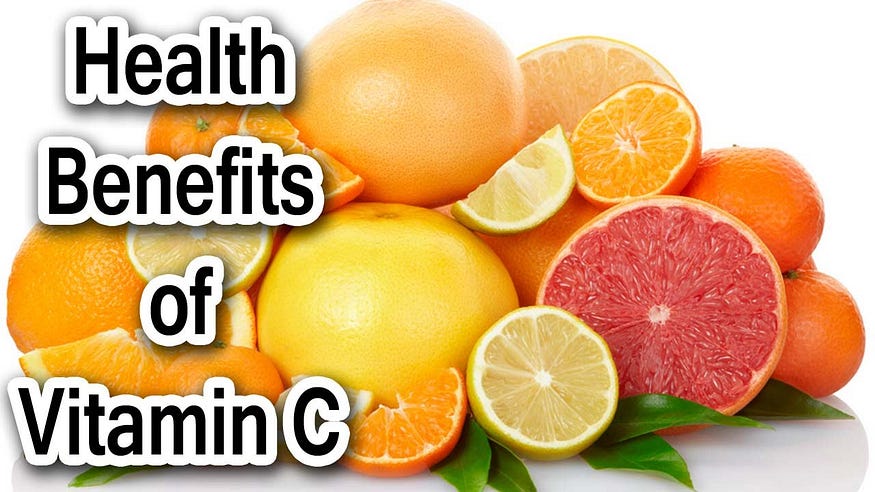
- Citrus fruits (oranges, lemons, grapefruit)
- Kiwi, strawberries, papaya, guava
- Bell peppers (red, yellow, green) — often richer in Vitamin C than oranges
- Broccoli, spinach, kale, and other leafy green vegetables
- Tomatoes, guava, some tropical fruits — include a variety for better intake.
Tip: Vitamin C is heat-sensitive — so to preserve maximum benefit, prefer eating these foods raw or lightly cooked/steamed rather than overcooked or boiled for long.
🧮 How Much Vitamin C Do You Need?
- For most adults, recommended daily intake is around 75 mg (women) and 90 mg (men).
- Because our body doesn’t store it (water-soluble), you need regular intake — daily or frequent — through food.
- For vegetarians or those with low iron intake, pairing iron-rich plant foods with Vitamin C–rich foods helps increase iron absorption and supports overall health.
⚠️ Important: Over-consumption & Precautions
While Vitamin C is generally safe, excess — especially in supplement form — can cause issues:
- Very high doses (well beyond daily needs) may cause stomach issues: nausea, cramps, or diarrhea.
- In people prone to kidney stones or with kidney disease, excessive Vitamin C can increase risk — because high vitamin C may raise oxalate levels.
- Best and safest: Get Vitamin C from whole foods (fruits, vegetables) rather than megadoses in pills — this ensures balanced intake plus other nutrients.
💡 Practical Tips to Get Enough Vitamin C
- Include a fruit or vegetable rich in Vitamin C in each meal or snack — e.g., citrus fruit, bell pepper salad, kiwi, papaya.
- Prefer fresh, raw, or lightly steamed vegetables to preserve Vitamin C content.
- For vegetarians/vegans — combine iron-rich foods (spinach, dal, legumes) with Vitamin C–rich foods to maximize iron absorption.
- For better skin health — include Vitamin C along with other antioxidants, stay hydrated, protect skin from excessive sun/ pollution.
- If taking supplements, do so under medical guidance — don’t exceed recommended doses without reason.
🧬 Final Thoughts
The amazing benefits of Vitamin C for health go far beyond just preventing scurvy. It supports immunity, enhances skin and tissue health, improves iron absorption, aids wound healing, supports cardiovascular and eye health — and helps protect cells from oxidative damage and chronic disease.
By making simple dietary choices — eating a variety of fresh fruits and vegetables — you can easily meet your Vitamin C needs and enjoy these benefits naturally and safely.