Table of Contents
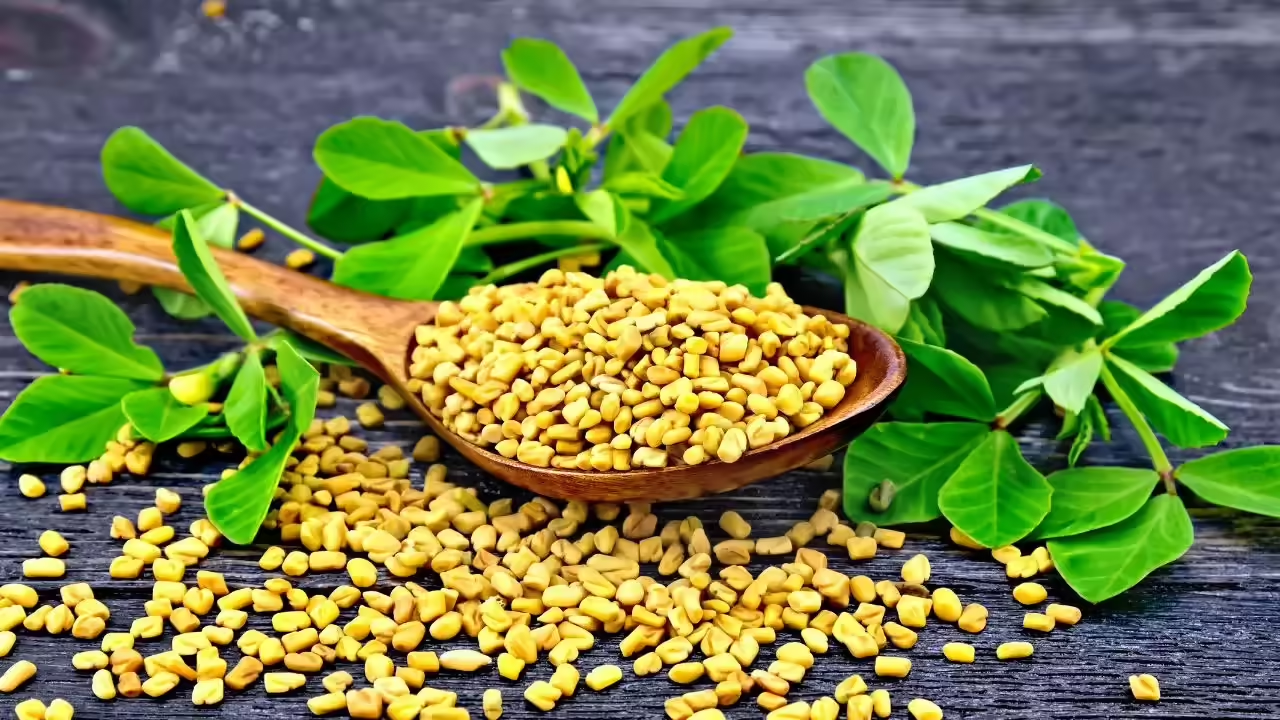
High cholesterol is a common health issue that can increase the risk of heart disease, stroke, and other cardiovascular problems. While medicines like statins are widely used, many people seek natural remedies and dietary strategies to support healthy lipid levels. One such remedy is fenugreek (also known as methi or Trigonella foenum-graecum). In this article, we explore in depth how fenugreek works to lower cholesterol, what evidence supports it, how to use it safely, and how to integrate it into a holistic cholesterol‑management plan.
What Is Cholesterol and Why It Matters
Before diving into fenugreek, let’s briefly understand cholesterol:
- Cholesterol is a waxy substance produced by the liver and obtained from certain foods. It is essential for cellular membranes, hormone synthesis, and other functions.
- There are different types: LDL (low-density lipoprotein) is often called “bad” cholesterol, as high levels contribute to plaque buildup in arteries; HDL (high-density lipoprotein) is “good” cholesterol, helping remove excess cholesterol.
- Elevated total cholesterol, LDL, and triglycerides are risk factors for atherosclerosis, heart attacks, and stroke.
- Lifestyle factors (diet, physical activity, smoking, weight) play a major role in cholesterol balance.
Thus, supporting cholesterol through diet and herbs must go hand in hand with healthy lifestyle changes.
Why Fenugreek? Key Bioactive Components
Fenugreek seeds and leaves contain several compounds that contribute to cholesterol regulation:
- Soluble Fiber / Mucilage
A substantial portion of fenugreek’s fiber is soluble (mucilaginous). This gel‑forming fiber can bind bile acids and cholesterol in the gut, reducing absorption and increasing excretion. - Steroidal Saponins
Fenugreek contains steroidal saponins which may bind cholesterol and reduce its absorption in the intestines. - Plant Sterols (e.g. Beta‑sitosterol)
Beta‑sitosterol is structurally similar to cholesterol and competes with cholesterol for absorption in the intestines, thereby lowering net cholesterol uptake. - Effects on Liver and Cholesterol Metabolism
Some animal and human studies suggest fenugreek may influence liver cholesterol metabolism — possibly by increasing LDL receptor expression (so more LDL is removed from blood) or reducing new cholesterol synthesis. - Antioxidant & Anti‑inflammatory Actions
Fenugreek also contains flavonoids, polyphenols, and other antioxidant compounds that help counter oxidative stress, which is implicated in LDL oxidation and atherosclerosis.
Because of these combined actions, fenugreek is thought to help modulate lipid levels when used consistently.
What the Research Says: Evidence & Limitations
Positive Findings
- A 2020 systematic review of 15 studies (in healthy individuals and those with lipid disorders) found that fenugreek intake was associated with reductions in total cholesterol and triglycerides. However, the authors urged caution because of study heterogeneity (different populations, doses, durations).
- In smaller trials, fenugreek supplementation (powder or extract) has led to modest reductions in LDL cholesterol.
- Animal studies also support benefits: rats fed high-fat diets plus fenugreek extracts showed improved lipid profiles and less fat accumulation.
Limitations & Gaps
- Many human trials are small in sample size, short in duration, or lack rigorous controls.
- Varied formulations (seed powder, extract, leaf) and dosages make standardization difficult.
- It remains unclear exactly which bioactive compounds and pathways are most effective in humans.
- Fenugreek alone is unlikely to replace medication in cases of significantly elevated cholesterol. It should be viewed as a supportive tool.
Bottom line: the evidence is promising but not conclusive. Fenugreek may help as part of a broader cholesterol management strategy.
How to Use Fenugreek for Cholesterol Reduction: Practical Methods
Here are safe and practical ways to include fenugreek in your daily regimen:
| Method | How to Prepare & Consume | Suggested Amounts / Tips |
|---|---|---|
| Soaked fenugreek water (overnight soak) | Soak 1 teaspoon of whole fenugreek seeds in a glass of water overnight. Next morning, strain and drink the water (and optionally chew the softened seeds). | Start with ½ to 1 teaspoon of seeds. You can increase gradually, but avoid taking excessively high amounts. |
| Fenugreek seed tea / decoction | Boil 1 teaspoon of fenugreek seeds (or powdered form) in 1–2 cups of water for several minutes. Strain and drink as tea. | 1–2 cups per day is typical. |
| Powder / seed in meals | Dry roast fenugreek seeds lightly, grind, and sprinkle over food, salads or mix into doughs (chapati, paratha). Use in curries, dals, soups. | Use ½ to 1 teaspoon per meal. |
| Sprouted fenugreek seeds | Soak seeds, allow to sprout (1–2 days), rinse regularly. Add sprouts to salads, wraps, bowls. | Adds extra enzyme activity and fresh flavor. |
| Fenugreek in yogurt or dips | Blend fenugreek powder or seeds into yogurt-based dips for a heart‑friendly accompaniment. | Combine with cucumber, garlic, mint etc. |
| Fenugreek in recipes | Incorporate in bread, chapati, pancakes, or baked goods — mixing fenugreek powder into flour. | Adjust recipe taste as it can be slightly bitter. |
Important notes & tips:
- Start gradually (e.g., ½ teaspoon seed or powder) to allow your digestive system to adjust, as sudden high intake may cause gas, bloating, or mild diarrhea.
- Drink plenty of water when increasing fiber intake.
- It’s best taken before meals (20–30 minutes) to maximize binding of cholesterol/bile acids.
- Use good quality, fresh seeds. Store in airtight containers to prevent rancidity.
Integrating Fenugreek Into a Holistic Cholesterol‑Lowering Plan
Fenugreek works best when combined with other evidence-based lifestyle strategies:
- Dietary Adjustments
- Reduce saturated fats (from red meat, high-fat dairy) and trans fats (processed foods).
- Increase intake of whole grains, legumes, vegetables, fruits, nuts, seeds.
- Use cholesterol-lowering foods like oats, barley, flaxseeds, garlic, turmeric.
- Use healthy fats (olive oil, nuts, seeds, fish rich in omega-3).
- Physical Activity
- At least 150 minutes/week of moderate-intensity aerobic exercise (e.g. brisk walking, cycling).
- Include strength training 2–3 times per week.
- Weight Management
- Losing even 5–10% of body weight (if overweight) often yields significant improvements in lipid profile.
- Avoid Smoking & Limit Alcohol
- Smoking lowers HDL and damages blood vessels.
- Alcohol in moderation, as excess can raise triglycerides.
- Manage Stress & Sleep
- Chronic stress and poor sleep can worsen lipid metabolism and heart health.
- Regular Monitoring & Medical Guidance
- Get lipid profiles (total, LDL, HDL, triglycerides) every 3–6 months (or as recommended).
- Discuss any supplements or herbs (like fenugreek) with your physician, especially if you are on cholesterol-lowering medications (e.g. statins), diabetic treatment, or have medical conditions.
Possible Side Effects, Interactions & Precautions
While fenugreek is generally considered safe in moderate doses, some cautions:
- Gastrointestinal discomfort: bloating, gas, loose stools are possible, especially at higher doses.
- Hypoglycemia: Fenugreek can lower blood sugar; if you’re diabetic or on anti-diabetic drugs, monitor glucose closely and adjust medication if needed.
- Allergic reactions: People allergic to peanuts or chickpeas may react to fenugreek.
- Potential effect on potassium: Some studies report reduced potassium levels.
- Pregnancy & breastfeeding: High doses are not recommended; fenugreek may stimulate uterine contractions. Consult your doctor.
- Drug interactions: It may influence absorption or effect of medications due to its high fiber binding. Always consult your physician before combining with lipid-lowering drugs or other therapies.
If you experience any adverse effects (dizziness, new symptoms, severe GI upset), stop use and seek medical advice.
Frequently Asked Questions (FAQ)
Q1. How long does it take to see cholesterol-lowering effects with fenugreek?
A: It varies. Some studies show modest improvements within 4–8 weeks, but significant changes may require 3–6 months or more of consistent use, combined with diet and lifestyle changes.
Q2. Can fenugreek replace statins or prescribed medications?
A: No. Fenugreek should be viewed as an adjunct, not a replacement. Always follow medical advice; use of fenugreek does not guarantee you can stop prescribed lipid-lowering drugs without a physician’s supervision.
Q3. What is a safe dosage of fenugreek for cholesterol-lowering?
A: Many studies and traditional recommendations use 1–5 grams of ground seed or equivalent daily. Starting with ½–1 teaspoon (approx. 1–2 g) and adjusting based on tolerance is prudent. Higher dosages should be under medical supervision.
Q4. Can I use fenugreek if I have diabetes or take diabetes medication?
A: Yes, but cautiously. Since fenugreek can lower blood glucose, your medication dosages may need adjustment. Monitor blood sugar levels diligently.
Q5. Can I consume fenugreek leaves (the green methi) as well?
A: Yes. Fenugreek leaves also have beneficial compounds, although seeds are more potent in lipid-lowering properties. Use fresh leaves in cooking to add fiber and antioxidants.
Sample 4-Week Plan to Introduce Fenugreek for Cholesterol Support
| Week | Fenugreek Use | Tips & Add-ons |
|---|---|---|
| Week 1 | ½ teaspoon soaked in water in morning | Monitor digestion, gradually increase water intake |
| Week 2 | ½ teaspoon in morning + ½ teaspoon added to lunch (powder) | Combine with fiber-rich foods (oats, legumes) |
| Week 3 | 1 tsp per day (split doses morning + evening) | Add fenugreek tea or sprinkle on dinner |
| Week 4 | Continue 1 tsp daily, evaluate tolerability | Get blood test if possible (lipid panel) |
This gradual approach helps minimize GI discomfort and allows you to observe how your body responds.
Fenugreek (methi) holds promise as a natural adjunct to support cholesterol health, thanks to its fiber, saponins, plant sterols, and metabolic effects. While the clinical evidence is not definitive, the existing data and centuries of traditional use suggest it can be a helpful tool when used intelligently.
However, it is not a magic cure. You must combine it with a heart-healthy diet, regular physical activity, weight control, and medical oversight. Start gradually, monitor yourself, and always consult your healthcare provider — especially if you take medications or have chronic conditions.
Tags: Cholesterol-lowering foods, Fenugreek for heart health, Fenugreek health benefits, Herbal supplements for lowering LDL, How to take fenugreek for cholesterol, Methi seeds for cholesterol, Natural cholesterol remedies