Table of Contents
Belly fat — especially the visceral type (deep in the abdomen) — is often dreaded not just for aesthetic reasons, but also because of its links to health risks: insulin resistance, heart disease, inflammation, and metabolic syndrome.
The good news: with consistent effort in diet, exercise, and lifestyle, it’s realistic to see noticeable reductions in belly fat over a span of about eight weeks (two months).
This guide gives you actionable steps, science-backed strategies, sample plans, and troubleshooting tips — all structured to be both SEO-optimized and reader-friendly.
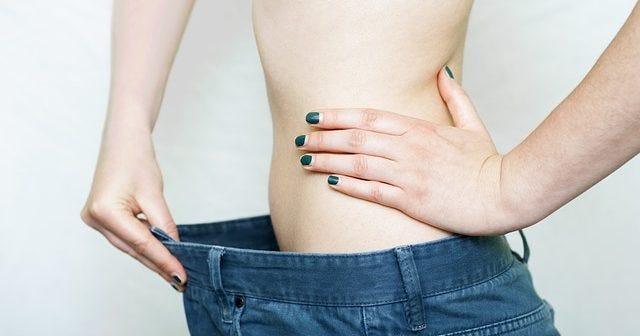
Why Belly Fat Is Hard to Lose — And Why It Matters
Understanding Types of Fat
- Subcutaneous fat: The fat just under the skin, the soft “pinchable” layer.
- Visceral fat: Deep fat around internal organs (liver, intestines). This type is more metabolically active and more dangerous.
Losing fat from a target area (aka “spot reduction”) is largely a myth. You can’t selectively burn belly fat — your body draws energy from stored fats broadly — but visceral fat tends to respond more readily to improved nutrition and activity.
Health Risks of Excess Belly Fat
Carrying too much around your midsection is linked with:
- Increased risk of Type 2 diabetes
- Elevated LDL cholesterol, low HDL, high triglycerides
- High blood pressure
- Nonalcoholic fatty liver
- Heart disease
- Systemic inflammation and oxidative stress
Hence, reducing belly fat is not just about appearance — it’s a vital step toward better long-term health.
How Much Fat Loss Is Realistic in Two Months?
- Safe and sustainable fat loss generally ranges from 0.5 to 1.0 kg per week (or ~1 to 2 lbs), depending on how much you start with, your diet, activity, age, hormones, etc.
- Over 8 weeks, this range gives 4 to 8 kg (≈ 9 to 18 lbs). Some of that will be from overall body fat, not just the belly — but you will likely notice changes in waist and abdominal appearance.
- Expect nonlinear progress: early trim is often faster, later weeks slower — plateaus are common but manageable with adjustments.
The Pillars of Belly Fat Reduction
To reduce belly fat effectively, you need a combined strategy across diet, exercise, and lifestyle habits. Neglecting any pillar makes full success harder.
1. Nutrition: The Core of Fat Loss
Establish a Moderate Calorie Deficit
You must consume fewer calories than you expend. But crashing your calories massively backfires — you lose muscle, energy suffers, adherence fails. A moderate 300–500 kcal/day deficit is often safer and sustainable.
Prioritize Protein
Protein helps preserve muscle, maintain metabolic rate, and promote satiety. Aim for ~1.2 to 1.8 g protein per kg of body weight (or more if very active). Good sources include lean meats, fish, eggs, dairy, legumes, tofu, etc.
Emphasize Fiber, Especially Soluble Fiber
Soluble fiber slows digestion, helps with fullness, and may bind cholesterol in the intestines. Foods: oats, legumes, vegetables, fruits, psyllium, chia seeds, flax seeds.
Limit Refined Carbs & Added Sugars
Refined grains, sugary drinks, sweets, white bread, pastries — these spike insulin and promote fat storage. Swap with whole grains, complex carbs, and unprocessed foods.
Smart Fats Are Healthy Allies
Include moderate amounts of unsaturated fats (olive oil, nuts, seeds, avocados, fatty fish). These support hormone balance, satiety, and metabolic health. Avoid trans fats and limit saturated fat from processed sources.
Eat Whole, Minimally Processed Foods
Foods in their natural or lightly processed form help you avoid “empty calories.” They also tend to be more filling and nutrient-rich.
Meal Timing & Portion Control
- Use smaller plates, avoid “second helpings”
- Eat slowly, chew well, pay attention to fullness
- Skip overly rigid restrictions (or fad diets)
- Some may try intermittent fasting (e.g. 16:8), but the key is what you eat during windows, not just timing
Stay Hydrated
Water is critical — helps with metabolism, satiety, digestion. Replace sugary drinks with water, herbal tea, or infused water.
2. Exercise: Burn, Build & Boost Metabolism
Aerobic (Cardio) Exercise
Brisk walking, jogging, cycling, swimming — these help burn calories and improve cardiovascular health. Aim for 150 minutes/week of moderate intensity (or 75 min of vigorous).
High-Intensity Interval Training (HIIT)
HIIT can be very time-efficient and effective in targeting visceral fat and improving metabolic health. Typical format: alternate short bursts of all-out effort (e.g. 30–45 seconds) with rest or low pace (60–90 seconds), repeated 6–12 cycles. Use 2–3 HIIT sessions per week.
Resistance Training (Strength / Weight Lifting)
Strength training helps build or preserve muscle mass, increasing basal metabolic rate (i.e. calories burned at rest). Include full-body workouts 2–4 times per week with compound moves (squats, deadlifts, presses, rows). Add core exercises (planks, leg raises, crunches) for strength (not fat burning).
Increase Daily Activity (NEAT)
NEAT = Non-Exercise Activity Thermogenesis: walking, standing, taking stairs, household chores, fidgeting. These small movements add up to substantial caloric burn. Aim to move more throughout the day.
Prioritize Recovery
Rest days, mobility work, stretching, sleep — all help ensure your body recovers, reduces cortisol (a stress hormone that may promote belly fat), and avoids overtraining.
3. Lifestyle & Behavior: The Hidden Drivers
Manage Stress
Chronic stress raises cortisol, which is strongly associated with abdominal fat storage. Incorporate stress relief: meditation, deep-breathing, yoga, walking, hobbies, social time.
Prioritize Quality Sleep
Poor sleep impairs hormones (leptin/ghrelin), increases appetite, worsens insulin sensitivity. Aim for 7–9 hours per night of good quality sleep.
Limit Alcohol & Quitting Smoking
Alcohol adds “empty calories” and tends toward abdominal fat gain. Reducing or avoiding alcohol helps. Smoking is harmful in many ways; quitting aids overall health (though smoking itself doesn’t burn fat).
Mindful & Intuitive Eating
- Eat without screens or distractions
- Pause between bites
- Tune into hunger/fullness cues
- Avoid emotional or boredom eating
Stay Consistent & Adaptive
Consistency beats perfection. If a strategy doesn’t suit your life, adjust rather than abandon. Monitor, reflect, and tweak.
Sample 8-Week Plan
Here’s a template you can adapt to your schedule and fitness level.
| Week | Nutrition Emphasis | Training Focus | Lifestyle Habit |
|---|---|---|---|
| 1 | Clean up diet: cut sugar, reduce refined carbs, increase protein/fiber | 3 cardio + 2 strength + 1 HIIT | Set sleep schedule, remove sugary drinks |
| 2 | Track calories/macros, control portions | Increase weights, maintain cardio | Start stress-relief practices |
| 3 | Try intermittent fasting (if comfortable) | Add core work, intensify cardio | Add more walking / non-exercise movement |
| 4 | Reassess based on hunger & progress | Progressive overload in strength, maintain HIIT | Check sleep, reduce screen before bed |
| 5 | Carb cycling (higher on training days) | Variety in workouts: circuits, new exercises | Accountability (friend, coach, log) |
| 6 | Fine-tune deficits & macro balance | Push harder or volume, but watch fatigue | Active recovery: massage, stretching |
| 7 | Trim “extra” calories (snacks, condiments) | Reduce volume slightly if needed, keep intensity | Review stress / sleep, adjust late-night routines |
| 8 | Focus on maintenance transition planning | Solidify best workouts, taper if needed | Plan post-2-month sustainable habits |
Common Questions & Troubleshooting
Why am I not losing belly fat despite dieting?
- You may not actually be in a calorie deficit
- Calories may be undercounted (condiments, oils, drinks)
- Overexercising or under-recovering (high cortisol)
- Hormones, sleep, stress interfering
- Plateau — your body adapts
How to break a plateau?
- Re-calculate your calorie needs
- Increase workout intensity or volume (carefully)
- Cycle calories or refeed days
- Add variation to training
- Prioritize recovery and sleep
Will I lose muscle?
If you diet too harshly, yes. But with sufficient protein and strength training, you can preserve muscle while losing fat.
Is fast weight loss safe or advisable?
Rapid weight loss often leads to more muscle loss, nutritional deficiencies, metabolic slowdowns, and rebound. Longer, steady progress is safer and more durable.
Frequently Asked Questions
Can I really lose belly fat in just two months?
Yes — it’s absolutely possible to reduce belly fat in two months if you’re consistent with a calorie-controlled diet, regular workouts, and proper sleep.
While you can’t “spot reduce” fat from only your belly, overall fat loss (especially visceral fat) will make your waist smaller and flatter. Expect visible progress within 6–8 weeks of disciplined effort.
How much belly fat can I lose in 8 weeks?
Most people can safely lose 4–8 kg (9–18 lbs) of total body fat over two months. The exact amount depends on your starting weight, metabolism, age, and consistency.
Aim for steady progress — not crash dieting — to ensure most of the loss is fat, not water or muscle.
What’s the fastest way to burn belly fat?
There’s no single “quick fix,” but combining several proven strategies gives the best results:
Maintain a moderate calorie deficit (300–500 kcal/day)
Exercise 5–6 times per week (mix cardio, strength, and HIIT)
Eat more protein and fiber
Reduce refined carbs and sugar
Sleep 7–9 hours and manage stress
Together, these habits target fat loss efficiently and naturally.
Which exercises are best for losing belly fat?
The best exercises are those that burn calories and build muscle:
Cardio: Brisk walking, jogging, cycling, swimming
Strength training: Squats, lunges, push-ups, deadlifts, resistance training
HIIT workouts: 30-second intense bursts with 1-minute rest (repeat 8–10 times)
Core exercises: Planks, leg raises, Russian twists (to strengthen, not “melt” belly fat)
Consistency and total-body workouts matter more than any single “ab move.”
Can diet alone reduce belly fat without exercise?
Yes, you can lose fat through diet alone if you maintain a calorie deficit, but combining diet with exercise is far more effective.
Exercise helps preserve lean muscle, boosts metabolism, and accelerates fat burning — especially visceral belly fat.
What foods help reduce belly fat?
Include foods that stabilize blood sugar, reduce inflammation, and keep you full longer:
✅ Lean protein (chicken, eggs, tofu, fish)
✅ Whole grains (oats, brown rice, quinoa)
✅ Vegetables and fruits
✅ Nuts and seeds
✅ Healthy fats (olive oil, avocado, fatty fish)
Avoid sugary drinks, fried foods, refined carbs, and alcohol as much as possible.
Do I need to cut carbs completely to lose belly fat?
No — you don’t have to eliminate carbs. Instead, choose complex carbs like oats, brown rice, and vegetables while reducing refined or processed carbs.
Carbs give you energy for workouts; cutting them too much can slow metabolism and harm performance.
Can stress or lack of sleep cause belly fat?
Yes. Chronic stress increases cortisol, a hormone linked with fat accumulation around the abdomen.
Poor sleep (less than 6 hours) also disrupts hunger hormones, increases cravings, and slows metabolism.
Managing stress and sleeping 7–9 hours nightly are critical parts of any fat-loss plan.
How does alcohol affect belly fat?
Alcohol contains empty calories that can quickly add up. It also impairs fat metabolism — your body burns alcohol calories first, storing dietary fat instead.
Excess drinking (especially beer and sugary cocktails) is strongly linked to increased belly fat. Limit intake or avoid altogether for best results.
What should I drink to lose belly fat?
Simple hydration works best. Try:
Plain water (especially before meals)
Green tea (may support fat metabolism slightly)
Lemon or cucumber-infused water
Black coffee (in moderation; avoid sugar and cream)
Avoid sugary sodas, energy drinks, and packaged juices — they sabotage fat loss.
How can I track my belly fat loss accurately?
Use these methods:
Waist measurement (just above hip bones) every 2 weeks
Progress photos (front, side, back)
Body fat % (if accessible through scales or calipers)
How your clothes fit — often the most reliable indicator
Weight alone can fluctuate due to water, sodium, or muscle gain.
Will doing ab exercises every day flatten my stomach?
Not by themselves. Ab workouts strengthen muscles under the fat layer but don’t burn belly fat directly.
Combine core workouts with cardio and a calorie-controlled diet to reveal toned abs.
Is intermittent fasting effective for belly fat?
Yes — for many people, intermittent fasting (like the 16:8 method) can help manage calorie intake and improve insulin sensitivity.
However, results depend on what you eat during your eating window. If you overeat junk food, fasting won’t work.
How long does it take to see visible results?
Most people start noticing visible changes — flatter waistline, better muscle tone — within 4–6 weeks of consistent effort.
By 8 weeks, results become clearly noticeable to others. The key: consistency, not perfection.
How can I prevent belly fat from coming back?
Maintain your new habits instead of returning to old ones.
Keep exercising regularly
Eat balanced meals (without extremes)
Sleep well and manage stress
Monitor your weight and waist monthly
Treat healthy living as a lifestyle, not a temporary “diet”
Are supplements necessary for losing belly fat?
Not really. No pill or powder can directly burn belly fat.
You may consider supplements only to support your diet — e.g., whey protein (if protein intake is low), omega-3 fish oil, or multivitamins.
Always focus on real food first.
What if I don’t have time to go to the gym?
You can still succeed! Try:
20–30 min home HIIT sessions (jump squats, burpees, mountain climbers, planks)
Walking 8–10k steps/day
Body-weight strength workouts (push-ups, lunges, squats)
Consistency matters more than equipment.
Is belly fat harder to lose after age 40?
Yes, somewhat — metabolism slows with age, and hormones (especially estrogen/testosterone) change.
But with proper diet, resistance training, and lifestyle balance, you can still lose belly fat at any age. Strength training becomes even more important as you get older.
Does drinking warm water or lemon water help burn belly fat?
While lemon water doesn’t “melt” fat directly, it can aid hydration and digestion and reduce sugary drink intake, indirectly supporting fat loss.
There’s no magic drink, but small habits add up.
Can genetics affect belly fat?
es — genetics influence fat storage patterns and metabolism, meaning some people may store more around the belly.
However, genes don’t make fat loss impossible. With consistent effort in diet and training, everyone can reduce visceral fat and improve waistline appearance.