Table of Contents
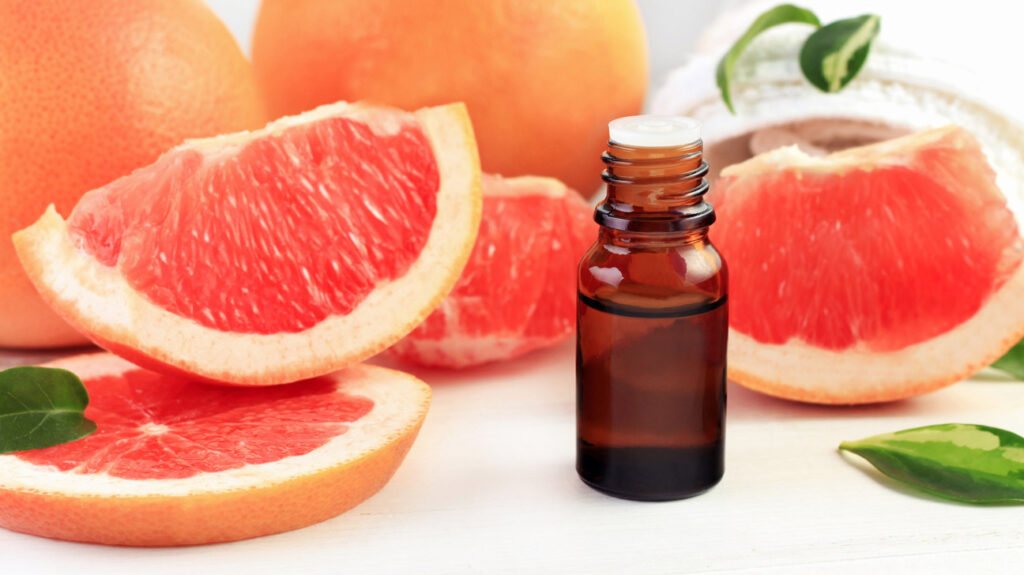
If you’ve been battling hair fall and thinning, you might be missing one of nature’s citrus-rich allies: grapefruit oil. Extracted from the peel of the grapefruit (typically via cold pressing), this essential oil is increasingly being featured as a valuable tonic for improving scalp health, reducing hair loss, and promoting stronger, shinier hair. The aim of this detailed article is to walk you through how grapefruit oil works, its benefits for hair and scalp, how to use it safely, and what to realistically expect — all in an SEO- and user-friendly style.
What Happens Behind Hair Loss?
Before diving into grapefruit oil, it’s useful to understand the environment you’re trying to influence. Hair loss (whether from genetics, stress, hormonal changes, poor scalp health or lifestyle) hinges on a few key factors:
- Weak or inactive hair follicles (don’t produce strong strands)
- Poor blood circulation to the scalp (limits nutrient & oxygen delivery)
- Scalp issues (dandruff, excess oil, product buildup, fungal/bacterial imbalance)
- Oxidative stress, inflammation, nutrient deficiency
A natural tonic like grapefruit oil aims to improve scalp health, circulation and follicle-environment — so that hair “works better” rather than relying solely on synthetic treatments.
Key Components of Grapefruit Oil That Help Hair
Here are the active features of grapefruit essential oil and how they support hair health:
- Astringent & cleansing action: Grapefruit peel contains compounds that help clean excess oil and product buildup off the scalp, which helps follicles function.
- Antioxidants & vitamin C: These help protect the scalp environment from oxidative stress, which can damage hair-roots and contribute to hair thinning.
- Improved circulation: Some evidence suggests that citrus oils (like grapefruit) stimulate blood flow when massaged into the scalp, thereby improving nutrient supply to follicles.
- Balancing oil production & scalp-environment: For oily scalps or those with dandruff/fungal load, grapefruit oil’s natural cleansing + antimicrobial qualities can normalize scalp conditions.
What the Research & Expert Sources Say
While comprehensive clinical trials are limited, several credible sources highlight how grapefruit oil (or grapefruit peel/juice) can be beneficial for hair and scalp.
- A feature article noted that grapefruit helps “make your hair shiny”, “promote hair growth” and reduce dandruff by improving circulation and cleansing the scalp pulp.
- A blog on natural essential oils underscores that grapefruit oil may support prevention of hair loss by improving follicle health and local scalp conditions.
- A hair-care website lists specific uses: “hair cleanser”, “fights dandruff”, “adds lustrous shine”.
So, while grapefruit oil is not a guarantee for reversing severe baldness, it has scientifically plausible mechanisms and anecdotal evidence behind it for supporting healthier hair and a supportive scalp environment.
How to Use Grapefruit Oil for Hair Loss: Practical Application
Using grapefruit oil effectively involves correct dilution, regular use, and integrating with your broader hair-care routine. Below is a step-by-step guide and some DIY blends.
Step-by-Step Routine
- Patch test: Apply a small diluted amount behind the ear or on inner forearm to check for irritation.
- Dilute the essential oil: Pure grapefruit essential oil is potent — mix about 3-5 drops with 10 ml (2 teaspoons) of carrier oil (such as coconut, jojoba, almond).
- Scalp massage: Part your hair, apply the mixture to the scalp, and gently massage for 3-5 minutes. Massage improves circulation and ensures the oil reaches follicles.
- Leave-on time: Leave for at least 30 minutes (or for deeper effect 1-2 hours) before shampooing. Some use overnight (if scalp tolerates).
- Shampoo & condition: Use a gentle, sulfate-free shampoo and follow with conditioner.
- Frequency: 1–2 times a week is a good starting point. Monitor how your scalp responds before increasing.
DIY Blend Ideas
- Basic scalp tonic: 5 drops grapefruit oil + 10 ml coconut oil → massage and leave for 1 hour.
- Cleansing mask: Mix grapefruit oil with aloe vera gel (2 tbsp) and carrier oil, apply to scalp to reduce buildup and dandruff.
- Leave-in spray: Mix 2 drops grapefruit oil + 100 ml water + ½ teaspoon glycerin in a spray bottle; lightly mist scalp and roots before styling.
Benefits You Can Expect & Timeline
Here’s what you may notice — and when — when you routinely incorporate grapefruit oil into your hair-care:
- Within 2-4 weeks: Scalp may feel cleaner, less oily, fewer flakes or itchiness (if you had dandruff/irritation). Hair may feel lighter and possibly shinier.
- Within 6-8 weeks: Some reduction in hair shedding (especially if shedding tied to scalp-environment), improved hair texture, more visible health.
- After 3+ months: With consistent use plus good diet/lifestyle you may see thicker-looking hair, fewer breakages, healthier crown area.
It’s important to recognise that grapefruit oil supports scalp and follicle health — if hair loss is due to strong genetics, hormones (e.g., male pattern baldness) or medical conditions, the oil is supportive, not necessarily single-handedly curative.
Best Practices & Integrating with Lifestyle
To maximise results, combine grapefruit oil use with supportive habits:
- Balanced diet: Adequate protein, iron, vitamins A, C, D, and omega-3s help hair growth.
- Avoid harsh treatments: Over-processing, heat styling, strong chemicals weaken hair.
- Gentle scalp care: Avoid daily heavy oiling (unless your scalp really needs it), avoid clogging follicles.
- Stress management & sleep: Stress and poor sleep can provoke hair shedding — so manage stress and sleep well.
- Appropriate shampooing: Clean scalp = better absorption of treatments, less buildup interfering with follicles.
- Be patient & consistent: Hair-growth cycles run ~3 months or more; consistent weekly routines overshadow sporadic heavy treatments.
Safety, Side-Effects & When to Be Cautious
Grapefruit oil is generally safe when used correctly, but you should note:
- Sensitive scalp or skin → may cause irritation. Always patch test.
- Photosensitivity risk: Citrus essential oils (including grapefruit) may increase sun sensitivity — avoid applying right before sun-exposure or leaving uncovered scalp + direct sun.
- Dilution is essential: Applying undiluted essential oil can cause burning or dryness.
- Not a substitute for medical treatment: If you have sudden or severe hair loss, patchy baldness, or scalp disease → consult a dermatologist/trichologist.
- Interference with treatments: If you’re already using topical or oral hair treatments (e.g., minoxidil), discuss with your specialist before adding essential oils.
Frequently Asked Questions (Quick FAQ)
Does grapefruit oil regrow hair where it’s gone?
Not necessarily. It supports healthier scalp and hair-growth environment. If follicles are dead or severely miniaturised (such as advanced genetic balding), results may be modest.
How long before seeing improvements?
Often you’ll notice a healthier scalp in 2-4 weeks; visible changes in hair texture or shedding reduction in ~6-8 weeks with consistent use.
Can I use it every day?
Usually 1-2 times per week is sufficient. Daily use may cause buildup or irritation. Adjust based on your scalp’s response.
Can I apply it on coloured or treated hair?
Yes — in diluted form it’s generally safe, but again patch-test if your scalp/strand is freshly treated, bleached or very sensitive.
Is there a specific carrier oil best to use?
You can use any light non-comedogenic carrier oil (e.g., jojoba, coconut, almond). Choose based on your hair type (dry vs oily scalp) for optimal absorption.
In the realm of natural hair-care, Grapefruit Essential Oil (from grapefruit peel) stands out as a smart, supportive tonic for tackling scalp issues, improving circulation, and enhancing hair health. While it may not replace medical treatments for severe alopecia, it does contribute to creating the right environment for healthier hair and reduced shedding. With consistent use, proper dilution, and good scalp & lifestyle habits, you give your hair significant support in its recovery and renewal journey.