Table of Contents
If you’re looking for effective remedies for losing weight that are realistic and rooted in everyday habits, you’ve come to the right place. Successful weight loss isn’t about quick fixes—it’s about smart, consistent changes in diet, movement and lifestyle. This comprehensive guide walks you through evidence-based strategies, home remedies, and practical routines to support a steady and healthy weight-loss journey.
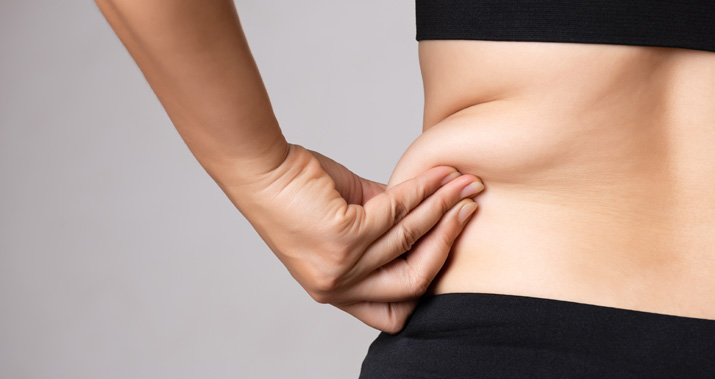
Remedies for Losing Weight: A Detailed Guide
1. Understanding What “Losing Weight” Means
Weight loss is not simply about a lower number on the scale—but about improving body composition (reducing fat, preserving muscle), enhancing metabolic health, and adopting habits you can maintain. According to expert guidance:
- A moderate calorie deficit combined with increased movement is the most sustainable route.
- Rapid weight loss often results in loss of muscle or water rather than lasting fat reduction and can trigger rebound gain.
- Small changes add up: even modest weight loss (5-10% of body weight) significantly improves health markers.
2. Core Pillars of Weight-Loss Success
2.1 Nutrition & Whole Foods
- Prioritise whole, minimally processed foods: vegetables, fruits, legumes, lean proteins, whole grains. These provide fullness, nutrients, and lower calorie density.
- Reduce added sugar, refined carbs, and processed foods—they tend to be high in calories and low in satiety.
- Include adequate protein in your meals: this supports muscle preservation and increases fullness.
2.2 Movement, Activity & Exercise
- Aim for at least 150 minutes of moderate physical activity per week (or more) plus strength training to build lean muscle.
- Non-exercise movement (walking more, standing, reducing sedentary time) also contributes meaningfully to calorie use.
- Remember: movement complements diet—it doesn’t replace it—but together they amplify results.
2.3 Lifestyle & Behavioural Habits
- Manage sleep and stress: Poor sleep and high stress raise cortisol and hunger hormones, undermining weight-loss efforts.
- Practice mindful eating: Slow down, eliminate distractions, recognise fullness cues. This can reduce overeating.
- Monitor your progress: Keeping a log of food, activity or body changes improves accountability and results.
3. Home Remedies & Practical Supports
Here are some accessible home-based rituals to support your weight-loss efforts—not magic pills, but useful allies.
3.1 Hydration & Morning Rituals
- Start the day with warm water + lemon (optional drizzle of honey) to support digestion and hydration—helps set tone for day.
- Drink water before meals: This may reduce calorie intake by promoting earlier fullness.
- Choose water or unsweetened beverages instead of sugary drinks.
3.2 Kitchen Spices, Teas & Natural Metabolic Supports
- Teas like green tea, ginger tea or herbal infusions may modestly support metabolism and fat loss.
- Use spices: e.g., cinnamon, turmeric, cumin—these may help regulate blood sugar, improve digestion, and support metabolic health.
- Use smaller plates, eat slowly, reduce distractions during meals—behavioural tweaks shown to help.
3.3 Sleep, Posture & Daily Routine
- Place emphasis on sleep quality: aim for 7-9 hours, and create a calming pre-bed routine.
- Use movement breaks: Stand, stretch, walk for a few minutes every 30-60 minutes if you have a sedentary job.
- Strengthen core/back and incorporate light resistance training at home (body-weight squats, lunges, push-ups) to support body composition change.
4. Building a Practical Weight-Loss Routine
Here’s a sample weekly routine framework you can personalise:
- Daily: Breakfast with protein + whole grains + fruit. Water first thing. 30-minutes walk.
- 3 times/week: Strength circuit (20-30 minutes).
- Every meal: Fill half your plate with vegetables; lean protein; moderate portion of healthy starchy carbs; healthy fat small amount.
- Evenings: 10-minute mobility/stretch session; wind-down routine for sleep.
- Weekly: Choose one “healthy recipe swap” (e.g., use legumes instead of rice, cauliflower pasta, salad with lean protein).
- Monthly: Take measurements or how your clothes fit—these are better reflections than scale alone.
5. Realistic Expectations & Common Pitfalls
- Aim for 0.5-1 kg (1–2 lbs) per week for sustainable loss. More rapid loss often not maintainable.
- Expect plateaus: Your body adapts—when weight-loss stalls, revisit portions, activity, novelty.
- Pitfalls: Over-restricting calories, skipping meals (which may backfire), relying solely on supplements or “quick fix” diets. Supplements are rarely sufficient alone, and many lack strong evidence.
- Measuring success: Focus on reduced waist circumference, improved energy, better mood, stronger muscles—not just scale drop.
6. When to Seek Professional Advice
Consult a nutritionist, dietitian or physician if:
- You find weight loss extremely difficult despite efforts.
- You have underlying health conditions (thyroid, diabetes, hormonal issues).
- You experience rapid weight gain, unexplained weight loss or eating behaviours that concern you.
- You’re considering major dietary changes (fasting, very low-calorie diets) that may need supervision.
There are many effective remedies for losing weight, but none are instant miracles. The key lies in combining thoughtful nutrition, purposeful movement, behavioural change and lifestyle support—consistently. By making small, sustainable adjustments and adopting the routines you can maintain, you’re not just losing weight—you’re building healthier habits for life. Stay patient, listen to your body, and celebrate progress beyond the scale.
Frequently Asked Questions (FAQs) About Remedies for Losing Weight
Can home remedies alone help me lose weight?
Home remedies support weight loss, but they work best when paired with a balanced diet, regular physical activity, and healthy lifestyle habits. Remedies like green tea, apple cider vinegar, or lemon water may slightly boost metabolism, but consistency and lifestyle change deliver long-term results.
How much weight can I lose with home remedies?
If you follow healthy remedies and a calorie-controlled diet, you can expect to lose 0.5 to 1 kg per week safely. Sustainable weight loss is gradual; drastic measures may harm your metabolism and cause rebound weight gain.
Does drinking lemon water really help in weight loss?
Yes. Lemon water helps in detoxification, improves digestion, and boosts metabolism slightly. It also helps you stay hydrated and feel full, reducing overall calorie intake. However, it’s not a magic solution—it’s most effective when part of a healthy routine.
How much water should I drink to lose weight?
Aim for at least 2 to 3 liters (8–12 glasses) of water per day. Staying hydrated supports digestion, prevents overeating, and keeps your metabolism active. Drinking a glass of water before meals can also reduce calorie intake.
Can skipping meals help in losing weight faster?
No. Skipping meals can slow metabolism, cause overeating later, and lead to nutrient deficiencies. Instead, eat smaller, balanced meals every 3–4 hours to maintain energy and stable blood sugar levels.