Table of Contents
If you’re searching for ways to get rid of headache naturally and effectively, you’ve come to the right place. Headaches are a common discomfort that can disrupt your day, but by understanding their underlying triggers and applying smart home-based strategies, you can often bring relief without immediately reaching for medication.
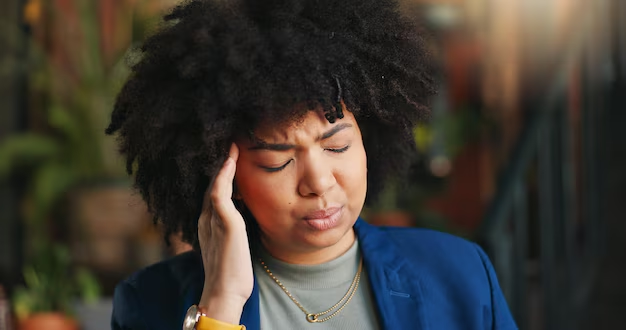
Get Rid of Headache: A Comprehensive, User-Friendly Guide
1. What’s Really Happening When You Have a Headache?
A headache occurs when pain signals are triggered in the nerves covering the skull, or when blood vessels, muscles and nerves in the head and neck become stressed or inflamed. According to experts, headaches can be broadly grouped into types (tension-type, migraines, cluster, sinus) — and the optimal remedy depends heavily on identifying the likely trigger.
Often, the issue is not just the pain itself but underlying contributors — dehydration, muscle tension, poor posture, stress, screen-time, diet, hormonal shifts.
2. Identify Common Triggers Before the Pain Hits
Before diving into remedies, it helps to recognise your key headache triggers so you can prevent as well as treat. Common causes include:
- Dehydration or irregular eating: Delay eating or drinking enough and your brain may register pressure and pain.
- Muscle tension / poor posture / long screen time: Sitting hunched, staring at screens, holding your neck in one position causes tension headaches.
- Hormonal changes / sleep disruptions / stress: Inconsistent sleep or high stress triggers many headaches.
- Food or beverage triggers: Some individuals get headaches from certain foods (processed meats, aged cheese, caffeine changes) or sudden caffeine withdrawal.
- Sensory overload: Bright lights, loud sounds, strong odours may trigger or worsen headaches.
3. Immediate Relief Techniques You Can Use Right Now
Here are actionable remedies you can apply as soon as you feel a headache coming on:
a) Cold or Warm Compress
- For migraines: Apply a cold pack or ice-wrapped towel to the forehead or temples; cold numbs and constricts vessels.
- For tension-type headache (muscle tightness): Use a warm compress on the neck or base of skull to relax muscles.
b) Hydration & Small-Meal Support
- Drink a glass of water as soon as you feel a headache — dehydration is a common trigger.
- Eat a light, balanced snack if you’ve skipped meals — low blood sugar may worsen headache severity.
c) Breathing, Rest & Screen Break
- Close your eyes, sit in a dark/quiet room for 10-15 minutes. Reducing visual and auditory input helps head pain.
- Pause screen time: use the 20-20-20 rule (every 20 minutes look at something 20 feet away for 20 seconds) to reduce eye strain.
d) Gentle Movement or Stretching
- Neck stretches, shoulder rolls, gentle yoga can release tension around head/neck.
- A short walk or light activity increases circulation and helps release endorphins.
e) Essential Oils + Pressure Points
- Apply a drop of peppermint oil (diluted) to temples or back of neck; menthol may help ease tension headaches.
- Use your middle fingers to gently press in circular motion on your temples, or between thumb and index finger (a common pressure point) for a minute.
4. Longer-Term Strategies to Reduce Headache Frequency
Few headaches happen purely by chance. Reducing frequency means adapting habits and lifestyle.
a) Consistent Sleep & Routine
- Aim for roughly the same sleep-wake schedule each day. Fluctuations trigger headaches.
- Ensure 7-9 hours of quality sleep; poor sleep increases headache risk.
b) Posture + Ergonomics
- If you work at a desk: Monitor at eye-level, chair at proper height, feet flat, shoulders relaxed. Frequent breaks.
- Avoid hunched posture, long hours without movement and tight neck muscles.
c) Dietary Adjustments & Trigger Awareness
- Maintain regular meal times; avoid long gaps.
- Monitor and reduce known food triggers: processed meats with nitrates, aged cheeses, excessive caffeine or sudden caffeine withdrawal.
- Increase foods rich in magnesium, hydration-supportive fruits/vegetables.
d) Stress Management
- Chronic stress leads to tight muscles, poor sleep and worse headaches. Techniques: meditation, breathing exercises, yoga.
- Recognise emotional or mental triggers and integrate relaxation.
e) Regular Physical Activity
- Aim for moderate activity (30 minutes most days) to improve circulation and reduce muscle tension.
- Stretching, yoga and mobility exercises specifically help head/neck area.
5. When to Seek Medical Help
Most headaches are benign, but sometimes they signal something more serious. Seek evaluation if you have any of these:
- Headache that starts very suddenly (“thunderclap” headache)
- Headache with fever, stiff neck, confusion, vision changes or weakness
- Headache after head injury
- Headache that changes in pattern or becomes much worse
- Headache accompanied by persistent vomiting or that wakes you from sleep — these may need urgent attention.
6. Putting It All Together: A Routine You Can Follow
Here’s a suggested routine combining immediate relief + prevention:
When headache begins:
- Sit upright in a quiet, dim room
- Drink a large glass of water
- Apply a cold or warm compress depending on type
- Take 2-3 deep breaths, relax shoulders and loosen neck
- After compress: light stretch or neck roll, apply diluted peppermint oil to temples
Daily Habit:
- Drink water regularly (aim 2-3 litres), eat regular balanced meals
- Stand up/move every 30-45 minutes if seated working
- Use ergonomics: monitor, chair, lighting correct
- Before bed: 5-10 minutes of relaxing breathing or gentle yoga
- Weekly: 150 minutes of moderate exercise + one longer session
Weekly Review:
- Note number, duration and severity of headaches
- Keep a “headache journal” — track food, sleep, exercise, stress levels & triggers
- If frequency + severity increase, consult a healthcare professional
7. Realistic Expectations & Patience
- Some headache relief is immediate (cold compress, hydration) but meaningful reduction in frequency takes weeks of consistent habits.
- With tension‐type and minor headaches many people see fewer attacks within 4-8 weeks of lifestyle/trigger changes.
- For migraines, natural remedies may reduce frequency/intensity but not always eliminate them entirely. Partnering with a physician may be necessary.
Knowing how to get rid of headache isn’t just about temporary relief — it’s about recognising your personal triggers, applying immediate tools when pain hits, and building supportive habits so those headaches become less frequent. With hydration, posture care, trigger awareness, stress reduction and regular movement you can take control of your head-health and feel better day-to-day.