Table of Contents
If you’re looking for effective ways to moisturize facial skin naturally and safely, you’re in the right place. A well-hydrated face not only looks fresh and radiant but also supports your skin’s barrier against dryness, irritation and early aging. In this detailed guide, we’ll cover why moisturizing matters, how to choose the right natural methods, step-by-step routines, and how to integrate good hydration into your lifestyle.
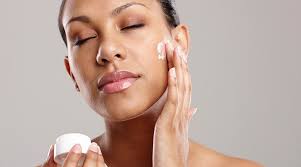
How to Moisturize Facial Skin Naturally: A Comprehensive Guide
1. Why Moisturizing Facial Skin Matters
Your facial skin is exposed constantly—to sun, pollution, wind, makeup and cleansers. Over time, the outermost layer (the skin barrier) can lose lipids and moisture, leading to dryness, roughness, fine lines, uneven tone, or even irritation.
Good moisturization:
- Helps maintain the skin barrier and reduce transepidermal water loss (TEWL).
- Keeps the skin smoother and more resilient.
- Prepares the skin for other care products (serums, treatments) by providing a healthy base.
2. Understand Your Skin’s Hydration Needs
Barrel of Essentials
- Humectants: Attract water into the skin (e.g., hyaluronic acid, glycerin).
- Emollients: Fill in gaps between skin cells, improving smoothness (e.g., plant oils, shea butter).
- Occlusives: Create a barrier to prevent water loss (e.g., petrolatum, oils).
Everyday factors that reduce moisture: hot showers, harsh cleansers, dry air, environmental stressors.
3. Natural Ingredients & Remedies You Can Use
Below are natural, accessible options for moisturising facial skin:
- Coconut oil: A good emollient; helps improve skin hydration for dry skin.
- Sunflower seed oil / plant oils: Useful for barrier support.
- Honey: A natural humectant—attracts moisture and supports soothing.
- Aloe vera gel: Hydrates, soothes, especially after sun exposure or sensitivity.
- Oatmeal / colloidal oats: Help protect and form a mild barrier to retain moisture.
- Dietary support: Foods rich in healthy fats, vitamins A,C,E, omega-3s support skin hydration from inside.
4. Step-by-Step Routine to Moisturize Your Face Naturally
Step 1: Cleanse Gently
Start with a gentle, non-stripping cleanser. Avoid hot water and harsh soaps—it can damage your barrier.
Step 2: While Skin is Slightly Damp
Pat your skin gently with a towel—don’t over-dry. Apply a natural humectant (e.g., aloe vera gel, honey mix) to damp skin so it can draw in moisture.
Step 3: Apply Emollients & Oils
Use a few drops of a good natural oil (coconut, sunflower, jojoba) or a natural blend. Massage gently into skin using upward strokes. Helps smooth surface and deliver emollients.
Step 4: Seal It with an Occlusive Layer
If your skin is very dry, or in dry climate, finish with a light occlusive—maybe a thin layer of plant butter or petrolatum in small amount (night time). This locks in moisture.
Step 5: Daily Morning & Night Application
- Morning: Cleanse → light moisturiser/oil → sunscreen (yes, always). Sun exposure increases dehydration and damage.
- Night: Cleanse → richer oil/butter if needed → occlusive layer → restful sleep for repair.
5. Lifestyle & Environmental Protection for Moisturised Skin
- Maintain hydration: Drink adequate water; diet matters.
- Use a humidifier in dry rooms. Dry air steals moisture.
- Protect your face from strong wind, cold, sun—use scarf, hat, sunscreen.
- Avoid long hot showers or harsh scrubbing.
- Sleep well and reduce stress—both affect skin barrier function.
- Adjust your routine seasonally; what works in winter (richer oils) may be too heavy in hot/humid weather.
6. Common Mistakes & How to Avoid Them
- Assuming “natural oils = always safe” — some (e.g., olive oil) may damage the barrier if used incorrectly.
- Over-moisturising: Yes, it’s possible to apply too much or too frequently, leading to clogged pores or barrier disruption.
- Using heavy occlusives on oily or acne-prone skin without care — choose light gel-oil blends.
- Ignoring the skin’s cleansing/repair needs: Moisture cannot fix barrier damage alone.
- Not using SPF—since sun damage defeats hydration efforts.
7. How to Choose & Adapt Your Moisturising Products/Natural Blends
- For dry skin: Rich oils, butters, occlusives; apply more generously.
- For oily or combination skin: Lighter oils (jojoba, sunflower), gel emollients, minimal occlusive.
- For sensitive skin: Fragrance-free, patch test natural oils; avoid irritant botanicals.
- For hot/humid climate: Use lighter moisturisers; heavy butter may feel sticky or create shine.
- For winter/cold climate: Heavier moisturisation may be needed to counter indoor heating, cold wind.
8. Realistic Expectations & Timeline
- With consistent moisturising, you may notice improved texture and smoother skin in 1-2 weeks.
- For deeper dryness or barrier repair, 4-6 weeks of consistent care may be needed.
- Natural methods support but don’t replace treatment for serious skin conditions—if you have eczema, psoriasis, or chronic dryness, consult a dermatologist.
Moisturising your facial skin naturally is both an art and science. It’s about giving your skin what it needs—moisture, barrier support and protection—and doing it consistently. With the right ingredients, routine, lifestyle support and environmental care, you can enjoy skin that feels comfortable, looks healthy, and stays resilient.
FAQs – How to Moisturize Facial Skin Naturally
Why is it important to moisturize facial skin regularly?
Moisturizing facial skin helps maintain hydration, strengthens the skin’s natural barrier, and prevents dryness, flakiness, and early signs of aging. It also protects the skin from pollution and environmental damage while keeping it soft, smooth, and radiant. Regular moisturization ensures your face stays healthy and youthful.
What are the best natural ways to moisturize facial skin?
You can moisturize facial skin naturally by using hydrating ingredients like aloe vera, honey, coconut oil, olive oil, and jojoba oil. These act as humectants and emollients that lock moisture in and nourish your skin. Applying them on slightly damp skin helps seal hydration effectively.
How often should I moisturize my facial skin?
You should moisturize your face twice daily — once in the morning after cleansing and once before bedtime. Morning moisturization protects your skin from external elements throughout the day, while nighttime moisturizing supports repair and rejuvenation during sleep.
Can oily skin types moisturize facial skin naturally?
Yes, even oily skin needs moisture. Skipping moisturizer can cause the skin to overproduce oil, leading to breakouts. Lightweight natural moisturizers like aloe vera gel, rose water, or grape seed oil work best for oily or combination skin as they hydrate without clogging pores.
Which natural ingredients should I avoid when trying to moisturize facial skin?
Avoid overly comedogenic or heavy oils such as cocoa butter or unrefined coconut oil if you have acne-prone skin. Also, steer clear of essential oils that can irritate sensitive skin, like lemon or peppermint oil, unless properly diluted.
Can diet help in moisturizing facial skin from within?
Absolutely. Eating foods rich in omega-3 fatty acids, vitamin E, and antioxidants (like nuts, seeds, avocados, and green vegetables) helps your body maintain hydration and promotes glowing, supple skin from the inside out. Drinking plenty of water also supports natural moisture balance.
How can I prevent my facial skin from drying out during winter?
During winter, switch to richer moisturizers like shea butter or avocado oil, use a humidifier indoors, and avoid very hot showers. Gently pat your face dry after washing and apply your moisturizer immediately to lock in hydration.
Does using sunscreen help in keeping facial skin moisturized?
Yes, sunscreen prevents sun damage, which can cause dryness and barrier breakdown. Always apply a broad-spectrum sunscreen with moisturizing properties after your morning moisturizer to protect and hydrate your facial skin simultaneously.
What’s the best time to moisturize facial skin for maximum benefits?
The best time to moisturize is immediately after cleansing, when your skin is still slightly damp. This helps your moisturizer trap the existing moisture on the surface and enhance hydration retention.
Can natural moisturizers replace chemical creams completely?
Natural moisturizers can be very effective, but it depends on your skin’s needs. For mild to moderate dryness, natural remedies work well. However, if you have severe dryness, eczema, or irritation, consult a dermatologist for medicated or dermatologist-approved moisturizers.