Table of Contents
If you’re looking into Methi Seeds Benefits for Diabetes, you’re exploring a time-tested natural support that may help regulate blood sugar and improve metabolic health. While not a standalone cure, incorporating these seeds into a balanced lifestyle may offer meaningful assistance when used carefully and consistently.
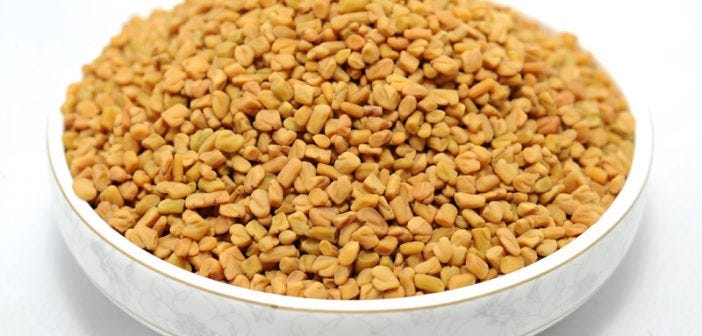
Methi Seeds Benefits for Diabetes: A Detailed Guide
1. What Are Methi Seeds and Why They Matter in Diabetes
“Methi seeds” refer to seeds of the plant Fenugreek seeds (Latin name Trigonella foenum-graecum). These seeds have been used for centuries in Ayurvedic and traditional medicine, particularly within Indian cuisine and health-practices. Research shows these seeds contain:
- high levels of soluble fibre (notably galactomannan) which slows carbohydrate absorption.
- bio-active compounds such as 4-hydroxyisoleucine and diosgenin which influence insulin secretion or sensitivity.
- nutrients (iron, magnesium, potassium) and saponins that support broader metabolic health.
Because diabetes (both type 1 and type 2) involves impaired insulin response, elevated post-meal glucose spikes and often dyslipidaemia, a food that slows absorption, supports insulin response and improves metabolic markers is worth attention. For example, one article summarises the way fenugreek seeds improve insulin sensitivity and reduce inflammation in people with elevated glucose.
2. Mechanisms: How Methi Seeds Support Blood Sugar Control
Here are the major ways methi seeds appear to help when incorporated alongside diet and lifestyle:
- Slowing carbohydrate absorption: The soluble fibre in methi seeds forms a viscous gel in the gut that delays digestion of carbs, so glucose enters the bloodstream more slowly, reducing post-meal spikes.
- Improving insulin sensitivity: Compounds in these seeds seem to make the body’s cells more responsive to insulin, and may also stimulate the pancreas to secrete more insulin in certain situations.
- Modulating lipids & inflammation: Some studies suggest methi seeds can lower LDL (“bad”) cholesterol and triglycerides, and reduce oxidative stress—both of which are relevant in diabetes management.
- Supporting glucose tolerance: People who consume methi seeds may experience better results in glucose tolerance tests, meaning more stable glucose levels over time.
It’s important to emphasise: while the effects are promising, methi seeds are adjunctive—they do not replace medications, dietary interventions or professional care. One fact-check article highlights that claims of “curing diabetes” via methi are misleading.
3. What the Research Actually Shows
- A study cited in The Times of India noted that in people with type 2 diabetes, daily intake of ~10 g methi seeds (soaked) for eight weeks improved glucose tolerance.
- Another review on fenugreek (methi) documented its anti-diabetic effects including reduced blood sugar and lipid levels in preclinical and human studies.
- However, systematic reviews emphasise the variability of results, dependence on dosage, duration, baseline diet, and the fact that methi should complement not replace treatment.
In short: evidence encourages inclusion of methi seeds as part of a broader diabetes-supportive diet, but one must align expectations realistically.
4. Practical Ways to Use Methi Seeds for Diabetes Support
Here’s how to integrate methi seeds into your routine safely and effectively:
A) Soaking method (popular in Indian homes)
- Take ~1–2 tablespoons (≈8–10 g) of methi seeds.
- Soak in ~250–300 ml water overnight (8-12 hours).
- In the morning, drink the soaking water and optionally chew the seeds (if tolerated).
- Best taken before breakfast or before mains.
B) Sprouted or powdered method
- Sprout the seeds (rinse, soak, then hang in muslin cloth, allow slight germination) for higher nutrient availability.
- Alternatively, dry roast & grind seeds to powder and add 1–2 teaspoons to yogurt, smoothies, rotis or soups.
C) Inclusion in meals
- Add whole or powdered methi seeds to lentils (dal), vegetable stir-fries, savoury but healthy ladoos (sweet snacks) for diabetics. One article mentions methi ladoos as a safer winter sweet for those with blood sugar concerns.
D) Dosage and frequency
- Typical studied dosage: ~10 g per day. Some sources indicate usable range of 2.5 g up to ~15 g depending on condition.
- Frequency: daily or near-daily (5-7 days/week) as part of diet.
- Duration: benefits may accrue over several weeks (8–12 weeks) rather than immediately.
- If you are on blood sugar-lowering meds, monitor closely—methi may enhance effect and risk hypoglycaemia.
5. Integrate With Lifestyle & Diet: The Bigger Picture
Methi seeds offer support—but to maximise benefit, they should be paired with key lifestyle habits:
- Balanced diet: plenty of vegetables, lean proteins, whole grains, low refined carbs and moderate glycaemic load.
- Regular physical activity: walking, strength training, aerobic exercise—all improve insulin sensitivity.
- Weight management: Even modest weight loss (5-10%) significantly improves glucose control.
- Good sleep and stress-management: Poor sleep and chronic stress worsen insulin resistance.
- Regular monitoring: Fasting glucose, post-meal sugar, HbA1c, lipid profile, as recommended.
By positioning methi as part of this integrated plan, you amplify its benefit rather than relying on it alone.
6. Safety, Precautions & Who Should Be Careful
While methi seeds are generally safe when used appropriately, these important precautions apply:
- Not a cure: Methi does not cure diabetes, though it may support management.
- Hypoglycaemia risk: If you are using insulin or oral hypoglycaemics, adding methi may lower blood sugar further—monitor and adjust medications under supervision.
- Pregnancy/breastfeeding: Methi seeds may influence uterine contractions or hormone levels—seek medical advice.
- Thyroid conditions: Some sources recommend caution in thyroid or hormone-sensitive conditions.
- Digestive sensitivity: High fibre content may cause gas, bloating or mild GI upset especially when first introduced—start with smaller amounts.
- Quality matters: Use clean, well-stored seeds (avoid mould/infestation).
- Medication interactions: Always check with your healthcare provider—especially when using other supplements or strong medications.
7. Realistic Expectations & Outcome Timeline
- After 4–8 weeks of consistent use, you may observe improved post-meal glucose rise, slightly lower fasting glucose, improved insulin responsiveness.
- Significant improvement often requires multiple months, good diet-exercise habits, and collaboration with your doctor.
- Do not expect dramatic changes overnight; rather aim for incremental improvement and stability.
- Use methi seeds as supportive tool, not final solution—medical supervision remains essential.
When managed well, the methi seeds benefits for diabetes represent a natural, low-cost, culinary-and-nutrition-based tool to help stabilise blood sugar, support insulin sensitivity and improve the metabolic environment. While not a replacement for medical care, when integrated with balanced diet, activity and lifestyle, these tiny seeds can play a meaningful role in your diabetes-management toolkit.