If you’re exploring the importance of conditioning hair with coconut oil, you’ve tapped into a truly effective natural hair-care strategy. Used properly, coconut oil nourishes from root to tip, protects against damage, boosts shine and helps your hair look healthier and more resilient. This detailed guide gives you insight into why it works, how to apply it, what to expect, and who it suits best—so you can unlock stronger, smoother, more vibrant hair.
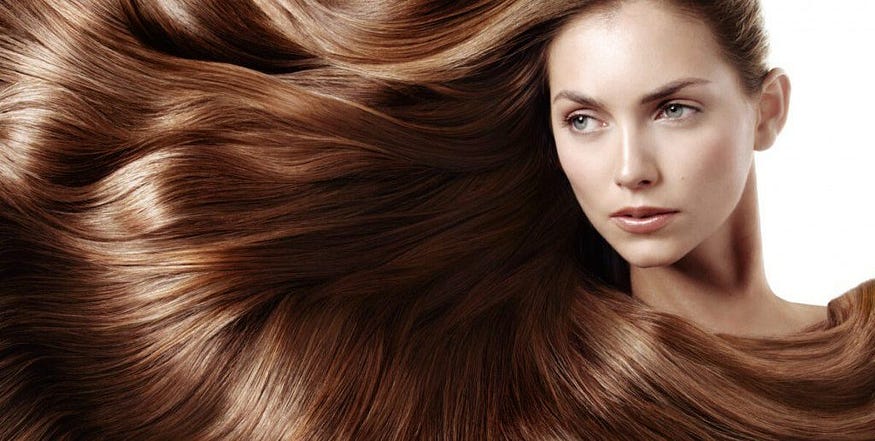
The Importance of Conditioning Hair with Coconut Oil: A Comprehensive Guide
1. Why Coconut Oil Deserves a Place in Your Hair-Care Routine
Modern hair goes through a lot—washing, drying, styling, sun, pollution, chemicals. These stresses gradually damage the hair shaft and scalp, leading to breakage, dullness, frizz and weakened roots. The outer layer (cuticle) lifts; protein from the inner layers (cortex) is lost.
Here’s where coconut oil shines:
- It contains high levels of lauric acid, a medium-chain fatty acid that penetrates the hair shaft (unlike many oils that simply coat the surface).
- When used before or after washing, it has been shown to reduce protein loss significantly compared with other oils like mineral or sunflower oil.
- It helps lock in moisture, smooth the cuticle, reduce frizz and improve shine.
- It supports scalp health (by creating a protective barrier, calming irritation and even supporting anti-dandruff and antimicrobial effects).
Because of these properties, conditioning hair with coconut oil is important not just as a cosmetic treat, but as a protective, restorative step—especially if your hair is coloured, heat-styled, exposed to UV/pollution, or prone to dryness.
2. How to Use Coconut Oil for Conditioning: Methods & Best Practices
A) Choosing the Right Type
- Opt for extra-virgin, unrefined, cold-pressed coconut oil for maximum nutrient and fatty-acid integrity.
- If your scalp is oily or your hair is very fine, apply the oil mainly to mid-length and ends (to avoid greasiness).
B) Application Methods
Here are key methods for conditioning with coconut oil:
- Pre-wash treatment:
- Warm a small amount of coconut oil (about 1-2 tablespoons depending on length) between your palms.
- Apply to dry hair (or slightly damp) from scalp to ends, focusing on vulnerable lengths.
- Leave on for 30-60 minutes (or overnight if you wish and it’s safe).
- Then shampoo and condition as usual.
- Benefit: Helps reduce water-absorption-related damage and prevents cuticle lifting when hair is wet.
- Post-wash conditioner/leave-in protection:
- After washing, when hair is damp, apply a small amount of coconut oil (especially on mid-lengths and tips).
- This helps reduce friction, smooth hair, minimise breakage and seal in moisture.
- Deep-conditioning mask:
- Once a week (or 2× if hair is very dry/damaged), apply coconut oil generously. Cover hair with a shower cap, maybe warm towel, and leave for 1–2 hours or overnight.
- Then shampoo thoroughly (you may need two shampoos) to remove any residue.
C) Frequency & Considerations
- For normal to coarse hair: 1-3 times per week is typical.
- For fine or oily hair: Use less frequently (once a week or less) and concentrate oil on lengths/ends.
- Make sure your schedule includes regular washing—excess oil build-up can weigh hair down, attract dirt or block follicles.
3. What Happens: Benefits You Should See
With consistent conditioning using coconut oil, here’s what you should expect:
- Reduced breakage and split ends: Because protein loss is lessened, hair retains strength.
- Improved moisture balance & smoother texture: Hair feels softer, less frizzy, better able to hold style.
- Shinier appearance & healthier look: Cuticles lie flatter, light reflects better.
- Better scalp health: Reduced dryness, less flaking, calmer irritation; stronger hair-growth environment.
- Longer, more resilient hair: Less damage means you’re more likely to retain length and see healthier growth over time.
Timeline:
- After 2-4 weeks: feel improved texture, less roughness, improved manageability.
- After 6-8 weeks: notice stronger mid-lengths, fewer breakage incidents, improved shine.
- Long-term: With regular use, hair remains healthier and damage is better managed.
4. Who Benefits Most & Who Should Be Cautious
Best suited for:
- Dry, coarse, natural, curly, colour-treated or heat-damaged hair.
- Those dealing with breakage, split ends or dullness.
- People looking for a natural alternative to heavy chemical conditioners or leave-ins.
Use with caution / less frequent use if:
- You have very fine or thin hair—too much oil may make hair limp, heavy or greasy.
- You have oily scalp or follicle block-age issues—oil on scalp may exacerbate greasiness or dandruff in some cases.
- You have protein-overloaded hair or extremely low porosity hair—some users report coconut oil making hair feel stiff or “dry-ish” when hair cannot absorb further.
- You must avoid applying large amounts before going out in humid/wet conditions if your hair becomes sticky or heavy.
In those cases, you might restrict coconut-oil use to ends or lengths only, or use lighter oils/conditioners for scalp.
5. Mistakes to Avoid & Best Practices
- Using too much oil: A little goes a long way—excess leads to build-up, scalp issues or greasiness.
- Applying only to roots (if your roots are oily): Better to focus on mid-lengths and ends, unless scalp is very dry.
- Not shampooing thoroughly when used as a mask: Oil build-up can block scalp and attract dirt—follow with a good shampoo.
- Treating it like a one-time cure: Conditioning with coconut oil works best as part of a regular hair-care routine (plus good diet, protection from heat/UV).
- Confusing oil with moisturizing: Coconut oil locks in moisture and provides lipids but if your hair lacks moisture/hydration initially, you may still need a hydrating treatment first.
- Ignoring your hair’s porosity or type: Everyone’s hair is different—monitor how your hair responds and adjust frequency/amount accordingly.
6. Tips to Maximize the Benefits
- Warm the oil slightly (in your palms or a double-boiler) to enhance penetration.
- Combine coconut oil with a scalp massage: 2-3 minutes of massaging improves circulation and helps product absorption.
- Use a shower-cap or warm towel wrap for deep mask to boost effectiveness.
- Use heat styling & sun/UV exposure protection too: even the best oil can’t undo major UV or chemical damage alone.
- Pair with a diet rich in healthy fats (omega-3s), proteins and vitamins (A/E/Zinc) to support from within.
- Observe how your hair responds: if you notice build-up, greasiness or stiffness, reduce frequency or switch to lighter oil.
Final Thoughts
The importance of conditioning hair with coconut oil is substantial—it’s not only about aesthetics but about protecting, nourishing and prolonging the health of your hair and scalp. When used thoughtfully, coconut oil can be a powerful ally for stronger, smoother, more vibrant hair. Treat it as part of a holistic hair-care strategy: your routine, your diet, your styling habits all matter. With consistency and the right approach, your hair will reflect the care you give it.