If you’re exploring the benefits of carrots for skin, you’ve tapped into one of nature’s most effective—and budget-friendly—beauty aids. The vibrant orange root is packed with nutrients like beta-carotene, vitamin A, C, and potassium, all of which play a key role in skin renewal, protection and glow. In this detailed guide, you’ll discover why carrots benefit your skin, how to use them (internally and topically), what to expect and how to build a carrot-powered skincare routine that supports clearer, healthier‐looking skin.
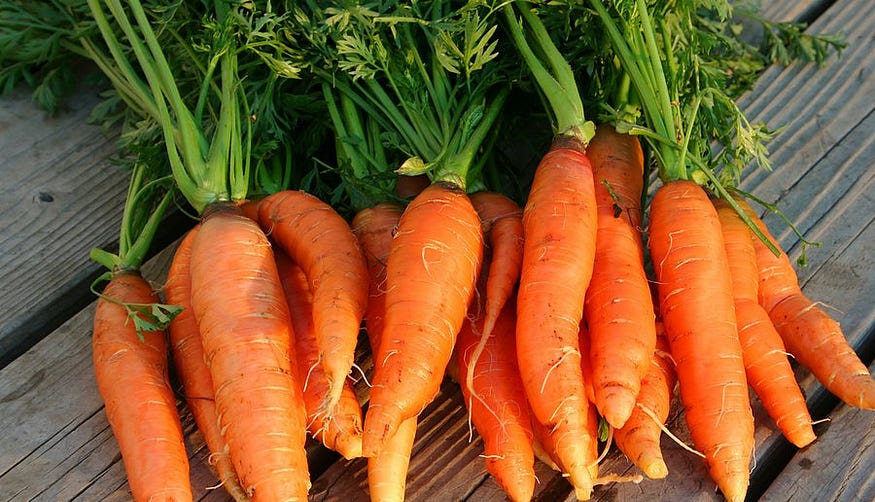
The Benefits of Carrots for Skin: A Full Guide
1. Why Carrots Are Skin-Friendly
Carrots contain several skin-benefiting nutrients:
- Beta-carotene—the pigment that gives carrots their orange colour—is converted in the body into vitamin A, which is key for skin cell turnover, repair and renewal.
- Vitamin C and vitamin K—these support collagen production, skin tone improvement and tissue repair.
- Potassium and minerals—help keep skin hydrated, regulate moisture and support barrier function.
- Antioxidants & carotenoids (like lutein, zeaxanthin) that help protect skin cells from free-radical damage, UV stress and premature ageing.
Because of these attributes, carrots support several skin goals: better texture, more even tone, hydration, glow, protection from damage and delay of visible ageing.
2. Key Skin Benefits of Carrots
A) Supporting Cell Renewal & Texture Improvement
Because carrots supply provitamin A and other nutrients, they help stimulate the creation of new skin cells, remove buildup of dead cells, and promote smoother texture.
Regular consumption and/or topical use may help skin appear more refined, and feel softer.
B) Improving Tone, Radiance & Brightness
Vitamin C and beta-carotene in carrots help reduce the visibility of dullness, uneven tone and pigmentation. Carrots also aid in collagen formation (which keeps skin firm) and help fade post-breakout marks or sun-spots over time.
Including carrots in your diet and skincare routine can contribute to a healthy, slightly warm “glow” and fresher look.
C) Hydration, Moisture & Barrier Support
Potassium-rich carrot content helps maintain moisture in skin cells and prevent dryness or flakiness.
A well-hydrated, balanced skin barrier means less tightness, less roughness and fewer visible signs of stress.
D) Protection from Environmental Stress & Sun Damage
Carrots’ antioxidants help protect skin from oxidative stress—caused by UV rays, pollution and lifestyle factors. Beta-carotene may boost skin’s natural resistance to UV exposure (though it doesn’t replace sunscreen).
Using carrot-rich foods and topical applications is a smart “inside-and-out” strategy to support skin resilience.
E) Anti-Ageing & Smoother Appearance
The combination of cell renewal, antioxidant protection and improved hydration means carrots may help slow visible signs of ageing—fine lines, uneven texture, and loss of firmness.
While they’re not a replacement for clinical anti-ageing treatments, they form a useful natural addition.
3. How to Use Carrots for Skin: Internal & Topical Methods
Internal Use (Diet & Nutrition)
- Eat raw or cooked carrots: As snack sticks, grated into salads, steamed as a side.
- Add carrot juice or blended mixture: Pair with healthy fats (like olive oil or nuts) to enhance absorption of fat-soluble nutrients (beta-carotene → vitamin A).
- Make it part of a colourful veggie-rich diet: Carrots work best when combined with other nutrient-dense foods.
Routine Suggestion: 1–2 medium carrots (≈ 100-150 g) per day as part of a balanced meal is a good target.
Topical Use (Masks, Pastes, Face Packs)
- Simple carrot mask: Grate or blend half a cooked carrot, mix with yogurt or honey for a paste. Apply on clean face for 10-15 minutes, then rinse gently. SkinShots article notes this method helps moisturise and boost glow.
- Carrot juice rinse or toner: Make diluted carrot juice, cool and dab onto skin as a mild toner for tone improvement.
- Add carrot oil or extract in skincare: Some skincare formulations include carrot extract/oil to deliver antioxidants topically.
Frequency: Use a carrot mask 1-2 times per week; topical carrot toners or serums may be used more regularly depending on skin type and product formulation.
4. Skin Type Adaptations & Tips
- Dry or dull skin: Focus on cooked carrots (easier absorption), carrot + honey/yogurt mask, and ensure you use a good moisturizer after a carrot paste.
- Oily or acne-prone skin: Raw carrot sticks as snack, carrot juice + lemon for brightening, carrot mask without heavy cream—e.g., carrot + aloe-vera.
- Sensitive skin: Patch test first topical carrot mask; use milder versions (carrot + aloe) and avoid if you have known carrot/plant allergies.
- Ageing skin & sun-exposed skin: Combine diet + topical carrot use + sun protection (SPF) to maximise benefit; carrot does not replace sunscreen.
Best Absorption Tip: When eating carrots, pair with a fat-source (e.g., olive oil, avocado, nuts) so beta-carotene converts effectively in the body.
5. What to Expect & Timeline for Visible Change
- Within 2-4 weeks: You may notice slightly smoother texture, more supple skin, maybe a subtle glow.
- After 6-8 weeks: More noticeable improvement in tone, fewer rough patches, better hydration, slight reduction in dullness/uneven areas.
- Over 3+ months: Consistency means a stronger foundation—skin that handles environmental stress better, firmer feel, fewer visible signs of early ageing.
Important to remember: carrots support skin gradually—they’re not an instant “fix”—especially if skin has deep pigmentation, major redness or other conditions.
6. Mistakes to Avoid & Precautions
- Over-dependence on carrot alone: While carrots are beneficial, a single food cannot cover all skin needs. You still need a balanced diet, sun protection, hydration and good skincare habits.
- Excessive carrot consumption: Eating extremely large amounts of carrots or carrot juice can lead to carotenemia (orange tint of skin) in rare cases. Reddit discussions highlight this.
- Using carrot topical paste on broken/irritated skin without care: If skin is inflamed, raw or infected, applying homemade masks may irritate more. Always patch test.
- Skipping sunscreen because you rely on carrots for sun protection: Carrots help, but they are not a substitute for broad-spectrum SPF.
- Assuming fast results: Be patient—skin renewal takes time. Expect gradual improvements, not overnight transformation.
Final Thoughts
If you’re ready to embrace the benefits of carrots for skin, you’re adding a powerful, accessible tool to your skincare and nutrition toolkit. By combining carrot-rich meals, smart topical applications, hydration, sun protection and consistent routine, you’ll support clearer, healthier, more radiant skin. Think of carrots as a natural ally—helping your skin renew, protect and glow—rather than a quick fix. With patience, the glow will come naturally.