If you’re looking into how to get rid of water retention with lifestyle changes, you’re taking an important step toward feeling lighter, more comfortable, and healthier. While occasional fluid build-up (also known as Edema) is common, sustained swelling in the ankles, legs or hands often points to diet, movement, or habits that can be adjusted. This comprehensive guide will give you detailed, who-can-use-it, what-to-do style information on addressing water retention naturally and sustainably.
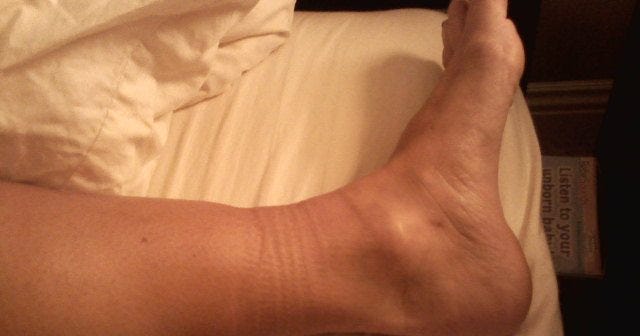
How to Get Rid of Water Retention with Lifestyle Changes: A Detailed Guide
1. What Is Water Retention and Why It Happens
Water retention (edema) occurs when excess fluid accumulates in your tissues and your body is unable to drain or balance it effectively. This can cause swelling, especially in the legs, ankles, feet, hands or face.
There are many potential causes, including:
- High sodium (salt) intake which binds water in the body.
- Prolonged sitting or standing (gravity pulls fluid down).
- Hormonal fluctuations (e.g., menstruation, pregnancy) and certain medications.
- Insufficient movement, dietary imbalances (e.g., low protein, low magnesium/potassium), or dehydration.
It is important to understand that while mild fluid retention is often manageable via lifestyle adjustments, persistent or severe swelling can be a sign of underlying health issues (kidney, heart or liver) and should be evaluated by a professional.
2. Key Lifestyle Changes to Address Fluid Retention
Here are the broad categories of habits you’ll want to adopt — then we’ll dive into specifics.
- Reduce excess sodium & refined carbohydrates
- Boost movement, circulation & support lymphatic drainage
- Optimize hydration and body composition
- Eat smart: nutrients that support fluid balance (potassium, magnesium, protein)
- Adjunct habits: elevation, compression, restful sleep, limiting alcohol
- Monitor & adjust based on personal triggers (medications, hormones, diet)
3. Detailed Strategies & How to Implement Them
A) Limit Sodium & Refined Carbs
- Keep your daily sodium intake moderate—processed foods often hide lots of sodium. High sodium leads to water being held in the tissues.
- Replace processed snacks, breads, salty meats with fresh produce, whole-foods, lower sodium alternatives.
- Refined carbohydrates (white bread, pasta, sugary snacks) can lead to rapid insulin spikes and promote sodium-and-fluid retention.
Action plan: Track how many high-sodium meals/snacks you eat in a week. Aim to cut down by 30%. Recognize hidden salt (condiments, canned foods). Choose one refined-carb replacement per day (e.g., swap white bread for whole grain, choose fruit instead of sugary snack).
B) Increase Movement, Improve Circulation
- Regular exercise, especially walking, cycling, swimming, helps your body move fluid out of tissues and improves circulation.
- If you sit or stand for long periods, take breaks—elevate legs, stretch, walk around every 30–60 minutes. Gravity causes pooling.
- Consider light resistance training and yoga poses that encourage fluid return (e.g., legs-up-the-wall, gentle inversions).
Action plan: Set a timer every hour to stand/walk for 2-3 minutes. Add a 20-30 minute exercise 4-5 times per week (brisk walk, cycling). For sedentary jobs, after work elevate your legs for 10 minutes to assist drainage.
C) Hydration & Proper Fluid Balance
- It might seem counterintuitive, but drinking adequate water actually helps your body flush excess fluid. Dehydration tells your body to hold on to water.
- Avoid consuming excessive caffeine or alcohol which can dehydrate and lead to rebound fluid retention.
Action plan: Aim for at least 2 litres of clean water a day (adjust based on climate/exercise). Replace one sugary drink a day with plain water or herbal tea. Monitor urine colour (pale is good).
D) Nutrient-Rich Diet for Fluid Balance
- Increase potassium-rich foods: bananas, avocados, sweet potato, leafy greens. Potassium helps balance sodium and may reduce swelling.
- Ensure adequate magnesium: whole grains, nuts, seeds and green veggies. Some evidence shows magnesium helps with fluid retention.
- Prioritise lean protein: Low protein levels may reduce the body’s ability to maintain fluid balance. Also support movement and tissue health.
Action plan: Add one potassium-rich food at each meal. Switch one meal a day to include nuts/seeds for magnesium. Ensure at least one source of lean protein daily if you’re not already.
E) Adjunct Habits: Elevation, Compression, Sleep
- When swelling is in legs/ankles: lie down and elevate legs above heart for 10–15 mins daily. Helps fluid return to circulation.
- Use compression stockings if your job involves long standing or if doctor advises. They prevent pooling.
- Good sleep is essential: poor sleep can disrupt fluid balance and hormone control.
Action plan: After day’s end, elevate legs for 10 minutes or lie on couch/bed with legs up. Consider buying moderate-compression socks. Commit to 7–9 hours of sleep nightly.
4. What to Expect: Timeline & Realistic Outcomes
- Within 1–2 weeks: You may notice less puffiness (especially in ankles/hands), clothing-fitting better, lighter feeling.
- By 4-6 weeks: With consistent habit changes, fluid retention episodes should reduce significantly. You might see fewer “ups” in weight due to fluid.
- 3 months +: The new routine becomes habit, body better regulates fluid balance, fewer reactive episodes after salty meals or long standing/sitting.
Remember: If swelling persists, worsens or is sudden/unexplained—especially if you have pain, breathlessness or one-limb swelling—seek medical advice.
5. Mistakes to Avoid & Key Precautions
- Using diuretics/“water pills” without guidance: These can cause electrolyte imbalances and should only be used under supervision.
- Assuming all swelling is benign: Some oedema is sign of heart, liver, kidney or thyroid issues.
- Too much salt undercutting your efforts: One large salty meal can undo several days of discipline.
- Ignoring rest or continued standing/sitting: Movement and elevation matter, not just diet.
- Neglecting hydration thinking “I’ll hold less fluid if I drink less” — This is backward. Dehydration triggers fluid retention.
- Expecting instant results: Habit change takes time; be consistent.
Final Thoughts
If your goal is to get rid of water retention with lifestyle changes, you’ve got a clear roadmap: reduce excess sodium and refined carbs, hydrate well, move regularly, eat nutrient-rich foods for balance, and support circulation with elevation/compression. With consistent effort over weeks you’ll feel lighter, less puffy, and more comfortable in your body. And if your swelling persists or is unusual, always consult a health professional.