If you’re looking at the question “Top Five Foods that Help Prevent Hair Loss”, you’re about to tap into one of the most powerful yet often overlooked tools for hair health—your diet. What you eat plays a major role in supporting your hair follicles, the scalp environment, and circulation—all of which impact how much hair you retain, how thick it remains, and how vibrant it looks. In this detailed guide you’ll discover which five foods stand out, why they help prevent hair loss, how to include them intelligently, and what to expect as you build a hair-nourishing diet.
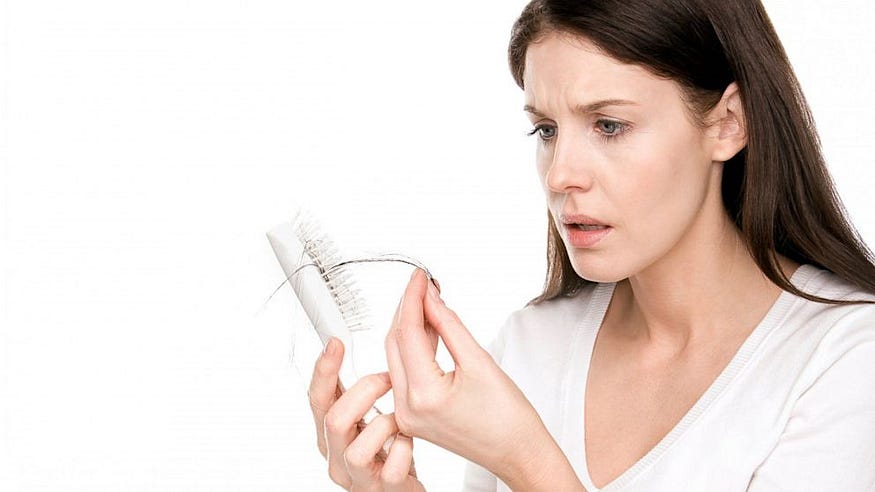
Top Five Foods that Help Prevent Hair Loss: A Comprehensive Guide
1. Why Diet Truly Matters for Hair Loss Prevention
Hair loss—even when influenced by genes, hormones or ageing—is deeply affected by your internal nutritional state, scalp health and circulation. Here’s a breakdown of what diet needs to support:
- Follicle nourishment: Each hair follicle needs a constant supply of amino acids (from protein), iron, zinc, vitamins A, C, E, omega-3 fatty acids and other micronutrients to maintain growth phases and minimise shedding. ([turn0search0], [turn0search1])
- Scalp environment: A well-nourished scalp has better blood flow, healthier sebaceous function, less inflammation and fewer oxidative-stress insults. Poor diet can lead to thinning hair and increased shedding.
- Hair-cycle support: Adequate nutrients help prolong the anagen (growth) phase and minimise catagen/telogen shifts (resting/shedding). Lack of key nutrients makes follicles drop out prematurely or weak hair is more likely to break.
In other words: ensuring your diet contains hair-supportive foods is not just “nice to have”—it’s a foundational step in preventing hair loss from multiple angles.
2. The Top Five Foods & Detailed Benefits
Here are the five standout foods (with deep dive on why they help, nutrients involved, and how to include them). You can use these as core pillars of your anti-hair-loss diet.
A) Fatty Fish (or plant-based Omega-3 Alternatives)
Why it helps: Fatty fish like salmon, mackerel, sardines supply high-quality protein and omega-3 fatty acids (EPA/DHA) which help maintain scalp circulation, reduce inflammation and strengthen hair shafts. ([turn0search4], [turn0search11])
Key nutrients: Omega-3s, vitamin D, B-vitamins, protein, selenium.
How to include:
- At least 2 servings of fatty fish per week in non-vegetarian diets.
- If vegetarian/vegan: flaxseeds, chia seeds, walnuts or algae-based omega-3 supplements.
- Simple recipe: Baked salmon with leafy greens and quinoa for a nutrient-dense hair-support meal.
B) Eggs
Why it helps: Eggs are a complete protein source and rich in biotin, zinc, selenium, iron—all essential for hair growth and preventing shedding. Inadequate protein or biotin correlates with thinning or brittle hair. ([turn0search0], [turn0search9])
Key nutrients: Protein (keratin precursor), biotin (vitamin B7), sulfur (amino-acid rich foods), zinc, iron.
How to include:
- Have two-three whole eggs in the week (e.g., boiled, poached, scrambled).
- Use egg along with other ingredients in a balanced meal (vegetables + whole grains).
- Tip: combine with vitamin C-rich foods (such as a side of steamed red peppers) to support iron absorption.
C) Leafy Greens & Iron-Rich Vegetables (e.g., Spinach)
Why it helps: Iron deficiency is one of the most common nutritional contributors to hair-loss. Dark leafy greens also provide vitamins A, C which support sebum production (natural oil for hair) and scalp health. ([turn0search5])
Key nutrients: Iron (haem & non-haem), folate, vitamins A & C, magnesium.
How to include:
- Daily salad or cooked greens (spinach, kale, collards) with olive-oil dressing.
- Use greens in omelets, soups or as side dishes.
- Pair with vitamin C-rich foods to enhance plant-iron absorption.
D) Nuts & Seeds
Why it helps: Nuts and seeds (almonds, walnuts, pumpkin seeds, flax, chia) supply zinc, magnesium, vitamin E, omega-3s and antioxidants—all vital for hair-follicle strength, antioxidant protection (reducing oxidative stress), and circulation to the scalp. ([turn0search8], [turn0search4])
Key nutrients: Zinc (follicle repair), selenium (antioxidant defence), vitamin E (scalp circulation), plant omega-3s.
How to include:
- A small handful daily (≈ 30 g) of mixed nuts/seeds as snack.
- Sprinkle pumpkin seeds or chia seeds onto oatmeal / yoghurt.
- Use ground flaxseed in smoothies or mixed into breakfast porridge.
E) Berries & Vitamin C Rich Fruits
Why it helps: These fruits deliver vitamin C (key for collagen synthesis, which supports hair structure), antioxidants that protect follicles from damage, and help with iron absorption. ([turn0search6])
Key nutrients: Vitamin C, antioxidants (flavonoids, polyphenols), hydration.
How to include:
- Daily serving of berries (strawberries, blueberries, raspberries) or vitamin C rich fruits (kiwi, guava).
- Use as snack, add to yoghurt/oats, or blend into smoothies.
- Avoid excess juice/sugar; whole fruit is better.
3. How to Build Your Anti-Hair-Loss Meal Plan
Here’s a suggested sample daily meal plan integrating the five foods and supporting nutrients:
Breakfast:
- Scrambled eggs + spinach stir-in + whole-grain toast.
- Side: mixed berries (blueberries + strawberries).
- Drink: green tea or water.
Mid-morning snack:
- Handful of nuts/seeds (almonds, pumpkin seeds, flaxseed).
- Option: plain Greek-yoghurt cup with a few walnuts.
Lunch:
- Baked salmon fillet or grilled fish (or lentil-based plant protein if vegetarian) with mixed leafy greens, sweet potato or quinoa.
- Add a colourful salad with red bell-pepper slices (for vitamin C) and olive-oil dressing.
Afternoon snack:
- A small fruit (guava or kiwi) or carrot sticks + hummus (carrots provide beta-carotene, converted to vitamin A—also beneficial to hair health).
- Herbal tea or water.
Dinner:
- Stir-fry tofu (or more fish) with kale, broccoli, flaxseed sprinkle, and brown rice or whole-grain pasta.
- Side of steamed greens.
Evening (optional):
- A small bowl of mixed berries or a seed/nut-rich smoothie.
Tip: Minimise processed/refined carbs, excessive sugar, high-salt ready meals—these can promote inflammation and disrupt hair-healthy nutrient absorption.
4. What to Expect & Realistic Outcomes
- Within 4–6 weeks: With consistent intake of the five foods and overall diet improvement, you may notice less hair-shed (fewer hairs in comb/brush), slightly better hair texture, easier manageability.
- After 3–4 months: More visible: improved hair density (or less thinning), better scalp condition (less dryness, improved circulation), shinier healthier-looking hair.
- Long-term (6–12 months +): Your hair follicles should be better nourished, more resilient to shedding triggers (stress, diet shifts, hormones) and your baseline hair health improved—though genetic/hormonal factors still apply.
Important: Diet addresses one piece of the hair-loss puzzle. Hormones, genetics, scalp conditions, stress and other factors also matter. But diet is one of the modifiable and foundational factors you can act on.
5. Common Mistakes to Avoid & Key Precautions
- Relying on “one” food and neglecting overall diet: Eating nuts only won’t compensate if your protein, iron, hydration or circulation are poor.
- Expecting overnight fixes: Results take weeks; don’t give up after 1–2 weeks.
- Ignoring other hair-loss causes: If you have rapid shedding, bald patches, signs of underlying disease—see a specialist.
- Excessive supplementing without medical advice: Too much iron, vitamin A, selenium etc can be harmful.
- Neglecting hair-care and scalp environment: Diet must be paired with gentle hair-care, avoiding tight hairstyles, reducing heat/styling damage, improving circulation.
- Skipping hydration and movement: Circulation and overall health still matter for hair retention.
Final Thoughts
The top five foods that help prevent hair loss—fatty fish (or plant omega-3s), eggs, leafy greens, nuts & seeds, and berries/vitamin-C rich fruits—are not just trendy “superfoods.” They deliver key nutrients your hair follicles and scalp truly need to reduce shedding, support growth and maintain resilience. When you integrate them into a consistent, well-rounded diet, support hydration, movement and scalp health, you’ll give your hair the best possible opportunity to remain thick, vibrant and healthy.