If you’re ready to achieve glowing skin, it’s time to explore “Want Clear Skin? Try Fruit Facial Cleansing Masks.” These fruit-based masks bring together natural enzymes, vitamins, antioxidants and gentle exfoliants from fruits to cleanse deeply, refresh your complexion and help restore clarity. In this extensive guide you’ll discover why fruit facial cleansing masks work, how to pick or make them, how to apply and integrate them into your routine, and what results to expect.
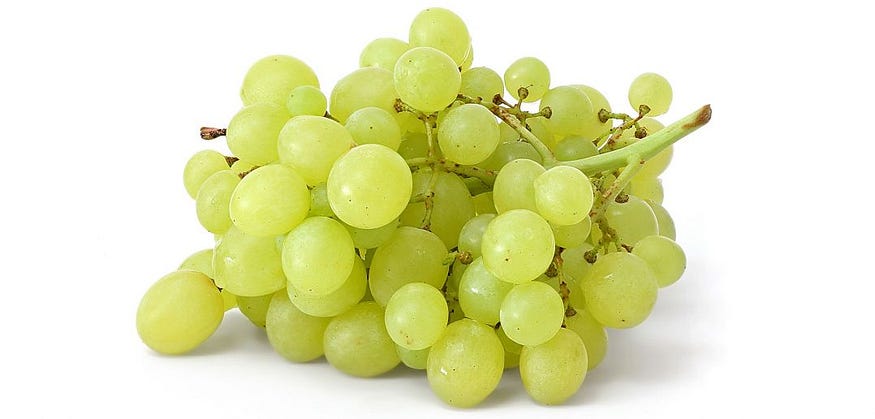
Want Clear Skin? Try Fruit Facial Cleansing Masks – A Comprehensive Guide
1. Why Fruit Facial Cleansing Masks Work for Clear Skin
Fruit facial cleansing masks work by harnessing the natural properties of fruits—enzymes, acids, vitamins and minerals—to refresh and revitalise your skin. Here are the key mechanisms:
- Enzymatic exfoliation: Fruits such as papaya contain enzymes like papain which gently break down dead skin cells and help unclog pores without harsh scrubbing.
- Alpha hydroxy & fruit acids: Many fruits contain mild acids (e.g., citric acid from citrus, malic acid from apples) that promote cell turnover, brighten tone and reduce dullness.
- Antioxidant & vitamin support: Fruits are rich in vitamin C, vitamin E, beta‐carotene and other phytochemicals that protect the skin from oxidative stress, support collagen formation and improve texture.
- Hydration & natural oils: Fruits like avocado or banana bring moisture, fatty acids and humectants to soothe and hydrate the skin barrier while cleansing.
- Deep cleansing of pores & sebum: Fruit facial masks help draw out impurities, excess oil and debris from pores in a gentler way than many harsh scrubs.
Because of all these benefits, fruit facial cleansing masks are a valuable tool in a skincare routine aimed at achieving clear, radiant skin—rather than merely covering up issues.
2. What to Look for in Fruit Facial Cleansing Masks / DIY Criteria
Before you start applying masks, here’s what to consider for best results:
A) Choosing or making a good mask
- Prefer fresh, ripe fruits or high‐quality extracts of fruits (papaya, banana, orange, avocado, kiwi, cucumber).
- Avoid heavy additives, strong synthetic fragrances or harsh chemicals when possible—especially for sensitive skin.
- If buying, check for “fruit enzyme” or “fruit extract” and minimal fillers; ensure manufacturer reputation.
- For DIY, always ensure fruits are clean, mashed/blended well, and not overly acidic if your skin is sensitive (dilute lemon/other citrus accordingly).
B) Match the mask to your skin type/concern
- Dry or dull skin: Use fruits with hydration/fatty acids (banana, avocado) + honey/cream base.
- Oily or acne‐prone skin: Use enzyme/acid based fruits (papaya, orange, kiwi) to exfoliate, un‐clog pores and reduce oil.
- Pigmented or uneven tone skin: Use citrus fruits, papaya, kiwi – for vitamin C, enzymes and acids that help brighten.
C) Frequency & Safety
- Generally 1-2 times per week works well. Over-using strong fruit acids or enzymes can irritate barrier.
- Always patch-test new mask (especially citrus, papaya) if you have sensitive skin.
- After using masks with acids or enzymes, apply broad spectrum sunscreen—your fresh layer of skin may be more sensitive to UV.
- Always cleanse before applying mask; don’t apply on broken skin or active inflammation without caution.
3. How to Apply Fruit Facial Cleansing Masks: Step-by-Step
Here’s a detailed routine you can follow for optimal results.
Step 1: Cleanse
Start with a gentle, non-stripping cleanser to remove surface oil, makeup and debris. Pat dry gently; the mask will work better on a clean surface.
Step 2: Light Exfoliation (optional)
If you have rough skin or clogged pores, you can gently exfoliate (chemical or enzyme) prior to mask—but skip if skin is sensitive or inflamed.
Step 3: Apply Fruit Facial Mask
- Choose your mask type based on skin type/need (see above).
- For example: Papaya & honey mask: Mash ½ ripe papaya + 1 tablespoon honey → mix into paste.
- Apply evenly to face and neck, avoiding the eye area.
- Relax for 10-20 minutes (time depends on mask strength; strong fruit acids shorten time)
Step 4: Rinse & Tone
- Rinse with lukewarm water, gently pat dry.
- Follow with a mild toner if you use one (helps restore pH).
- Follow with a good hydrating serum or moisturiser to lock in benefits.
Step 5: Sun Protection
Since your skin is freshly resurfaced, apply broad spectrum SPF 30+ if going out. This protects your newly exposed layer and helps prevent pigment/UV damage.
Frequency Suggestion
- 1-2 times per week for most skin types.
- Adjust frequency: sensitive skin once per week; oily skin may tolerate 2×.
- Use on a schedule: e.g., weekend mask + once mid-week for maintenance.
4. The Best DIY Fruit Mask Recipes & Customisations
Here are some high-benefit DIY masks you can try. Customize based on your skin’s needs:
Recipe A: Papaya & Honey (for brightening & surface clarity)
- ½ ripe papaya (mashed)
- 1 Tbsp honey
- Apply for 15 minutes, rinse. Benefits: enzyme exfoliation, vitamin A & C, brightening.
Recipe B: Banana & Yogurt (for hydrating dry skin)
- 1 ripe banana (mashed)
- 2 Tbsp plain yogurt
- Apply 15-20 minutes. Benefits: potassium, vitamins A/B/E in banana; lactic acid + probiotics in yogurt.
Recipe C: Citrus & Oatmeal (for oily/combination skin, dull tone)
- 1 Tbsp fresh orange juice + zest
- 2 Tbsp oatmeal (ground)
- Mix into paste, apply 10-15 minutes. Benefits: vitamin C, citric acid exfoliation, soothing texture.
Recipe D: Avocado & Cucumber (for soothing, sensitive skin)
- ½ ripe avocado (mashed)
- ½ cucumber (grated)
- Mix and apply 15 minutes. Benefits: hydration, fatty acids, calming effect.
Recipe E: Strawberry & Yogurt (for acne-prone skin)
- 4-5 strawberries (mashed)
- 2 Tbsp yogurt
- Apply for 10-15 minutes. Benefits: salicylic acid in strawberries + vitamin C/exfoliation; yogurt for soothing.
5. What to Expect: Timeline & Visible Results
- Within 1-2 weeks: After first few masks you may notice skin feels smoother, fresher, less rough texture, slightly brighter tone.
- Over 4-6 weeks: With 1-2 masks/week plus good skincare routine, you should see more even tone, reduced dullness, improved radiance and maybe reduced minor breakouts or rough patches.
- Long-term (3+ months): Consistent use + supportive skincare/habits (sun protection, diet, hydration) will maintain clearer skin, better barrier health and stronger resilience against pollution/aging.
Remember: fruit masks help support your skin—they are not magic. Results will be better when combined with overall skincare (cleansing, moisturising, sun protection), healthy lifestyle (diet, sleep, water) and avoidance of habits that stress skin (smoking, excessive sun, poor diet).
6. Mistakes to Avoid & Key Precautions
- Applying strong citrus or enzyme masks for too long: risk of irritation, over-exfoliation or sensitivity.
- Applying masks on broken, inflamed or sun-burned skin—wait for healing.
- Skipping sunscreen after using mask: newly exposed skin can be more UV-sensitive.
- Relying only on masks but neglecting cleansing, hydration, diet, sun protection—they must go hand-in-hand.
- Not patch testing: even natural fruit ingredients can cause allergic or irritant reaction.
- Using fruit masks too frequently: The skin needs time to recover. Excessive exfoliation leads to barrier damage.
Final Thoughts
If “Want Clear Skin? Try Fruit Facial Cleansing Masks” is your guidepost, you’re choosing a fresh, natural approach that leverages the power of fruits’ enzymes, acids, vitamins and antioxidants to cleanse deeply, refresh tone and restore clarity. By picking the right masks for your skin type, applying them correctly, maintaining a healthy skincare routine and supporting your skin from the inside too, you give your complexion a powerful framework for improvement.