If you’re looking for effective ways to pamper and repair your hair naturally, we’re diving into “Home Made Conditioners to Treat Dry and Damaged Hair.” These DIY conditioners use simple, accessible ingredients—think avocado, coconut oil, yogurt, honey—to restore moisture, soften rough strands and bring life back to hair that’s been stressed by heat, styling or environmental damage. In this detailed, SEO-friendly guide you’ll learn why homemade conditioners work, what ingredients to use and avoid, how to apply them properly, and what results to expect as you embrace a natural hair-care routine.
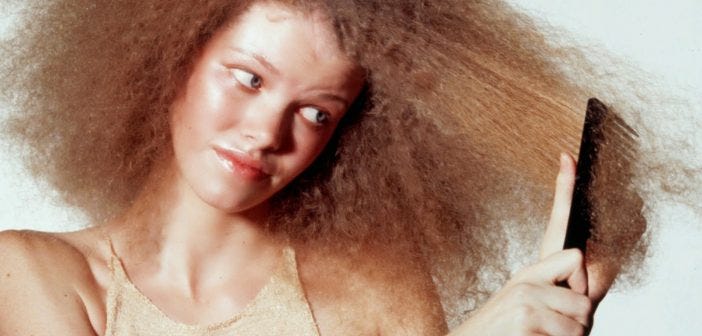
Home Made Conditioners to Treat Dry and Damaged Hair – A Complete Guide
1. Why Dry & Damaged Hair Needs Special Conditioning
Dry or damaged hair typically suffers from one or more of the following issues: cuticle lifting (hair outer layer raised), loss of internal moisture or lipids, breakage, split ends, rough texture, lack of shine. According to hair-care experts, the aim of a conditioner (especially a deep-conditioning one) is to close the cuticle, restore lipids, provide emollience and hydration, and reduce friction between strands.
When hair has been stressed via heat styling, coloring, bleaching, UV exposure or chemicals, the damage often goes deeper—so using a basic rinse-out conditioner may not suffice. That’s where homemade conditioners step in: they let you tailor rich treatments with natural oils, humectants (like honey), proteins and fats to support repair at a deeper level.
2. What Makes a Good Homemade Conditioner for Dry & Damaged Hair
When selecting or making a conditioner at home, keep in mind the following criteria:
- Moisturising & humectant ingredients: Honey, yogurt, aloe vera, glycerin capture and hold water in hair.
- Rich oils and butters: Coconut oil, olive oil, avocado oil, shea butter, jojoba oil help restore lipids and seal the hair shaft.
- Proteins and strengthening agents: Eggs, yogurt (again), plant-based proteins help rebuild internal hair structure after damage.
- Acid or pH balancing component: Apple cider vinegar rinse or similar helps smooth the cuticle and restore shine.
- Simple formulation: Since it’s homemade, lesser preservatives, minimal synthetic additives, small batches are safer.
By combining these elements thoughtfully, you create a conditioner that not only feels nourishing, but also works to treat the damage.
3. Top DIY Conditioner Recipes & How to Use Them
Here are several robust homemade conditioner recipes catered to dry/damaged hair—with instructions, which hair types they suit, and tips for best results.
Recipe A: Avocado + Egg + Olive Oil Deep Conditioner
- Ingredients: ½ ripe avocado, 1 egg, 1 tablespoon olive oil.
- Why it works: Avocado supplies fatty acids and vitamins; egg gives protein; olive oil seals moisture.
- How to apply: Mash avocado, whisk in egg and olive oil until smooth. Apply to clean, damp hair (after shampoo), focusing on mid-lengths and ends. Cover with shower cap, leave 20–30 minutes, then rinse with cool water.
- Best for: Very dry, brittle, chemically or heat-damaged hair.
- Tip: Follow with a lightweight leave-in or serum to lock in moisture.
Recipe B: Yogurt + Avocado + Honey Moisture Boost
- Ingredients: 1 cup Greek yogurt, ½ avocado, 2 Tbsp olive oil, 1 Tbsp honey.
- Why it works: Yogurt offers proteins and probiotics, avocado and olive oil fatty acids, honey humectant effect.
- Application: Blend all ingredients until smooth. On damp hair, apply generously, cover with cap, leave 20-30 minutes. Rinse and follow with conditioner if needed.
- Best for: Hair that is rough, lacks shine, or has dried out after summer/sun exposure.
- Tip: Use once weekly; supplement with lighter conditioning midweek if needed.
Recipe C: Apple Cider Vinegar Rinse + Coconut Milk Conditioner
- Ingredients: 2 Tbsp apple cider vinegar mixed in 1 cup water; separate, use 1 Tbsp coconut milk as a leave-in/conditioner mix.
- Why it works: ACV helps smooth cuticle and remove buildup; coconut milk provides fat and protein to nourish.
- Application: After shampoo, rinse with ACV solution, then apply coconut milk to ends, leave 5–10 minutes, rinse. For deeper treatment, leave coconut-milk richer mix 15–20 minutes.
- Best for: Hair with buildup, dullness, or when you want a refreshing “reset.”
- Tip: Use cool or lukewarm water rinse afterwards to help seal the cuticle.
Recipe D: Jojoba + Argan Oils + Essential Oil Lightweight Conditioner
- Ingredients: 1½ tsp jojoba oil, 1½ tsp argan oil, ½ cup distilled water, optional essential oils (rosemary, lavender) and glycerin.
- Why it works: Oils restore shine without heavy silicones; essential oils support scalp health; water base helps spread.
- Application: Mix oils, water and essential oils; use as a leave-in or rinse-out conditioner on damp hair. Focus on mid-length to ends.
- Best for: Hair that is damaged but not extremely brittle, or fine hair that still needs repair without weight.
- Tip: Avoid heavy application on roots if scalp is oily.
4. Building a Routine & Best Practices
Frequency:
- For severely damaged hair: Use a deep-conditioning treatment like Recipe A or B once per week.
- For moderate damage: 1× per week deep mask, plus 1 additional light conditioner (Recipe D) mid-week.
- For maintenance: After major repair, move to every 2 weeks deep mask + weekly light conditioner.
While washing:
- Use gentle sulphate-free shampoo to reduce further damage.
- Towel-dry gently; hair is more vulnerable when wet.
- After mask, finish with cool water rinse to help seal cuticle.
Drying/Stying support:
- Minimise heat-styling; if you use it, always apply a heat protectant.
- Use wide-tooth comb or fingers to detangle; avoid stiff brushes on wet hair.
- Sleep on satin pillowcases to reduce friction and breakage.
Lifestyle & diet support:
- Drink adequate water and ensure a protein-rich diet for hair-structure support.
- Consider limiting very hot showers which strip moisture from hair and scalp.
- Protect hair from UV/sun damage (hats/scarves) when outdoors.
5. What to Expect & Visible Results
- After 1–2 treatments (2–4 weeks): Hair should feel softer, less rough, reduction in “flyaways” and fewer tangles when combing.
- After ~4–6 weeks: More evident change in texture, shine may improve, split-ends may reduce in frequency, hair feels stronger to touch.
- After 3+ months of routine use: Hair should regain resilience, damage signs (brittle, very frizzy, straw-like ends) should decline significantly. You’ll be better at maintaining healthy hair rather than continuously repairing.
Keep in mind: For very severe damage (bleached multiple times, broken hairs, severely coarse hair) recovery takes time and may not fully restore original hair condition—but homemade conditioners will make a meaningful difference.
6. Mistakes to Avoid & Precautions
- Over-conditioning or skipping shampoo: If the hair has scalp oil/buildup, deep masks without cleansing may trap residue.
- Using oils too close to scalp when scalp is oily: Focus oils on lengths/ends if roots are oily or you use lot of product.
- Leaving DIY mask too long: Natural ingredients can oxidise or tangle hair if left overnight (unless stable). For most, 20–30 minutes is effective.
- Ignoring hair type/porosity: If you have low-porosity hair, heavy oils may cause build-up. Test lighter formulas first. Reddit users note: “Dilute aloe juice or coconut water … wrap in a towel and let it sit …”
- Not protecting after mask: Failing to rinse with cool water or protect with serum/spray may let cuticle lift again quickly.
- Expecting instant full recovery: Hair repair takes time; consistency matters.
Final Thoughts
With targeted use of home made conditioners to treat dry and damaged hair, you’re embracing a nurturing, natural hair-care path. By choosing the right ingredients (oils, proteins, humectants), tailoring them to your hair’s condition and maintaining a consistent routine, you’ll see meaningful improvements in softness, manageability, shine and strength. Think of these treatments not just as “fixes,” but as part of a holistic hair wellness routine. Your hair deserves that patience and care—and it will reward you with healthier, happier strands.