If you’re exploring “Treating Diabetes Naturally with Home Remedies”, you’re delving into an important and empowering area of wellness. While conventional medical care remains essential, many natural strategies—home remedies, dietary adjustments, lifestyle changes—can support better blood-sugar regulation and overall metabolic health. This detailed guide will walk you through how natural methods can fit into a broader diabetes-management plan, what remedies have evidence behind them, how to put them into practice, and how to do so safely.
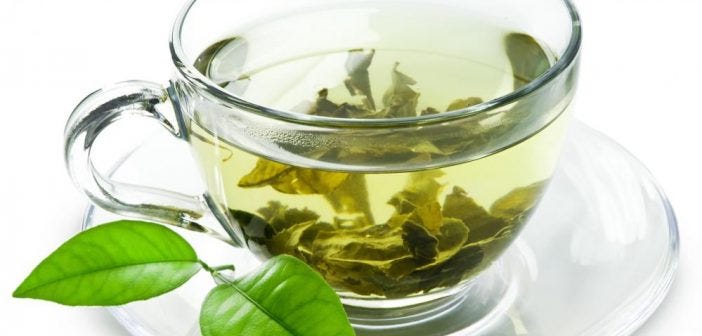
Treating Diabetes Naturally with Home Remedies – A Comprehensive Guide
1. Understanding Diabetes and Why Natural Remedies Matter
Diabetes mellitus (in particular type 2 diabetes) is a metabolic condition in which the body cannot effectively use insulin or produce enough of it, leading to elevated blood sugar levels. Left unmanaged, it increases risk of heart disease, kidney failure, nerve damage and other complications.
Home remedies and natural approaches don’t replace medical treatment—but they complement it by:
- Improving insulin sensitivity and glucose metabolism
- Reducing oxidative stress and inflammation associated with high blood sugar
- Supporting a healthier weight and body composition (critical in diabetes)
- Enhancing nutrient support (for example fibre, micronutrients) that many people lack
By viewing natural remedies as supportive rather than curative, you can integrate them smartly into your diabetes care.
2. Key Pillars of a Natural-Support Plan
There are several foundational areas you’ll want to cover when using home remedies for diabetes:
- Diet & nutrition: foods that help stabilise blood sugar, improve insulin sensitivity and reduce rapid glucose spikes.
- Herbs and plant-based remedies: certain herbs and botanicals show promising data for supporting glucose control.
- Lifestyle & physical activity: movement, weight management, sleep and stress management all influence blood sugar.
- Monitoring & safety: if you are using medications for diabetes, natural strategies may affect blood sugar and interact with medication—so monitoring and professional guidance are key.
Let’s dive deeper into each.
3. Dietary Home Remedies & Food-Based Strategies
A) Foods to Prioritise
- High-fibre whole grains, legumes & vegetables: fibre slows down carbohydrate absorption, which helps prevent sharp glucose spikes.
- Low-glycaemic-index (GI) foods: These cause slower, steadier rises in blood sugar. Replace refined carbs (white rice, sugary treats) with whole grains, millets, oats.
- Healthy fats & lean protein: Balanced meals that include lean protein (fish, poultry, legumes) and healthy fats (nuts, seeds, olive/canola oil) help stabilise post-meal blood sugar.
- Hydration & unsweetened beverages: Drinking enough water, avoiding sugary drinks and possibly including herbal teas (e.g., green tea) supports metabolic health.
B) Specific Food/Home Remedy Examples
- Bitter gourd (karela): Contains insulin-like compounds (polypeptide-P, charantin) and can help lower blood sugar levels when taken regularly.
- Fenugreek seeds (methi): Rich in soluble fibre, helps slow carbohydrate absorption and may improve glucose tolerance.
- Indian gooseberry (amla): High in vitamin C and antioxidants; supports pancreatic function and glucose metabolism.
- Cinnamon: Some studies indicate cinnamon may improve insulin sensitivity and lower fasting glucose.
- Herbal powders/mixtures: Example: A mix of fenugreek powder, neem powder, karela powder consumed half hour before meals.
4. Lifestyle & Behavioural Remedies
Natural home-based strategies for diabetes also strongly emphasize lifestyle:
A) Physical Activity
- Aim for at least 150 minutes of moderate-intensity aerobic exercise per week plus resistance training two times per week. This enhances insulin sensitivity and glucose uptake.
- Even short breaks of movement—standing, walking, stretching after long sitting—can improve blood sugar control.
B) Weight Management & Body Composition
- Reducing excess body fat (especially visceral fat) reduces insulin resistance.
- Even a 5-10 % weight loss can lead to meaningful improvements in glucose control for many people.
C) Sleep & Stress Management
- Poor sleep and chronic stress raise cortisol levels and impair insulin function. Incorporating stress-management techniques (meditation, yoga, breathing) and good sleep hygiene is beneficial.
- Mind–body habits matter: natural remedies support metabolism when your nervous system is calm and well-rested.
D) Monitoring & Adjusting
- Natural strategies may lead to improved glucose numbers, which means if you are on medications, the doses may need adjustment—never stop or adjust medications without consulting your doctor.
- Frequent blood-sugar checks and documentation of how a food or remedy affects your numbers helps you understand your unique response.
5. Safety, Precautions & What Home Remedies Cannot Do
- Home remedies are supportive, not a substitute for prescribed treatment. Even when diet and herbs help, you still may need medications, insulin or other medical interventions.
- Some herbs and foods may interact with medications (for example, they may lower glucose too much or interfere with absorption).
- Always inform your doctor about herbs/supplements you are using.
- Natural doesn’t always equal safe—dosage, source, purity matter.
- If you have complications of diabetes (kidney disease, retinopathy, neuropathy), you will need specialist management beyond home remedies.
- Avoid expecting “cure” overnight; these methods are about management, not guarantee of reversal—though in early type 2 diabetes, lifestyle change may put condition into remission.
6. Putting It All Together – A Sample Home-Support Plan
Here’s a daily/weekly structure you might follow (alongside your doctor’s plan):
Morning:
- On waking: Drink water. Optionally, ½ pinch cinnamon in warm water (if approved by your doctor).
- Breakfast: Whole-grain porridge with 1 teaspoon ground fenugreek seeds + berries + unsweetened milk or yogurt (if your diet allows).
- 10 minutes brisk walk.
Mid-day:
- Lunch: Legume salad, colourful veggies, lean protein, olive-oil dressing. Include a portion of bitter gourd or amla juice if suitable.
- After lunch: Short walk/standing break.
Afternoon:
- Snack: A handful of nuts + herbal tea (green tea or unsweetened).
- Optional: Light resistance exercise (bands or body-weight) 2–3× per week.
Evening:
- Dinner: Whole grain + veggies + lean protein (fish or legumes). Include turmeric/curcumin in cooking (with black pepper for absorption).
- Post-meal: Monitor blood-sugar as advised.
- 30 minutes before bed: Gentle stretching or breathing exercise. Ensure 7-8 hours of sleep.
Weekly:
- At least 150 minutes of moderate exercise.
- One ‘feature’ home-remedy: bitter gourd curry, fenugreek seed water, mix of herbal powders before main meals.
- Review log of blood-sugar readings, mood, weight.
- Adjust diet or activity if needed, after consulting your health provider.
7. What to Expect & Timelines
- Within 2–4 weeks: You may notice improved post-meal glucose numbers, less “spike” after meals, more energy and possibly weight stabilization.
- After 3-6 months: With consistent implementation, you may see measurable improvements in HbA1c, reduced insulin resistance, lower medication dependency (only under physician guidance), better overall metabolic health.
- Long term (12+ months): These methods help you maintain glucose control, prevent complications, and build stable habits for lifelong wellness. Remission of type 2 diabetes is possible in selected cases when lifestyle change is thorough—though not guaranteed.
8. Mistakes to Avoid & Common Pitfalls
- Skipping the medical check-up and relying only on home remedies.
- Making large changes in herbs/supplements without monitoring—they might cause hypoglycaemia if your medication dose hasn’t been adjusted.
- Over-restricting calories excessively—this can cause stress and rebound.
- Neglecting physical activity, sleep and stress—they’re as critical as diet and herbs.
- Ignoring signs of complications (vision changes, neuropathy, skin problems)—these require medical attention.
- Expecting instant results or “cure”—consistency and patience are key.
Final Thoughts
If your goal is treating diabetes naturally with home remedies, you’re choosing a holistic, sustainable approach that emphasises empowerment, daily habits, and collaboration with your healthcare provider. Diet changes, herbs and lifestyle interventions can all play a meaningful role—but they work best as part of a broader, medically supervised plan. When done well, you’ll feel more control, improve your metabolic health and set a foundation for better long-term outcomes.