Exploring gentle movement during pregnancy? The advantages of yoga for pregnant women go far beyond flexibility — prenatal yoga is a holistic practice that supports your physical, emotional, and mental well-being, helping you navigate each stage of pregnancy more comfortably and confidently.
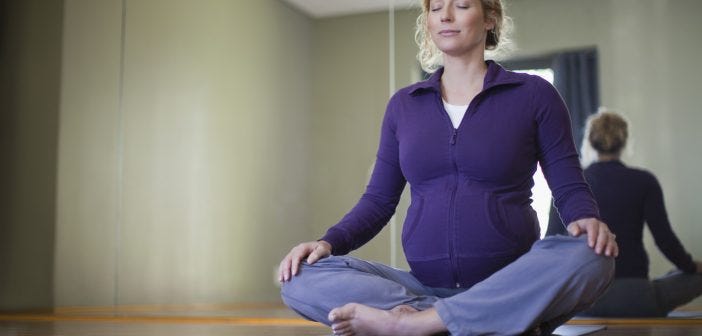
Why Prenatal Yoga Is Valuable for Expectant Mothers
Prenatal yoga offers a powerful blend of exercise, breathwork, and mindfulness specifically tailored to the changes and challenges of pregnancy. Here’s why many health experts and studies recommend it:
- Low-impact movement: It’s gentler than many forms of exercise, making it safe and practical for most pregnant women.
- Stress and anxiety reduction: Through mindful breathing and relaxation, yoga can calm the nervous system and lower cortisol levels.
- Better sleep: Regular prenatal yoga has been linked to improved sleep quality, helping ease insomnia and nighttime discomfort.
- Improved physical comfort: It helps relieve back and hip pain, reduces swelling, and gently strengthens the muscles that support your changing body.
- Labor readiness: Yoga teaches controlled breathing, pelvic awareness, and relaxation techniques that can support you during labor.
- Social and emotional support: Prenatal yoga classes provide community, connection with other expectant mothers, and a space to share experiences.
- Healthier birth outcomes: Research has found that yoga during pregnancy may reduce caesarean rates and lower labor pain.
Major Advantages of Prenatal Yoga — In Detail
1. Physical Strength & Flexibility
- Prenatal yoga helps keep muscles strong — especially lower back, hips, and legs — which supports and balances your growing body.
- Gentle stretching improves flexibility, easing stiffness and preparing your body for the physical demands of labor.
- Improved circulation from yoga can help reduce swelling in your feet and legs, a common pregnancy discomfort.
2. Pain Relief & Discomfort Reduction
- Many pregnant women experience lower back pain, pelvic tension, and sciatica; prenatal yoga poses (like Cat-Cow or supported hip openers) help ease these.
- Consistent practice may also reduce headaches, nausea, and other physical stressors.
3. Stress Management, Mental Clarity & Emotional Stability
- Breathing and meditation segments in yoga can significantly lower stress and anxiety.
- Prenatal yoga helps develop self-awareness and mindfulness, letting you navigate emotional ups and downs more smoothly.
- As you learn to focus and relax, yoga can boost your confidence and mental resilience — valuable during pregnancy and childbirth.
4. Better Sleep Quality
- Practicing yoga helps regulate your nervous system and relaxes your muscles, making it easier to fall asleep and stay asleep.
- Relaxing postures and breathwork before bed can help calm your mind and prepare your body for restful sleep.
5. Preparation for Labor & Childbirth
- Learning breath control and pelvic awareness improves your ability to cope with labor pain and the pushing phase.
- Yoga can help relax the pelvic floor while strengthening it, making labor more efficient and potentially reducing the risk of interventions.
- Some studies suggest yoga may reduce the need for epidural analgesia, though always discuss birth pain management options with your provider.
6. Reduced Risk of Pregnancy Complications
- Yoga’s calming effects may help manage blood pressure and reduce the risk of hypertension-related complications.
- Emotional stress is linked to negative pregnancy outcomes; yoga helps mitigate that by promoting relaxation and mental balance.
7. Enhanced Connection with Baby
- Prenatal yoga often includes visualization or guided relaxation, providing a moment for you to bond with your growing baby.
- This mindful bonding supports a deeper sense of presence and connection during pregnancy.
8. Community & Support
- Taking a prenatal yoga class lets you meet other expectant mothers, which can create emotional support and shared understanding.
- Such a supportive environment helps reduce isolation, especially in later pregnancy, and can contribute positively to your mental well-being.
Safety Guidelines & Tips for Practicing Prenatal Yoga
- Consult your healthcare provider before starting yoga, especially if you haven’t practiced before or have pregnancy complications.
- Use a certified prenatal yoga instructor — they understand which poses to modify or avoid.
- Avoid risky yoga styles: skip hot yoga, deep twisting, or poses that press on your abdomen.
- Modify poses based on your trimester:
- First trimester: Focus on gentle movements and avoid overheating.
- Second trimester: Use props (blocks, bolsters), avoid deep backbends or balancing too aggressively.
- Third trimester: Practice restorative and hip-opening postures; avoid lying flat on your back.
- Practice breathing techniques (like Ujjayi or slow diaphragmatic breathing) to regulate emotions and labor preparation.
- Stay hydrated, use a cool room, and listen to your body — don’t push beyond comfort.
Recommended Prenatal Yoga Poses
Here are some gentle, pregnancy-safe yoga poses commonly used in prenatal classes:
- Cat-Cow Stretch (Marjaryasana-Bitilasana): Opens the back, relieves spinal tension.
- Child’s Pose (Balasana): A restful posture that calms the mind and hips.
- Butterfly Pose (Baddha Konasana): Opens the hips and promotes circulation.
- Legs-Up-the-Wall (Viparita Karani): Reduces swelling and calms the nervous system.
- Pelvic tilts / gentle hip openers: Help strengthen the pelvic floor and support lower back.
Final Thoughts
The advantages of yoga for pregnant women are profound: it supports both physical comfort and emotional balance while preparing the body for labor. From reducing stress and improving sleep to strengthening muscles and building community, prenatal yoga offers holistic benefits for expecting mothers. While it’s generally safe, it’s crucial to practice under proper guidance, modify poses for your stage of pregnancy, and always consult your healthcare provider before beginning.