If you’re struggling with recurrent itchy rashes, redness, or contact dermatitis, understanding the top 5 triggers for skin allergy can help you take action. These triggers — found in everyday items like jewelry, beauty products, laundry detergents, and even plants — are common yet often overlooked. By pinpointing what causes your skin to flare up, you can reduce exposure and better manage allergic reactions.
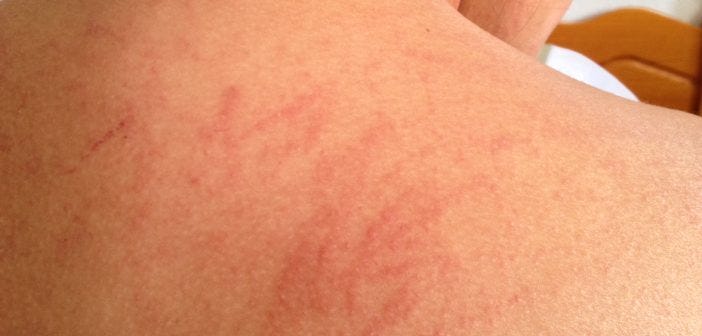
Why Skin Allergies Happen
Skin allergies (especially allergic contact dermatitis) occur when your immune system reacts to a substance (allergen) that comes in contact with your skin. Over time, repeated exposure can sensitize your skin, meaning even small amounts of the allergen can trigger a reaction.
Triggers may not always be obvious — they can be in cosmetics, clothes, metals, or cleaning products. Once sensitized, your skin might react hours or days after exposure.
The Top 5 Triggers for Skin Allergy
Here are the most common skin allergy triggers, what makes them problematic, and how to watch out for them:
1. Metals (e.g., Nickel, Cobalt)
- Why it triggers: Metals like nickel and cobalt are among the most common allergens.
- Where you encounter them: Jewelry, belt buckles, watch straps, keys, zippers.
- How to avoid: Use jewelry made from “hypoallergenic” materials like surgical-grade stainless steel, gold, or titanium. If you suspect nickel, try eliminating metal contact and see if the rash clears.
2. Fragrances & Preservatives in Cosmetics
- Why it triggers: Fragrance ingredients (in perfumes, lotions, soaps) and preservatives (like parabens or methylisothiazolinone) are very common allergens.
- Where you encounter them: Shampoos, makeup, sunscreens, detergents.
- How to avoid: Choose products labeled fragrance-free or unscented (be careful: “unscented” doesn’t always mean no fragrance). Try patch-testing new products before using them widely.
3. Harsh Cleaning Agents & Irritant Chemicals
- Why it triggers: Soaps, detergents, bleach, solvents, and other strong chemicals can disrupt your skin’s protective barrier, leading to irritation or allergic reactions.
- Where you encounter them: Household cleaners, industrial products, cleaning sprays, even water (if exposed repeatedly).
- How to avoid: Wear gloves when handling cleaning agents. Use milder, fragrance-free detergents and soaps. Rinse and moisturize your skin after exposure.
4. Plants Containing Allergenic Oils (e.g., Urushiol)
- Why it triggers: Certain plants, like poison ivy, poison oak, mango skin, and cashew shells, contain urushiol, a potent allergenic compound.
- Where you encounter them: Hiking areas, gardening, handling fruits like mango, or even lacquered furniture (some wood contains similar compounds).
- How to avoid: Learn to identify these plants. Wear long sleeves and gloves while gardening. Wash skin immediately if exposed.
5. Fabrics, Rubber, & Adhesives
- Why it triggers: Textiles (especially synthetic or heavily dyed fabrics), latex and rubber products, glues, and adhesives can irritate or sensitize skin.
- Where you encounter them: Shoes, clothing, elastic on garments, latex gloves, tape or medical adhesives.
- How to avoid: Opt for clothing made from natural fibers like cotton. Wash new clothes before wearing (to remove residual dyes). Use hypoallergenic or latex-free alternatives for gloves.
Bonus Trigger: Environmental & Airborne Factors
- Airborne allergens: Pollen, dust mites, and airborne chemicals (sprays, perfumes) can land on the skin and trigger reactions.
- Temperature & humidity: Extreme cold, dry air, or sweating can irritate skin and make it more reactive.
- Photo-allergens: Some substances may trigger a reaction only when exposed to sunlight, such as certain sunscreen chemicals or fragrances.
Tips to Manage & Prevent Skin Allergy Flares
- Patch test all new skincare or cosmetic products on a small skin area before full use.
- Read labels carefully: Look for “fragrance-free,” “hypoallergenic,” or “nickel-free” when selecting products or jewelry.
- Use gloves and protective gear when cleaning, gardening, or handling potential allergens.
- Maintain skin barrier: Use gentle, non-stripping cleansers and apply a moisturizer regularly to protect your skin.
- Track flare-ups: Keep a diary of when your skin reacts and what you came in contact with — this helps identify patterns and triggers.
- Seek medical help: If you experience persistent or severe allergic rashes, consider patch testing by a dermatologist.
Final Thoughts
Understanding the top 5 triggers for skin allergy — metals, cosmetics, irritants, plants, and fabrics — empowers you to take control of your skin health. By avoiding or minimizing these triggers and adopting protective habits, you can reduce flare-ups and enjoy smoother, calmer skin. If symptoms persist or worsen, consult a dermatologist for testing and personalized management.