White patches on the skin can be concerning, but remedies for white patches on skin exist that are natural, gentle, and often rooted in traditional medicine. These patches can result from conditions such as vitiligo or other causes of depigmentation. While they may not always fully reverse, using home-based treatments and supportive lifestyle changes may help minimize their appearance, boost pigmentation, and support skin health. This guide provides detailed, research- and tradition-backed strategies you can try — though you should always consult a dermatologist before starting any treatment.
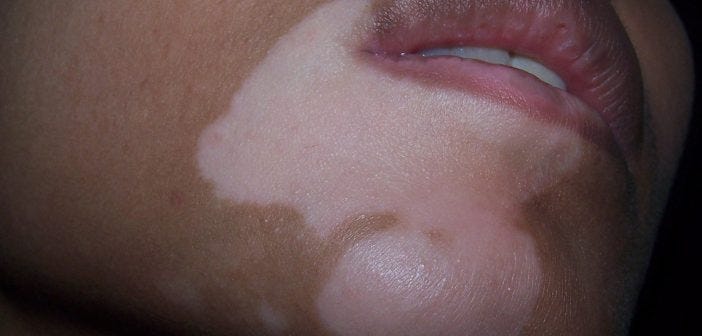
Why White Patches Appear
White skin patches most commonly occur due to loss of pigmentation (melanin) in certain areas. Conditions like vitiligo are autoimmune in nature, where melanocytes (pigment-producing cells) are damaged or destroyed. ([turn0search2]) Other skin changes may arise from fungal infections, inflammation, or even nutritional and oxidative stress factors.
Natural remedies aim to:
- Stimulate melanin production
- Reduce oxidative stress on the skin
- Support immune function
- Provide skin-nourishing and anti-inflammatory effects
Top Natural Remedies to Address White Patches
Here are some of the most recommended and studied remedies for white patches on skin, along with how to use them:
1. Babchi (Psoralea corylifolia)
- Why it helps: Babchi contains psoralen compounds, which support repigmentation by stimulating melanocytes. ([turn0search0])
- How to use: Soak babchi seeds in fresh ginger juice for 2–3 days; then grind them into a fine powder. Use this powder mixed with a little oil as a topical application on depigmented patches. Some apply babchi oil directly and expose the area briefly to gentle sunlight (start with short duration). ([turn0search0])
- Precautions: Psoralen can make skin more sensitive to the sun. Always do a patch test first, and avoid prolonged direct sun exposure.
2. Ginkgo Biloba
- Why it helps: Ginkgo biloba has antioxidant and immune-modulating properties that may slow the progression of white patches and help repigmentation. ([turn0search2])
- How to use: Take ginkgo biloba extract (after consulting your healthcare provider) according to recommended dosage; it should be part of a broader treatment plan. ([turn0search2])
3. Red Clay + Ginger Juice
- Why it helps: Red clay is naturally rich in copper, a mineral important for melanin production; ginger enhances circulation. ([turn0search8])
- How to use: Mix red clay with freshly extracted ginger juice to form a paste. Apply this paste to the affected white areas, leave it on for 20–30 minutes, and then wash off gently. Repeat this 2–3 times per week. ([turn0search8])
4. Radish Seed Paste + Apple Cider Vinegar
- Why it helps: Radish seeds contain bioactive compounds that may stimulate pigmentation, and apple cider vinegar supports skin health. ([turn0search8])
- How to use: Grind radish seeds into a fine powder. Mix with 2–3 tablespoons of apple cider vinegar to make a paste. Apply it to the white patches, leave it on for 20–30 minutes, then wash off. Use this 2–3 times weekly. ([turn0search8])
5. Turmeric + Mustard Oil
- Why it helps: Turmeric’s curcumin has strong antioxidant properties, and mustard oil helps deliver it into the skin. ([turn0search19])
- How to use: Combine about 5 tablespoons of turmeric powder with ~250 ml mustard oil. Mix well and apply the warm (not hot) oil to white patches twice daily. According to traditional sources, consistency over months is needed for noticeable effects. ([turn0search19])
6. Basil (Tulsi) + Lemon Juice
- Why it helps: Basil leaves are anti-viral and may promote melanin, while lemon boosts circulation. ([turn0search7])
- How to use: Crush fresh basil leaves, mix them with lemon juice, and apply the paste to the white areas. Leave it for about 20 minutes, then wash off. Use this remedy a few times a week. ([turn0search7])
7. Papaya
- Why it helps: Papaya is believed to support repigmentation and nourish skin. ([turn0search1])
- How to use: Rub fresh papaya pulp gently on the white patches. Allow it to dry and then wash off. Additionally, drinking papaya juice may support skin pigmentation from within. ([turn0search1])
8. Walnuts
- Why it helps: Walnuts are rich in nutrients and minerals (such as copper) that support skin pigmentation. ([turn0search9])
- How to use: Eat 4–5 walnuts daily. Alternatively, make a paste of crushed walnuts and apply it to the patches for 15–20 minutes before washing off. ([turn0search6])
9. Aloe Vera
- Why it helps: Aloe vera is rich in vitamins and minerals that may support skin regeneration and repigmentation. ([turn0search6])
- How to use: Apply fresh aloe vera gel on the affected areas daily. It soothes skin, reduces inflammation, and helps maintain skin health. ([turn0search6])
10. Black Cumin (Nigella Sativa) / Cumin Oil
- Why it helps: Black cumin oil’s thymoquinone has antioxidant effects, which may reduce oxidative damage associated with pigment loss. ([turn0search8])
- How to use: Apply 1 teaspoon of black cumin seed oil on the white patches daily. Leave on for about 30 minutes, then wash off gently. ([turn0search8])
Supporting Lifestyle & Dietary Tips
- Use sunscreen daily: White patches are more sensitive to sunburn. Use broad-spectrum SPF 30+ and wear protective clothing. ([turn0search2])
- Manage stress: Stress may worsen autoimmune conditions like vitiligo. Practices like meditation, yoga, or Ayurveda can help. ([turn0search10])
- Support with diet:
- Include copper-rich foods (nuts, seeds, leafy greens) to support melanin production. ([turn0search2])
- Load up on antioxidants: Berries, leafy greens, and foods rich in vitamin C and E may help reduce oxidative stress. ([turn0search2])
- Ayurvedic support: Herbs like Brahmi, Ashwagandha, and others (“Medhya Rasayanas”) are used traditionally to support immune balance and skin health. ([turn0search10])
- Follow medical advice: These remedies may help, but they work best in combination with professional treatment like phototherapy (e.g., NB-UVB). ([turn0search2])
Important Precautions
- Always patch test any new remedy before applying it to large areas; natural doesn’t always mean non-irritating.
- Use remedies consistently — most natural treatments may take several weeks to months to show visible improvement.
- Avoid sun exposure immediately after applying psoralen-containing remedies (like babchi) without medical guidance.
- If white patches spread, change quickly, or are painful, consult a dermatologist — they may recommend phototherapy, topical treatments, or other medical options.
- If pregnant, nursing, or taking medications, talk to your healthcare provider before using herbal or supplemental remedies.
Final Thoughts
White patches on skin can feel distressing, but with natural remedies for white patches on skin, you can take supportive steps to nourish your skin, encourage repigmentation, and reduce the appearance of depigmented areas. These home-based solutions — rooted in Ayurvedic and traditional practices — work best when combined with a healthy lifestyle, sun protection, and professional guidance.