When you hear “tinted moisturizer,” you might think it’s just makeup. But the truth is — facts about tinted moisturizer show it’s much more than that. It’s a hybrid product that hydrates, blurs imperfections, and, in many cases, even protects your skin. Whether you’re looking for an all-in-one morning staple or a lightweight alternative to foundation, knowing what makes tinted moisturizers special can help you decide if it’s right for your routine.
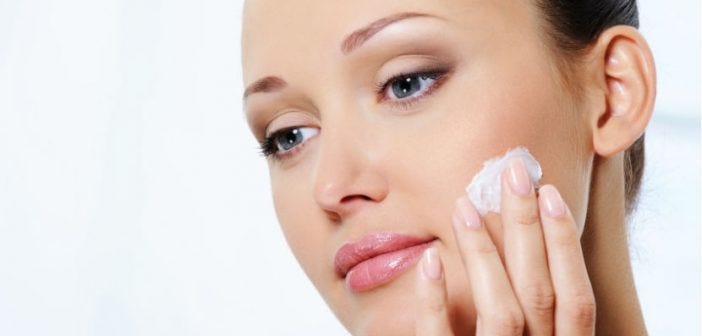
What Is a Tinted Moisturizer?
- Hybrid Formula: A tinted moisturizer combines the hydration of a regular moisturizer with a sheer pigment that evens out skin tone.
- Lightweight Coverage: Unlike full-coverage foundation, its texture is thinner and more breathable, making it feel more like skincare than makeup.
- Multitasking: Many formulas also include SPF, protective antioxidants, or oil-regulating ingredients, making them a convenient “3-in-1” product.
Key Benefits of Tinted Moisturizer
- Hydration + Comfort
Tinted moisturizers often include humectants like hyaluronic acid or glycerin, which help keep the skin moisturized without feeling heavy. - Natural, “Your Skin But Better” Look
Because of the sheer pigmentation, it subtly evens out skin tone without masking your natural texture. - Built-In Sun Protection
Many variants come with SPF (typically between 15–30), giving you some UV protection while simplifying your morning skincare routine. - Saves Time
Since it combines moisturizer, light coverage, and sometimes sunscreen, it’s a time-saver for people who want a quick, streamlined look. - Skin-Friendly Ingredients
Many formulas today are non-comedogenic (won’t clog pores) and include skin-loving actives like niacinamide, salicylic acid, or plant oils.
Potential Drawbacks to Be Aware Of
- Limited Coverage: If you need to hide heavy blemishes or strong pigmentation, tinted moisturizers may not be enough.
- SPF Might Not Be Enough: The sunscreen in some tinted moisturizers is not strong enough for prolonged sun exposure.
- Shade Oxidation: Some users report that the tint darkens or changes shade during the day due to skin oils. > “Most of the time … makeup combines with the oils in your skin causing the shade … to change.”
- Drying Risk: If applied over a dry base or too little product is used, some formulas can feel drying, especially on sensitive skin.
- Ingredient Concerns: Some tinted moisturizers contain potential irritants like synthetic fragrance, alcohol, or mineral oil.
How to Choose the Right Tinted Moisturizer
- Match It to Your Skin Type
- Dry Skin: Look for hydrating ingredients like squalane, hyaluronic acid.
- Oily or Acne-Prone Skin: Choose a non-comedogenic formula with niacinamide or salicylic acid.
- Sensitive Skin: Opt for fragrance-free and alcohol-free formulations.
- Check the Tint and Finish
Decide whether you want a dewy glow or a more matte finish, and pick a shade that blends seamlessly into your skin. - Evaluate the SPF
If the tinted moisturizer has SPF, remember it’s likely not enough alone for long sun exposure; you may still need a dedicated sunscreen. - Do a Patch Test
Because it’s part skincare, part makeup, test it on a small area to ensure compatibility with your skin.
How to Use Tinted Moisturizer Effectively
- Apply after your basic skincare routine — moisturizer, serum, etc. Alternatively, use it instead of your regular moisturizer if it’s richly hydrating.
- Use your fingers, a sponge, or a brush to blend the formula into your skin for a natural finish.
- Use consolers only where needed — the coverage is light, so you may want to lightly conceal spots.
- Reapply sunscreen or use a powder with SPF during the day if you’re relying on it for sun protection.
Real-World User Insights & Tips
- Some users feel tinted moisturizers aren’t enough if used alone; they recommend applying a separate moisturizer first for better hydration. > “Tinted moisturizer really shouldn’t be used as a moisturizer … use my regular moisturizer and then the tinted.”
- Others suggest skipping primer altogether: > “Skip the primer … creams … need to be applied topically … Primer creates a barrier … keeping the products from doing what they are supposed to do.”
- Be aware of oxidation: > “Some of the pigments … will oxidize and turn red … making you look darker or more orange.”
Recommended Tinted Moisturizers to Try
Here are a few well-reviewed products that reflect the versatility of tinted moisturizers:
- Lakmé 9 to 5 Complexion Care Cream — Drugstore favorite with light coverage and a moisturizing base.
- House Of Makeup Luminous Skin Tint — Lightweight and hydrating, great for daily “no-makeup” makeup.
- Party Perfect All‑in‑One Tinted Moisturizer — All-rounder formula ideal for simplifying your routine.
- My Glow All‑In‑One Tinted Moisturizer SPF 30 — Hydration + SPF, a good pick if you want both in one step.
- Peaches N Cream Tinted Moisturizer Mini — Compact size, perfect to keep in your bag for touch-ups.
Final Thoughts
Facts about tinted moisturizer show it’s more than just makeup: it’s a clever hybrid that hydrates, subtly covers, and sometimes protects from the sun. But it’s not one-size-fits-all — the right tinted moisturizer depends on your skin type, how much coverage you need, and whether the SPF in it is enough for your daily sun exposure.
If you’re looking to simplify your makeup routine without sacrificing skincare benefits, a tinted moisturizer can be a smart, multitasking choice. Just be mindful of its limitations, and you’re likely to enjoy a fresh, natural look with fewer products.