Getting makeup right on dark skin isn’t just about “making it darker” — it’s about enhancing and celebrating rich, melanin-rich tones. The right makeup look begins with understanding undertones, selecting products that bring out your natural radiance, and using techniques tailored specifically for deeper skin. These makeup tips for dark skin will help you choose and apply makeup confidently, so your final look is flawless, glowing, and truly you.
1. Start with the Right Base: Shade & Undertone Matter
Understand Your Undertone
Your undertone — not just how dark your skin is — plays a major role in picking makeup that flatters you. Undertones can be warm, cool, or neutral.
- Warm undertone: skin has gold/yellow hues; your veins may look green.
- Cool undertone: pink, blue, or red tones; veins appear blue-purple.
- Neutral: a balanced mix; you may find both warm and cool tones work.
Pick Your Foundation Correctly
- Always test your foundation on your jawline or neck, not your hand.
- Try 2-3 shades in one go and check in natural light to make sure it truly matches.
- For very deep or rich tones, don’t hesitate to go slightly deeper in shade — a too-light foundation can make your skin look ashy.
- If you can’t find an exact match, mix two shades to create a custom tone.
- Be mindful of oxidation: some foundations darken after application.
2. Concealing & Color Correction
Neutralize Dark Circles & Hyperpigmentation
- Use a peach or orange color corrector to cancel out blue or purple under-eye darkness.
- Pick a concealer that’s 1–2 shades lighter than your foundation to brighten (but don’t go too light).
- Use a damp beauty sponge or brush to blend concealer in thin layers, avoiding heavy rubbing.
3. Set & Extend Your Base
Use the Right Setting Powder
- Choose a tinted powder that complements your skin tone rather than a stark translucent one, which can appear ghostly.
- Apply sparingly in areas prone to shine (like the T-zone). A light hand prevents makeup from looking cakey.
- If you like the “baking” technique: use powder under the eyes, on the forehead, and along the jaw. Let it set, then dust off — this helps with longevity and reduces creasing.
4. Add Color & Dimension
Blush
- For dark skin, richly pigmented blushes work best. Try plums, berries, burnt corals, and brick reds.
- Cream or liquid blushes are especially flattering on deeper tones — they melt into the skin beautifully.
Contour & Bronze
- Opt for matte contour or bronzing shades that are warm and deep, not overly gray or cool.
- Contour along your cheek hollows, temples, and jaw, blending well to avoid harsh lines.
Highlighter
- Choose gold, bronze, or copper highlighters to enhance your glow — avoid silver or icy tones, which can look ashy.
- Apply on areas where light naturally hits: cheekbones, bridge of the nose, brow bone.
5. Eyes & Lips: Smart Choices
Eye Makeup Tips
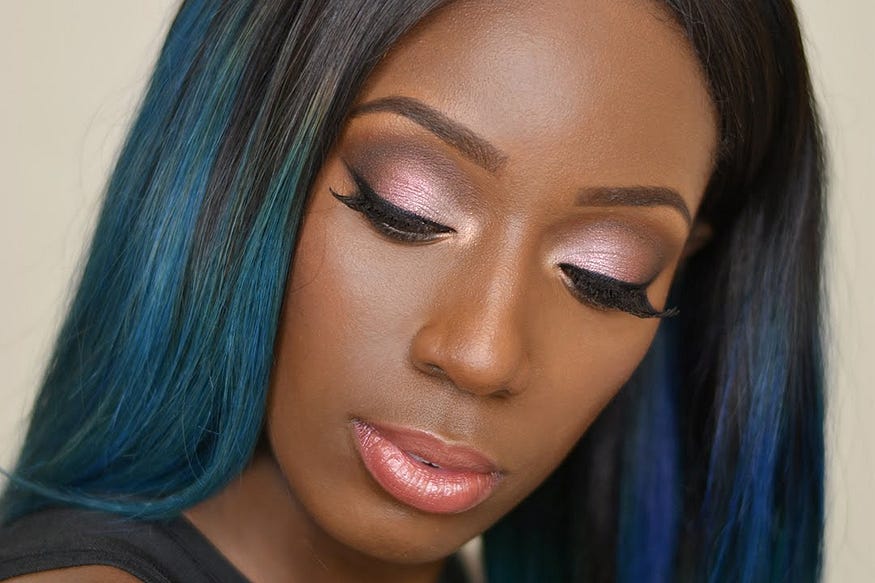
- On dark skin, deep eyeshadows like rich browns, plums, violets, and jewel tones look particularly stunning and vibrant.
- If wearing eyeliner, warm or black-toned liners can define without looking harsh.
Lip Shades That Pop
- For lips, go for rich berry, deep red, brick, plum, or bronze shades — these complement dark skin beautifully.
- Nude lipsticks are great, but make sure they match your undertone; too pale or ashy nudes can wash you out.
6. Make Your Makeup Last
- Prep your skin: Cleanse, moisturize, and prime — a smooth base helps makeup stay put.
- Use a mattifying or oil-control primer if you tend to get shiny.
- Blend foundation down onto your neck and ears to avoid visible lines.
- Check your makeup in natural light during the day to catch any oxidation or fading.
7. Common Mistakes to Avoid
- Choosing the wrong undertone for your foundation — this can make your skin look gray, orange, or ashy.
- Using very pale or white-based makeup — these often do not flatter deep complexions.
- Skipping sunscreen or primer, which help your makeup stay smoother and more even.
- Not blending the edges — especially around the neck and jaw — can lead to an unnatural look.
Final Thoughts
Makeup Tips for Dark Skin don’t have to be complicated. Focus on the basics: pick your right undertone, use products that enhance — not mask — your natural richness, and blend thoughtfully. With the right techniques, you can create a look that’s radiant, seamless, and beautifully YOU.