If you’re looking for a natural and holistic way to support hair growth, combining mindful movement with self-care can make a big difference. Practicing specific yoga postures for quick hair growth helps improve blood flow to the scalp, reduces stress (a common trigger of hair loss), and supports hormonal and digestive health — all important for nourishing hair from within. Incorporate these postures into your regular routine to enhance the environment for healthy, stronger hair.
Why Yoga Helps Hair Growth — The Science Behind It
- Improved scalp circulation: Many yoga poses invert your body (or lower the head below the heart), which helps send nutrient-rich blood and oxygen to hair follicles. Regular blood flow supports follicle health and may encourage growth.
- Stress reduction & hormonal balance: Yoga and pranayama (breathing exercises) help calm the nervous system and reduce stress — chronic stress is a major cause of hair shedding and thinning.
- Better digestion and nutrient absorption: Some poses support healthy digestion — improving nutrient uptake, which means your hair follicles get the vitamins/minerals they need.
- Relaxation of neck & shoulder tension: Tight muscles around neck/shoulders can restrict blood flow. Yoga helps relieve this tension, indirectly supporting scalp health.
- Holistic body-mind wellness: Healthy hair depends on overall wellness — balanced hormones, good sleep, healthy circulation — all positively influenced by yoga.
Recommended Yoga Poses for Hair Growth
Here are some of the best yoga asanas to include if your goal is to support hair growth naturally. Do them regularly (3–5 times a week) with proper breathing, and pair with a healthy diet and self-care for best results.
1. Downward‑Facing Dog (Adho Mukha Svanasana)
- How to do: Start on hands and knees. Tuck toes under, lift hips up and back to form an inverted “V” shape. Keep heels slightly down, arms shoulder-width apart, and let head hang relaxed between arms.
- Why it helps: This inversion sends more blood to the scalp, supplying oxygen and nutrients to hair follicles. It also stretches spine, neck, shoulders — relieving tension that can hamper circulation.
2. Standing Forward Bend (Uttanasana)
- How to do: Stand straight with feet hip-width apart. Bend forward at hips, letting upper body hang, head dangling towards floor; knees can be slightly bent if needed.
- Why it helps: Gravity helps blood flow towards the head, enhancing scalp nourishment. It also calms the nervous system and reduces stress — beneficial since stress can trigger hair loss.
3. Shoulder Stand (Sarvangasana) (or with caution if you have neck issues)
- How to do: Lie on back, lift legs and hips upward, supporting lower back with hands. Keep body in a straight line, legs extended upward.
- Why it helps: This inversion increases blood supply to scalp and may support endocrine (hormonal) balance — optimal hormone balance is often important for healthy hair growth.
4. Headstand (Sirsasana) (only for those comfortable and with proper guidance)
- How to do: Use forearms + head base on mat, lift hips up, then legs vertically overhead. Beginners may practice near a wall.
- Why it helps: Considered the “king” of asanas for hair growth — strong blood, oxygen, and nutrient flow to the scalp boosts follicle nourishment.
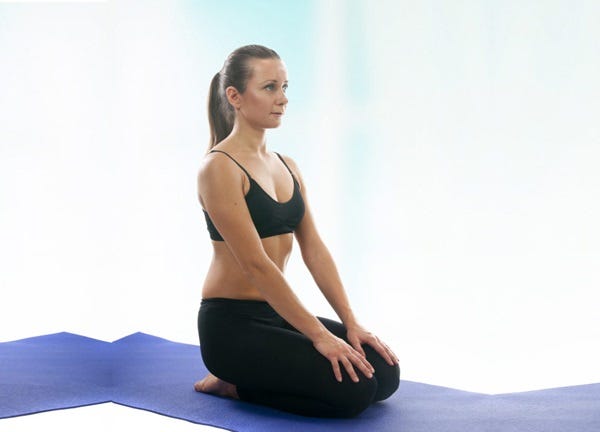
5. Vajrasana (Thunderbolt Pose) (post-meal or digestion-focused)
- How to do: Kneel and sit back on your heels, back straight, hands on thighs, eyes closed, breathing steadily.
- Why it helps: Improves digestion and nutrient absorption — healthy digestion ensures that hair follicles receive essential nutrients (vitamins, minerals, proteins). Good internal nourishment reflects in hair health.
6. Child’s Pose (Balasana)
- How to do: Kneel on mat, sit on heels, stretch arms forward and lower forehead to floor, relax whole body.
- Why it helps: Great stress-relieving and relaxing pose; calming the mind helps reduce stress-related hair shedding and improves scalp health.
7. Breathing & Relaxation Techniques (Pranayama / Meditation)
Practices like deep breathing, alternate-nostril breathing, or simple meditation help manage stress and balance the nervous system — both important for hormonal balance and hair health.
How to Practice Yoga for Best Results (for Hair Health)
- Frequency & Consistency: Try 3–5 times a week; consistency matters more than occasional sessions.
- Gentle approach: Always warm up; don’t rush inversions — start slowly, especially for exercises like headstand or shoulder stand.
- Combine with healthy lifestyle: Balanced diet (proteins, vitamins, minerals), good hydration, adequate sleep — yoga supports hair growth, but nutrition & rest are essential too.
- Manage stress: Use yoga not just as physical exercise but as stress-relief & relaxation tool — mental wellbeing supports healthy hair.
- Avoid overdoing: If you have neck, spine, or blood-pressure issues — choose gentler poses (like Vajrasana, Child’s Pose, Downward Dog) and skip intensive inversions.
What Yoga Can – and Cannot Do for Hair
✅ Can Help
- Improve scalp circulation & scalp health
- Reduce stress / anxiety — common factors in hair loss
- Aid nutrient delivery (when combined with good diet)
- Support internal balance (digestion, hormones) that reflects on hair
⚠️ Cannot Guarantee
- Instant regrowth in cases of genetic hair loss or advanced baldness
- Replace external care (clean scalp, gentle hair treatment, proper nutrition)
Yoga is a supportive lifestyle habit, not a miracle cure. Results depend on multiple factors — genetics, diet, overall health, hair care habits, and consistency.
Conclusion
If you want to naturally support hair growth, practice of yoga postures for quick hair growth — done consistently — can be a gentle, holistic, and effective part of your hair-care routine. Combined with proper diet, stress management, and scalp care, yoga helps create a healthy internal environment for hair follicles.
Think of yoga as nutrition for your hair from inside out — not a quick fix, but a sustainable, body-friendly approach that benefits not just hair, but your overall health and wellbeing.