Boils on the inner thigh can be painful, irritating and embarrassing — often causing discomfort while walking or sitting. But with a few easy home remedies for boils on inner thigh, you can often calm the pain, fight the infection and help your skin heal naturally without harsh chemicals. This guide shows you which remedies work well, how to use them correctly, and what precautions to take — so you can get relief and avoid worsening the condition.
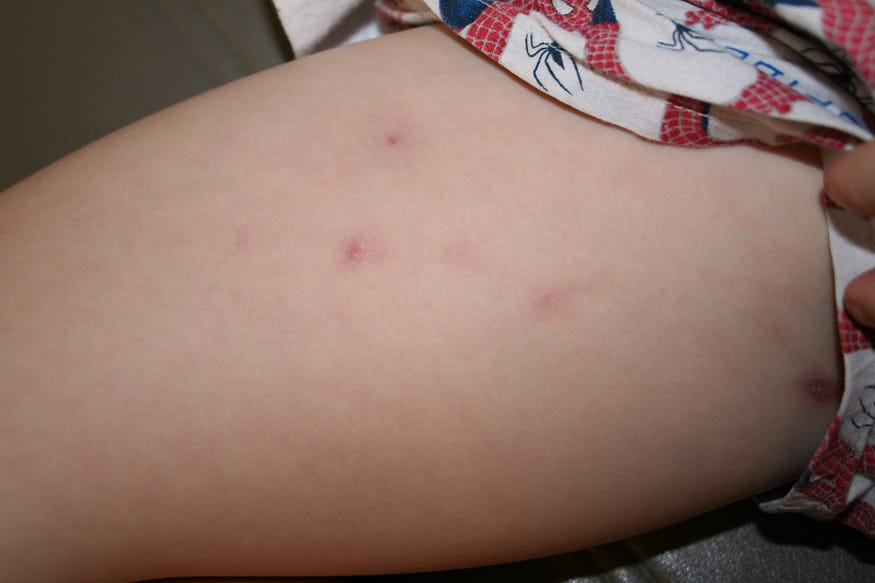
🔎 Why Boils Happen on Inner Thigh
Boils are usually caused by bacterial infection of hair follicles or skin glands. Some common triggers for boils on inner thighs:
- Friction from thighs rubbing together (especially in hot/humid weather, tight clothes)
- Poor hygiene, sweat accumulation under clothes, shaving or tiny cuts that let bacteria in
- Weak immune system, skin conditions (e.g. eczema), or chronic health issues that make skin more vulnerable
- Blocked hair follicles or glands leading to infection and pus formation
Because the inner thigh is prone to friction, sweat and darkness — disinfecting, keeping dry and using gentle care becomes important to prevent and treat boils.
🩹 Easy Home Remedies for Boils on Inner Thigh
Here are several natural remedies you can try safely at home. Many are backed by dermatology sources and traditional skin-care knowledge.
1. Warm Compress — First & Most Gentle Step
Applying warmth to a boil helps increase blood flow and brings white blood cells to the area, helping fight the infection and encourage drainage.
How to use:
- Soak a clean cloth in warm water (not too hot), optionally add a pinch of Epsom salt.
- Wring out the cloth and place it gently on the boil for 10–15 minutes.
- Repeat 3–4 times a day until the pus drains and swelling reduces.
This is often the first recommended remedy — it’s simple, non-invasive, and helps the body fight infection naturally.
2. Turmeric (Haldi) Paste or Turmeric-Milk
Turmeric’s active compound — curcumin — has antibacterial and anti-inflammatory properties, which can help control infection and soothe swelling.
How to use:
- Mix 1–2 tsp turmeric powder with water (or milk/cream) to form a thick paste.
- Apply gently on the boil, leave for 20–30 minutes, then rinse. Repeat 2–3 times daily.
- Optionally, drink warm turmeric-milk to support immunity and inflammation control from within.
Note: Avoid if you have skin sensitivity or open wounds — turmeric can stain skin temporarily, and acidic/harsh mixing may irritate.
3. Natural Antiseptics — Tea Tree Oil & Neem
Both tea tree oil and neem are widely used natural remedies due to their antiseptic, antibacterial and anti-inflammatory properties. They can help fight the bacteria causing the boil and reduce swelling.
Tea Tree Oil:
- Always dilute a few drops in a carrier oil (coconut, olive, almond).
- Apply using a cotton swab on cleaned skin, 2–3 times a day until the boil shrinks.
Neem (Neem Paste or Neem Water):
- Crush fresh neem leaves into a paste (or use neem powder + water). Apply on the boil, leave 20–30 min, rinse — repeat daily.
- Alternatively, boil neem leaves in water, cool, and use that water to gently wash the affected area 2–3 times a day.
These methods may help reduce bacterial load, soothe skin, and accelerate healing.
4. Apple Cider Vinegar (ACV) — Use With Caution
ACV has antimicrobial properties and a mildly acidic pH that may help fight infection and restore skin balance. Some sources suggest diluted ACV applied carefully may help treat boils — but only if you don’t have broken skin or severe sensitivity.
How to use:
- Dilute 1 part ACV with 3–4 parts plain water.
- Using a cotton pad, apply to the boil for 5–10 minutes. Rinse immediately if there’s burning or discomfort. Repeat once daily.
⚠️ Because of acidity, ACV might irritate sensitive skin. Always patch-test first, and don’t use if skin is broken or the boil has opened.
5. Maintain Good Hygiene, Keep the Area Dry & Avoid Friction
Prevention is equally important. Since inner-thigh boils often result from friction, sweat, or blocked pores:
- Wash the area gently with mild, fragrance-free soap and warm water.
- After bathing, dry thoroughly — use a clean towel and avoid tight, damp clothes.
- Wear loose, breathable cotton clothing, especially in hot/humid climates — this reduces friction and sweat buildup.
- Avoid shaving or waxing in the area when you have a healing boil — these may irritate skin or reintroduce bacteria.
- Drink plenty of water and maintain balanced hygiene to support body’s immune response and skin recovery.
✅ When Home Remedies Are Enough — and When You Should See a Doctor
Home/natural remedies often work for small, mild boils. But you must see a doctor if you experience any of the following:
- Boil becomes very large, painful or keeps growing despite home care.
- There is fever, chills, or spreading redness around the boil (signs of deeper skin infection).
- You have repeated boils or boils in the same area — may indicate an underlying skin condition or systemic problem.
- Boil is very deep, hard, or doesn’t drain even after warm compresses — might need medical drainage or antibiotics.
- You have conditions like diabetes, immunosuppression, or other health issues — infection risk is higher.
📝 A Simple Home Care Routine — Step by Step
Here’s a practical routine you can follow if you develop a boil on your inner thigh:
- Clean gently with mild soap + lukewarm water. Pat dry.
- Apply warm compress for 10–15 min, 3 times a day.
- Use natural antiseptic (e.g. diluted tea tree oil or neem paste) once or twice daily.
- Avoid tight or synthetic clothes, friction, harsh soaps, shaving.
- Keep the area dry and clean — change clothes/towels more frequently.
- Eat balanced diet, hydrate well, and avoid excessive sweating especially during healing.
- Monitor the boil — if it doesn’t improve in 5-7 days or worsens, seek medical help.
⚠️ What to Avoid — Common Mistakes That Can Make Boils Worse
- Do not squeeze or pop a boil — this can push bacteria deeper, cause bigger infection or scars.
- Avoid harsh soaps, scrubs, chemical creams — these may irritate infected skin.
- Don’t apply undiluted essential oils or acidic substances directly — may cause burns or worsen inflammation (especially ACV, strong oils).
- Avoid repeated friction, tight clothes, or shaving until skin heals.
- Don’t ignore recurring boils — could be sign of underlying issues needing professional treatment.
Final Thoughts
If you’re looking for gentle, accessible, and safe ways to treat or relieve boils on your inner thigh — these easy home remedies provide a good starting point. Warm compresses, turmeric, neem or tea-tree oil, maintaining hygiene and moisture control can significantly speed healing and reduce discomfort — especially for small, fresh boils.
However — always listen to your body. If you notice worsening symptoms, persistent pain, repeated boils, or systemic signs (fever, chills), it’s better to consult a healthcare professional rather than rely only on home remedies.